Some people like their interiors to capture a clear moment in time — and immortalize it through a distinctive palette, curated memorabilia, and homeware choices led by feeling over mere style. But for New York-based designer Jamie McGlinchey, the founder and creative director of Now or Never Studio, no scheme can ever transcend the fleetingness of everyday life. And in many ways, that's the real beauty of design.
Active across restaurant and hospitality, retail, and residential projects, McGlinchey's work may vary in output, but a rigorous attention to the way in which nature can find its way inside appears to underpin it.
Motion, then, is integral to how McGlinchey conceives the environments we inhabit, whether subtle or manifest. Below, she argues for interiors that shy away from perfection to embrace and reflect the shape-shifting essence of what constitutes them — and life in itself — claiming that "that evolution is where the real poetry of a place emerges."
What's One Design Thought You Can't Take Your Mind Off Recently?
"It's a common mistake to treat materials as static, rather than acknowledging that they will evolve over time... In hospitality design, material honesty plays a central role in shaping how a space is experienced.
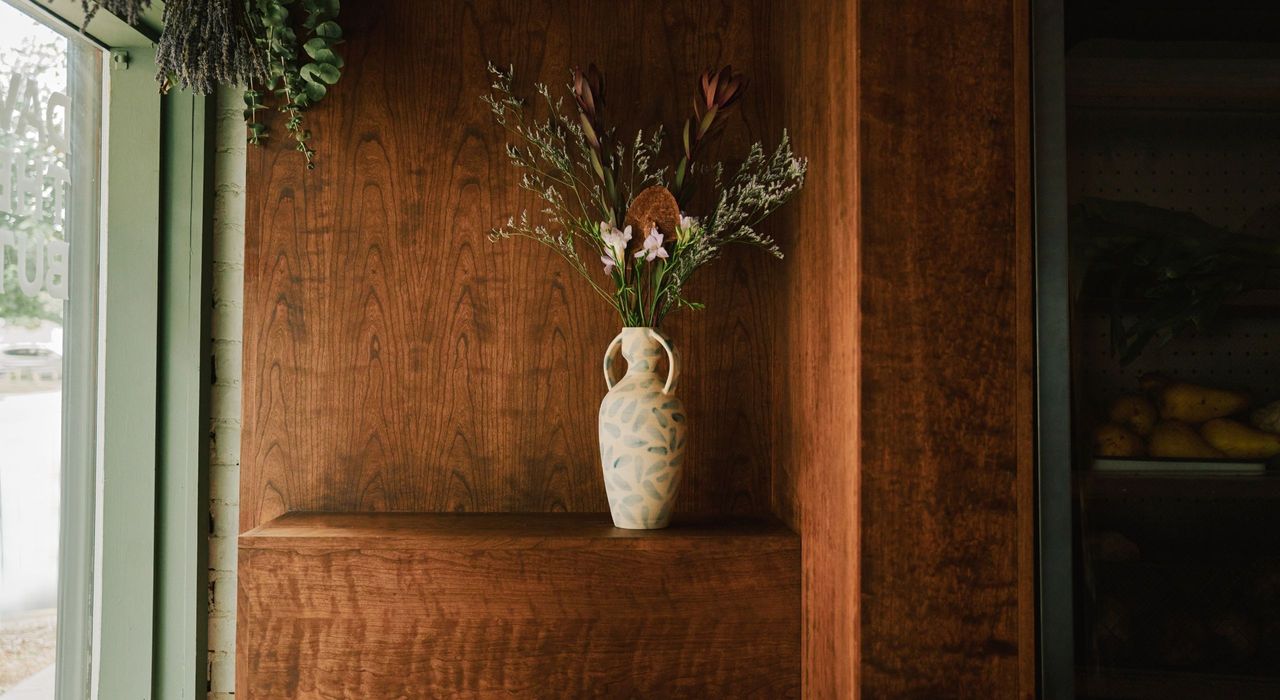
"It starts with embracing what's already there, existing wood floors, brick walls, or structural elements, and allowing those materials to remain visible and active within the design. Rather than over-refining or replacing them, the goal is to let materials behave as they're meant to, absorbing patina, softening with use, and carrying memory over time.
"In spaces centered around gathering, dining, and travel, this becomes especially important. Materials that evolve with use help create a sense of continuity and familiarity, allowing guests to feel more connected to the environment. Instead of a space that feels preserved or overly controlled, it becomes one that feels lived in, where the experience deepens with each visit."
What Do You Think Makes This Material Evolution Relevant Within Today's Interior Space?
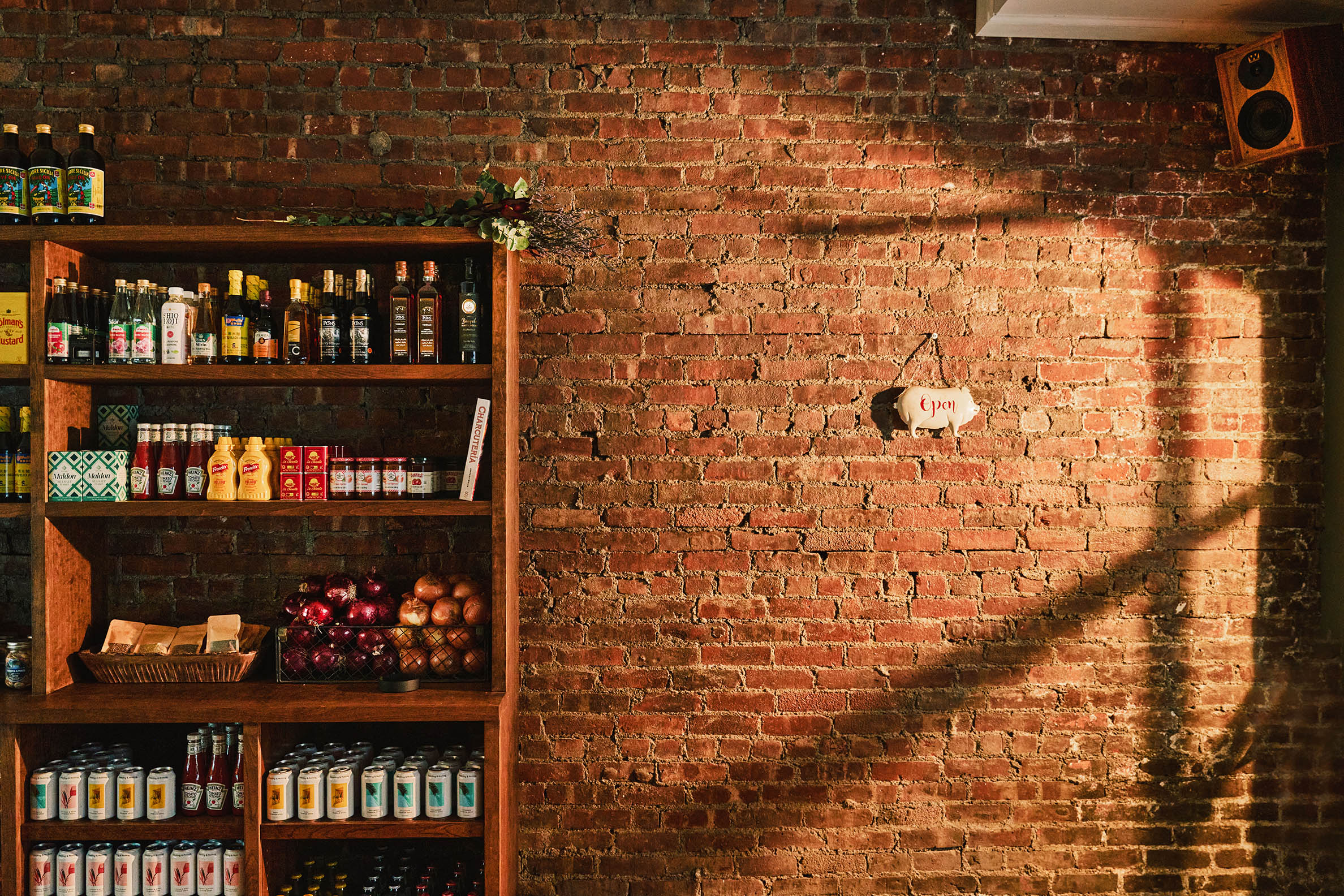
"There's a broader shift in hospitality and commercial design toward spaces that are rooted in their context, where each location responds to its surroundings through local materials and references. It's an approach that prioritizes specificity over sameness, and ultimately creates a more meaningful experience for the guest.
"At NoN, I'm interested in creating spaces that mature over time, where materials and atmosphere are drawn from place rather than imposed on it. In hospitality settings, this translates to environments that feel lived in and grounded, where guests can connect not just to the space, but to its context.
"My approach is informed by a focus on time, space, and memory, considering how an environment is experienced across moments, how it evolves, and how it holds presence. When design is rooted in that perspective, it moves beyond a fixed aesthetic and becomes something people return to and remember.
Concretely, What Does Crafting Environments Knowing They'll Change Over Time Add to Them?
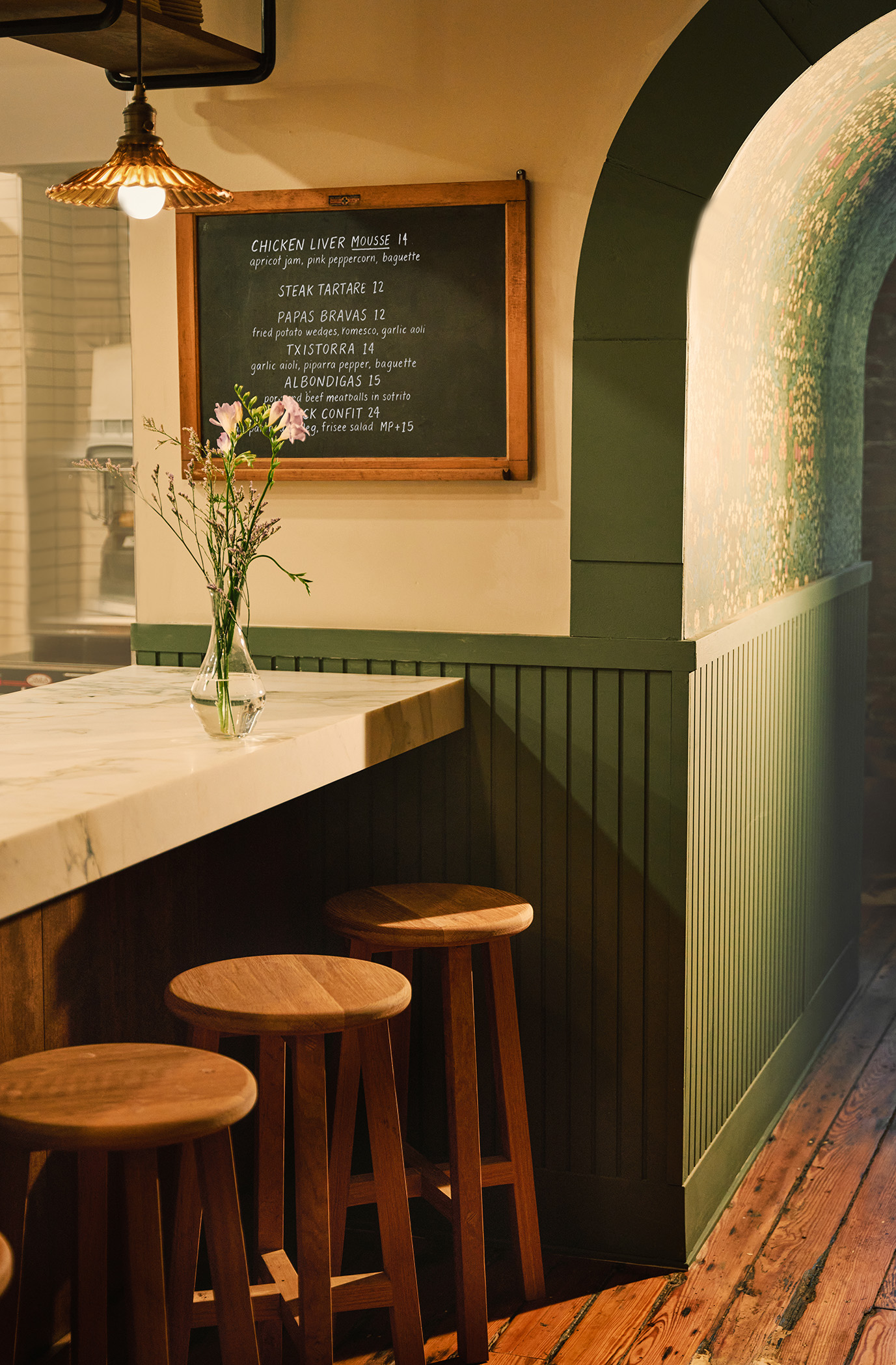
"Acknowledging that materials will change allows you to create spaces that gain depth rather than lose it. Overly pristine surfaces are becoming less compelling, particularly in hospitality. There's a growing fatigue around spaces that feel overly manicured and uniform: environments that are designed to look perfect, but don't hold up once they're actually used. In my experience, both clients and end users are increasingly drawn to spaces that feel more grounded and human.
"It's less about introducing something new, and more about re-seeing what’s already there, using materials in a way that allows them to evolve, carry memory, and are specific to the place rather than interchangeable."
Can You Speak on a Project You Completed That's Emblematic of This Approach?
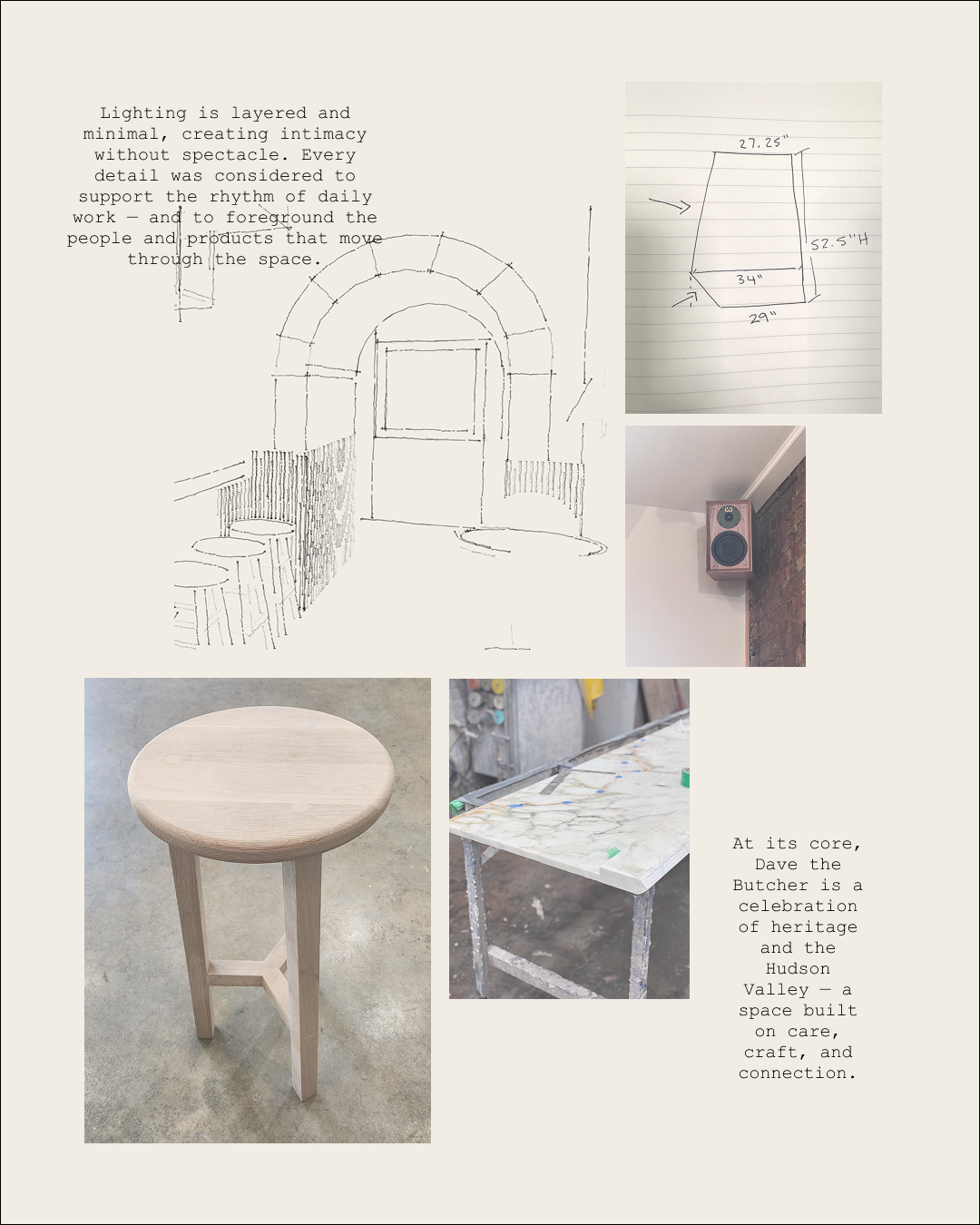
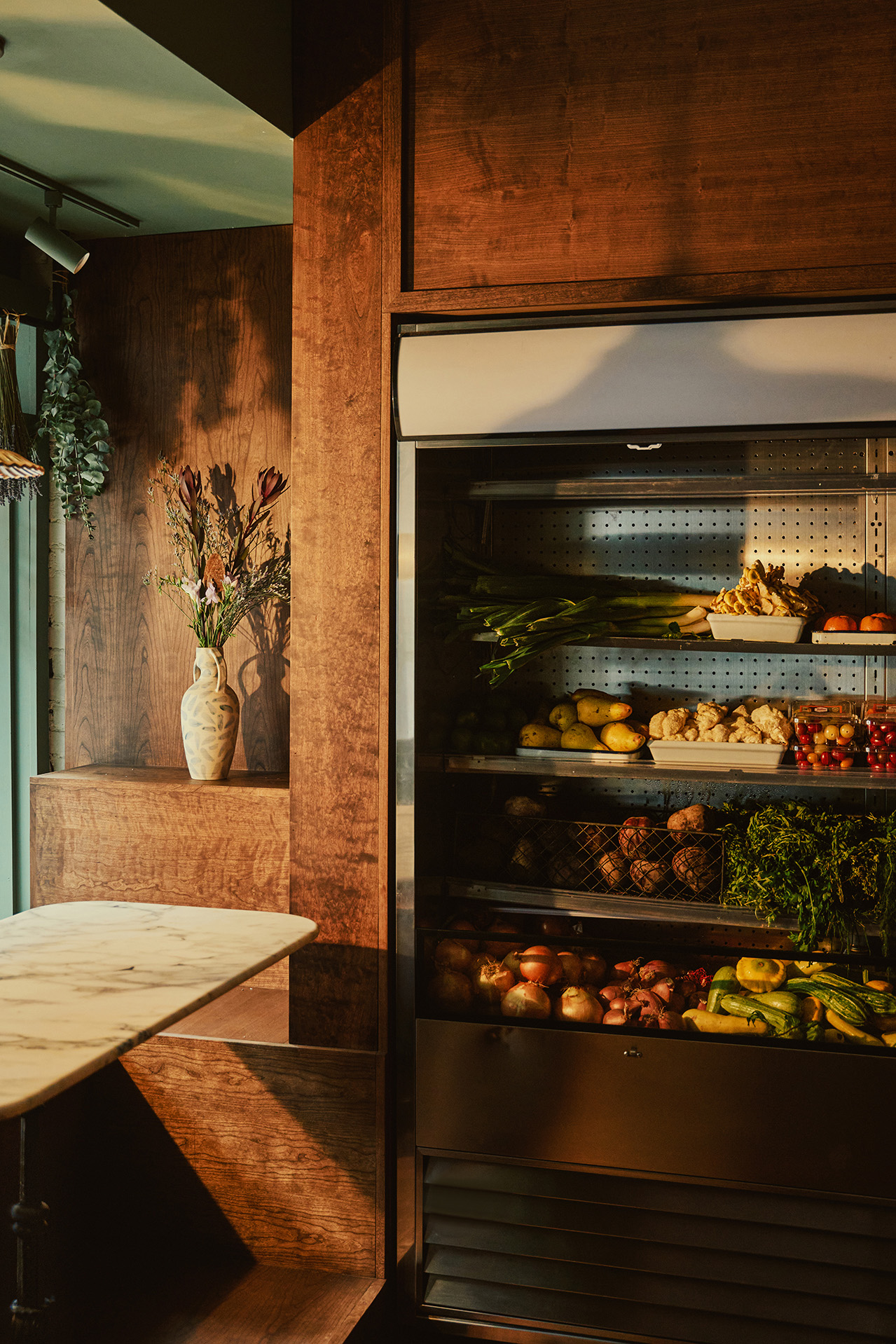
"At Dave the Butcher, a Basque-inspired whole animal butcher shop and café with dine-in experience, the chef's counter is made from Italian Breccia marble, a material that carries a sense of history and variation, reflecting a European tradition of gathering spaces, where stone surfaces were shaped by daily use and evolved constantly. We chose this stone for its character, embracing the veining, tonal shifts, and surface irregularities.
"Over time, the stone will mark use, subtle staining, wear, and interaction, becoming part of the surface. Positioned at the center of the space, where guests gather and the butchery is most active, it records the unfolding of the everyday.
"That approach allows the marble to deepen as time progresses, reinforcing the sense of craft and continuity that defines the space. At Dave the Butcher, this is especially important. The space is designed to be actively used, not preserved, with materials that respond to its rhythm and the presence of guests. As the stone keeps track of use, it becomes part of the experience, reflecting the process, the people, and the evolving life of the address."
What Do These Shape-Shifting Interiors Reveal About the Role That Design Plays in Our Lives?
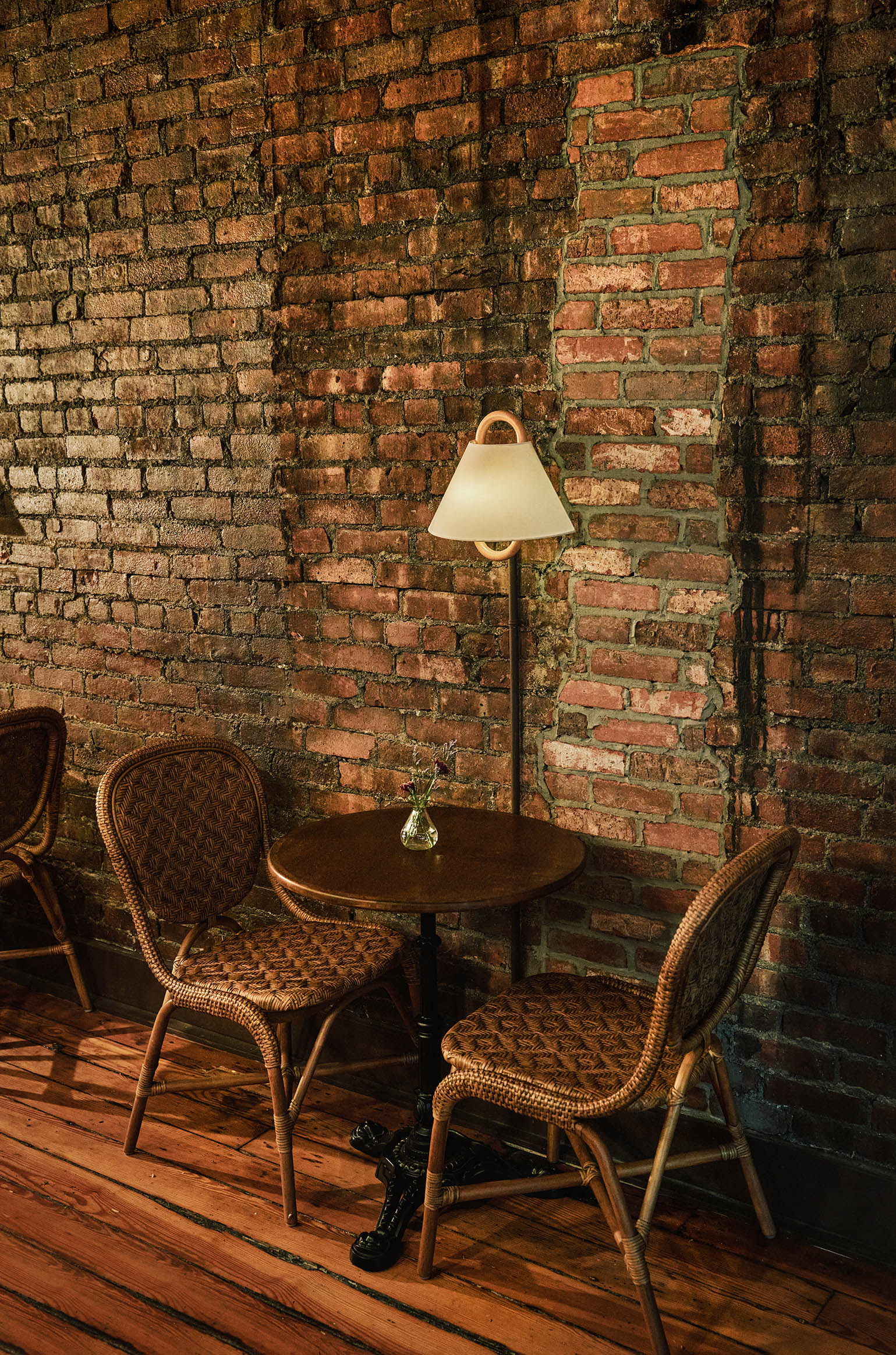
"Ultimately, they encourage us to recognize that wear, use, and change are not flaws to be corrected, but essential parts of how a space is experienced. When you design with that in mind, you allow materials to respond to daily life. That evolution brings depth and authenticity, creating environments that feel lived in rather than preserved. It's in that shift, away from perfection and toward experience, that a space becomes more meaningful and enduring."
Head to our archive of conversations with emerging designers for more hot takes on all things interiors and life. Or join our community of discerning readers by subscribing to the Livingetc newsletter, your one-stop digital directory to must-know style and travel trends and unmissable events.