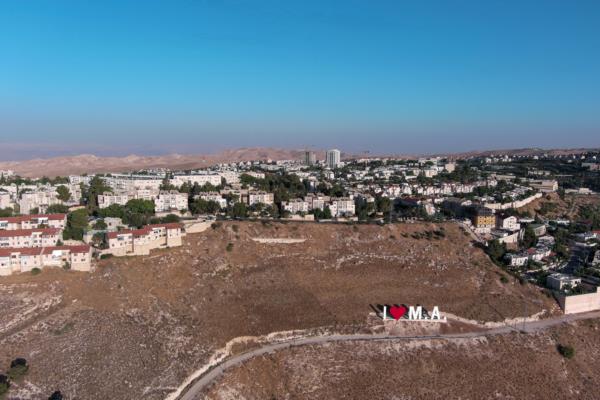
An Israeli plan to expand settlements in the West Bank has reportedly played a significant role in triggering a shift in language from the United States. The move by Israel to advance the construction of new settlements in the occupied territories has raised concerns and drawn criticism from various quarters.
The United States, a key ally of Israel, has traditionally supported the country's settlement activities. However, the recent decision by the Israeli government to move forward with plans for additional settlements has prompted a change in tone from the U.S. administration.
Reports suggest that the U.S. has expressed its disapproval of the Israeli settlement expansion, marking a departure from its previous stance. This shift in language is seen as a signal of growing unease over Israel's actions in the West Bank and their impact on the prospects for peace in the region.
The expansion of Israeli settlements in the West Bank is a contentious issue that has long been a point of contention in the Israeli-Palestinian conflict. Critics argue that the construction of settlements on Palestinian land undermines the possibility of a two-state solution and perpetuates tensions between the two sides.
The recent developments highlight the complex dynamics at play in the region and the challenges faced in achieving a lasting peace agreement. The Israeli government's decision to push ahead with settlement expansion has not only drawn criticism from the U.S. but has also sparked international concern and condemnation.
As the situation continues to evolve, the role of the U.S. in mediating peace talks between Israel and the Palestinians remains crucial. The shift in language from the U.S. underscores the delicate balance that must be maintained in addressing the Israeli-Palestinian conflict and working towards a sustainable resolution.