Prime Minister Benjamin Netanyahu's cabinet decided on Thursday to tighten Israel's coronavirus lockdown after he said a surge in infections was pushing the nation to "the edge of the abyss".
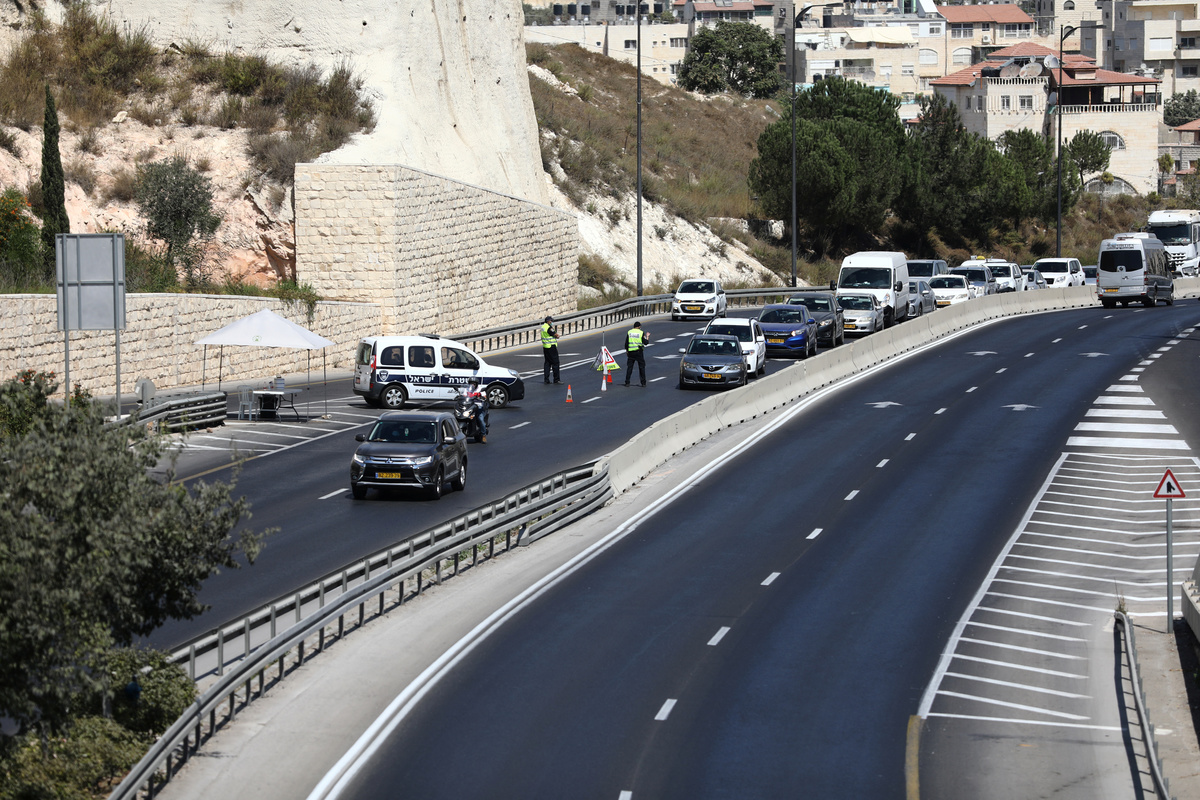
Israel went back into lockdown, its second during the pandemic, on Sept. 18. But over the past week, the number of daily new cases has reached nearly 7,000 among a population of 9 million, severely straining the resources of some hospitals.
"If we don't take immediate and difficult steps, we will reach the edge of the abyss," Netanyahu said in public remarks to the cabinet, which met for about eight hours.
The new restrictions require all businesses and workplaces, except for those designated essential, to shut down for at least two weeks starting on Friday. A list will be released later in the day, an official statement said.
Finance Minister Israel Katz and Bank of Israel Governor Amir Yaron objected to the new curbs, according to the finance ministry, which estimated the damage of a three-week lockdown to the economy at around 35 billion shekels ($10.06 billion).
Israel is already in a recession and unemployment is above 11%.
Schools will remain closed, but synagogues will stay open on Yom Kippur, the Jewish Day of Atonement, next week, although the number of worshippers will be limited. Religious parties in the coalition government had fiercely opposed shuttering synagogues.
A survey published by the non-partisan Israel Democracy Institute on Wednesday showed only 27% of Israelis trust Netanyahu's handling of the coronavirus crisis.
Protesters have been gathering weekly in their thousands outside his Jerusalem residence to call for his resignation over alleged corruption.
Netanyahu has rejected allegations from activists that the tougher lockdown rules, some pending parliamentary approval, are in part intended to quash these demonstrations.
The current 1-kilometre (0.6-mile)- limit on travel from home, except for activities such as grocery and medicine shopping and commuting to work, will now also apply to attendance at street protests.
Netanyahu has denied charges of bribery, fraud and breach of trust in a trial that resumes in January.
Since the outbreak began, 1,316 people have died in Israel and some 200,000 cases of coronavirus have been reported.
The current second wave of infections followed an easing in May of a lockdown imposed in March.
(Additional reporting by Maayan Lubell and Steve Scheer; Editing by Clarence Fernandez, Robert Birsel)