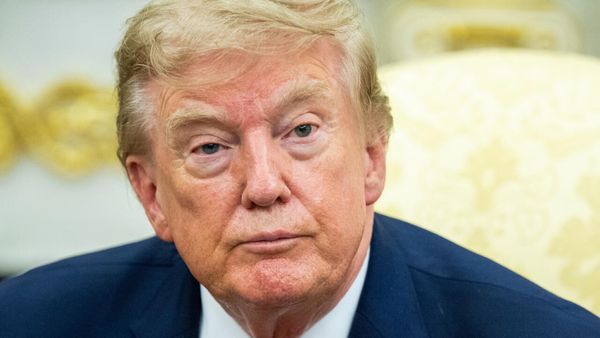
There was always the danger, if not the certainty, that any war Donald Trump and Benjamin Netanyahu waged on Iran would spread like wildfire across the region.
That fear has become a reality. The latest tragedy is the return of the fighting in Lebanon and the Israel Defense Forces’ renewed bombing of Beirut, the densely populated capital city.
As our correspondent Bel Trew reports from that city, the World Health Organisation has warned that an already “unprecedented” catastrophe could “spin out of control”, with more loss of life.
Tom Fletcher, the UN official responsible for humanitarian affairs and the coordination of emergency relief, has warned that the war is engulfing areas and peoples already traumatised by decades of fighting: “War does not stay neatly within borders. It tears through markets, supply chains and food prices. And when that happens, the most vulnerable people in Lebanon and across the region are hit first – and hardest. When maritime corridors such as the Strait of Hormuz are disrupted, food, health, and energy become more expensive and harder to access.”
Iran today issued a statement on behalf of its new supreme leader, Mojtaba Khamenei, promising new attacks on US bases. The Foreign Office has said it is temporarily withdrawing some of its staff from neighbouring Iraq. These are hardly signs that a “cooling off” is imminent.
Now that the fighting has spread and escalated, ending it is proving virtually impossible. As in Vietnam and Afghanistan before, America’s enemy is pursuing an asymmetrical war, and US forces – with increasing difficulty – are encountering an Iranian regime they presumed would have been swept away by now.
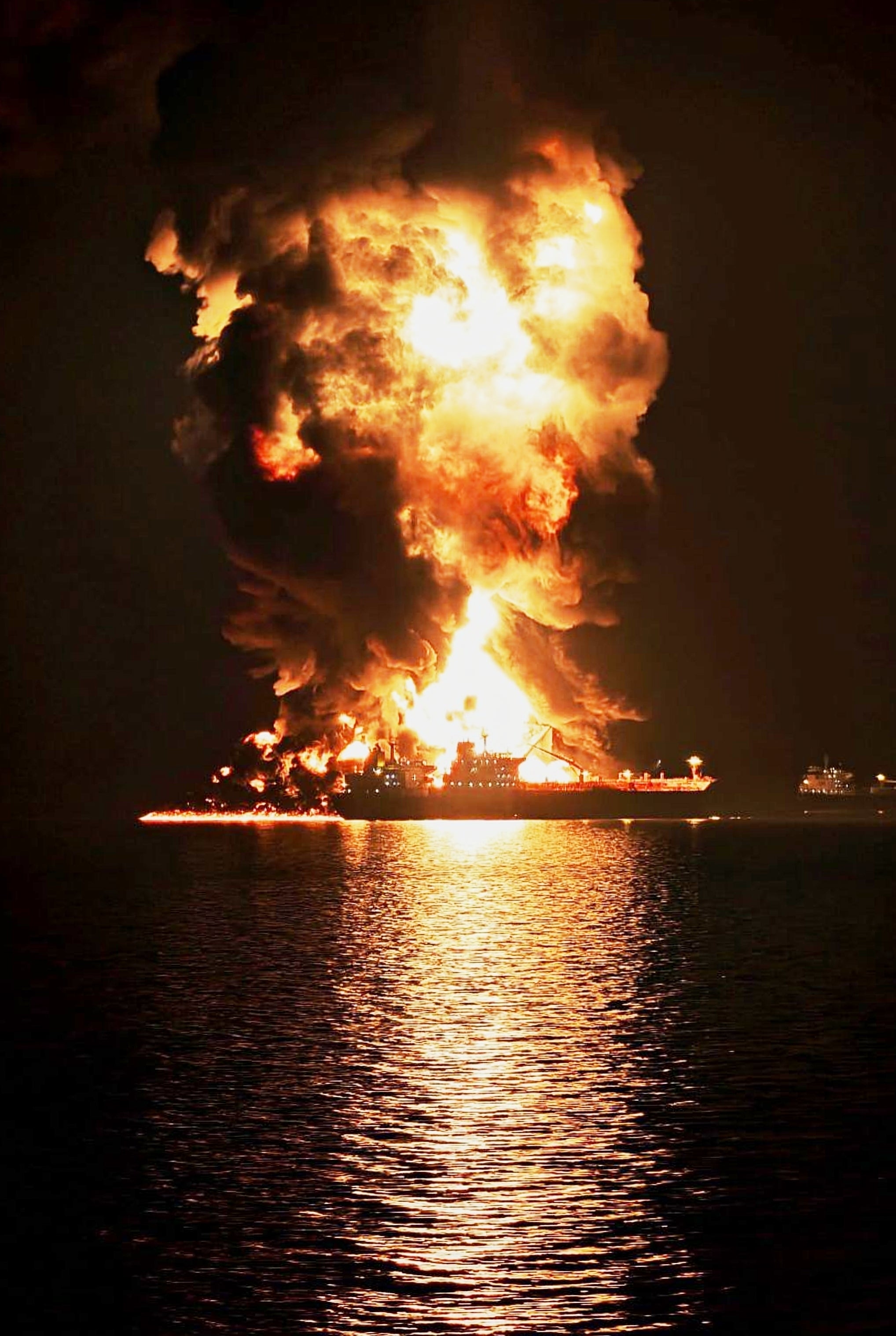
Much of this was foreseeable and preventable. Every unnecessary civilian death and every family tragedy, as well as the global economy’s slide towards recession, is a consequence of President Trump’s decision to go to war.
For a superpower with two aircraft carrier groups in the region and practically unlimited firepower, starting a conflict was far too easy. A more thoughtful president might have avoided the temptation. But for a man as vain as President Trump, the prize of neutralising Iran, a historic achievement that had evaded his predecessors for some 47 years, was clearly irresistible.
Operation Midnight Hammer, the 25-minute US blitz on Iranian nuclear sites in collaboration with Israel last summer, was a direct confrontation involving the three powers. It set an unfortunate precedent. But at least it was limited in scope, had an obvious objective, and was over quickly – literally overnight.
By contrast, Operation Epic Fury is an open-ended war with constantly shifting, ill-defined objectives. It now involves every state in the Middle East – plus virtually the whole world, given its dire economic implications. The US should have realised that a conflict could disrupt oil, gas and other supplies, because that is what has always happened in all the wars in the region since the Suez crisis in 1956.
That meant nothing to Mr Trump. Nor did the fact that before the war began, Iran’s neighbours, including Turkey and the Gulf states, begged the US not to attack (though there is some doubt about the sincerity of the Saudis).
Others, notably Sir Keir Starmer, have pointed out that regime change has never come from the skies. The reaction of Iran’s proxies was harder to predict, but it was always a possibility that they would be drawn in because of Israel’s aggression – and so it has proved with Hezbollah in Lebanon.
America’s allies in Europe and East Asia consistently called for a return to talks with Iran, brokered by Oman, which seemed to be on the brink of success. In fact, it may have been this prospect that prompted the Israelis to sabotage them, preferring to destroy their mortal enemies and the country’s leadership when they had the chance.
When the US and Israel cynically called upon the Iranian people to rise up and overthrow the ayatollahs, President Trump promised that help was on its way. It wasn’t. Moreover, Mr Trump underestimated the brutal hold the Islamic Republic still has on the country. These are unforgivable misjudgements that are costing Americans dear.
The Iran war has proved to be a lose-lose for the US and its leader. No amount of bluster about the price of petrol going down, when it is clearly going up, will convince the voters this time.
The sooner Mr Trump declares “victory” and ends his ill-advised war, the better for the world. But also the better for him. Mercifully, he usually yields to the stock markets. If not, then at this rate the Republicans will lose control of Congress in November, and Mr Trump will be wide open to impeachment.
There are already signs he is shifting responsibility for the debacle onto others in the administration and the military planners. But the truth this time cannot be denied. Mr Trump can blame no one but himself.