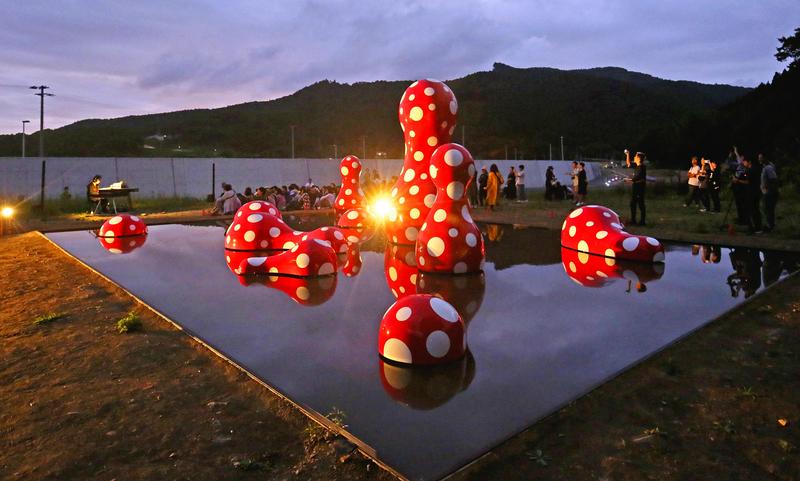
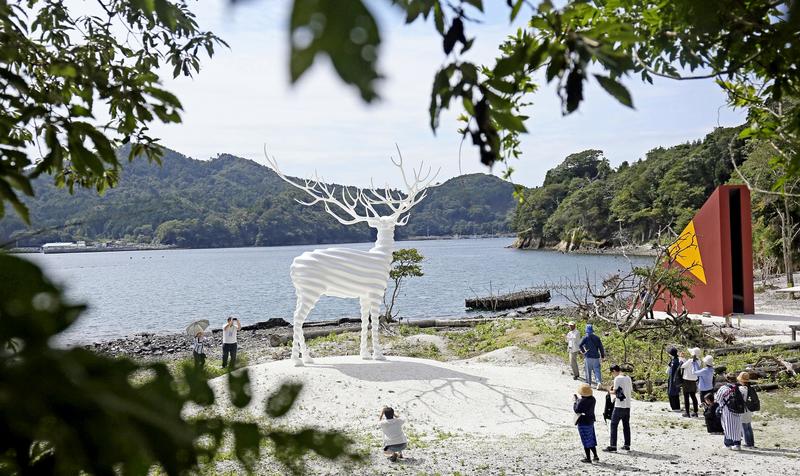
ISHINOMAKI, Miyagi -- The Reborn-Art Festival will run through Sept. 29 in Ishinomaki and nearby municipalities in Miyagi Prefecture, to support reconstruction from the 2011 Great East Japan Earthquake.
Began in 2017 under the leadership of music producer Takeshi Kobayashi, the festival allows visitors to enjoy art surrounded by nature. Kobayashi, who cochairs the festival's executive committee, got the idea after working as a volunteer based out of Ishinomaki Senshu University shortly after the quake, leading an organization called ap bank.
The organization addresses environmental protection and support efforts for reconstruction from natural disasters through profits generated by music activities.
"It made me realize deeply that human beings are part of nature," Kobayashi said. "I want people to feel the genuine richness and beauty of transforming the negative into the positive, and that's only possible when people visit this area."
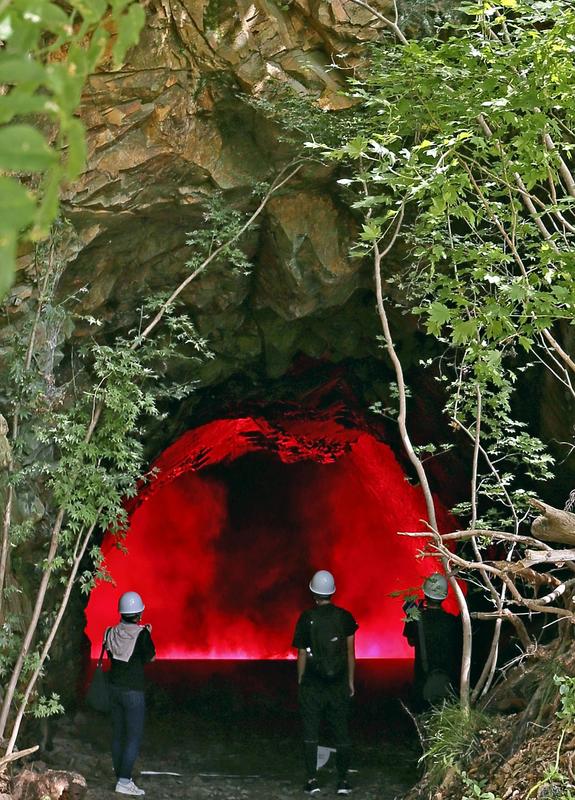
Themed "Texture of Life," the current festival is the second of its kind. It showcases work by about 70 artists aimed at making the audience feel alive.
The artworks are on display in seven areas, including around JR Ishinomaki Station. Ajishima island is a new addition this year to the festival's venues. "I want visitors to enjoy boat trips, and the brightness and peacefulness of the island, whose ecosystem and scenery are highly unique," Kobayashi said.
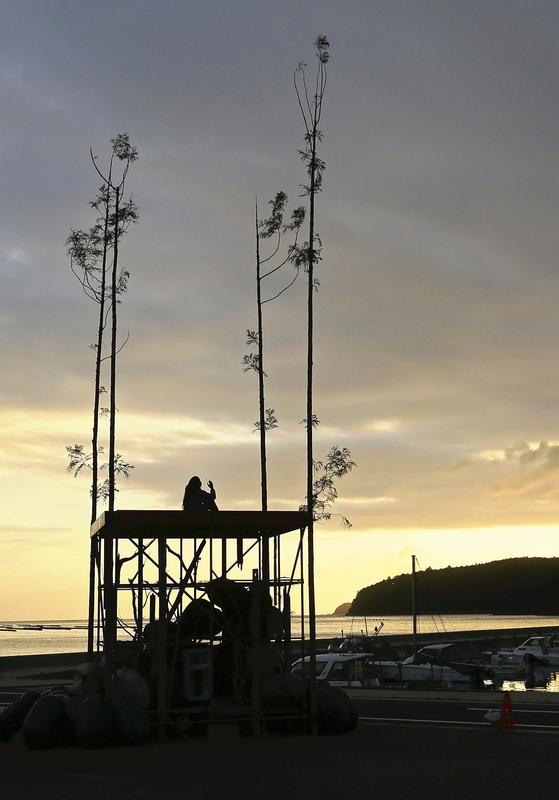
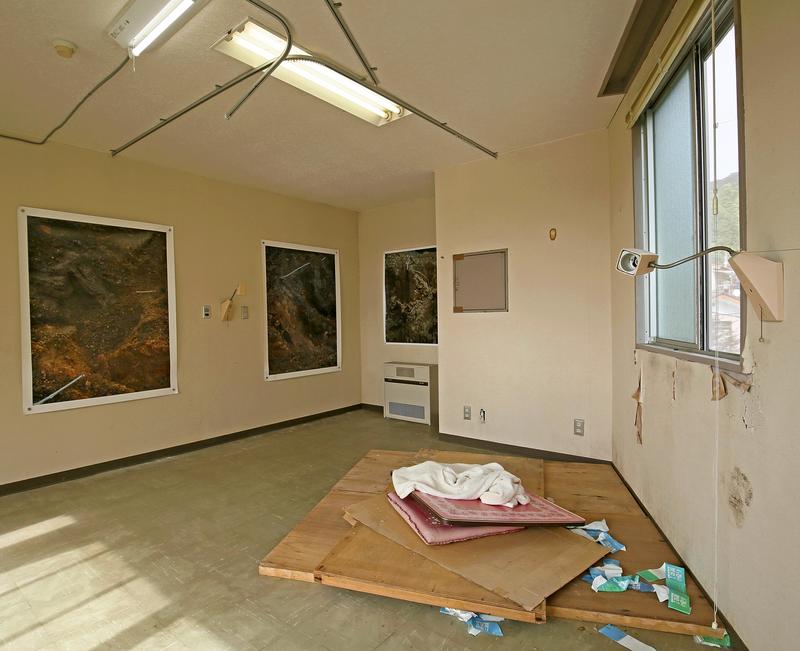
Also among the venues in the Ayukawa area, located at the southernmost point of the Oshika Peninsula, is a building that served as an evacuation center in the wake of the 2011 disaster. It's about a one-hour drive from central Ishinomaki.
"I'm one of the people who evacuated to this facility, and I lived here for nine months," said 69-year-old Katsuko Saito, a staff member working at the venue. "I've met various people after I began working for this festival, which attracts people from across the nation. I want former residents to visit here again to feel the air now."
"I came to the festival two years ago and was looking forward to coming again," said a female company employee in her mid-30s who was visiting the exhibition from Tokyo with a friend. "We'll spend three days seeing the exhibitions. This festival helps visitors understand the real situation of disaster-affected areas through visiting artwork. That's the appeal of the festival for me."
A Reborn-Art Passport ticket is needed to see the exhibitions. The price is 3,000 yen for adults, 2,500 yen for high school and university students, and free for junior high school students and younger.
Read more from The Japan News at https://japannews.yomiuri.co.jp/