It’s one of America’s favorite fruits with each person consuming an average of 27 pounds of bananas a year.
But many may not know that the stage of ripeness determines what specific health benefits you reap.
"[A banana] doesn't lose fiber, but the fiber changes as the banana matures,” registered dietitian Monica Auslander Moreno told EatingWell.
“It goes from having more to less resistant starch.”
Whether you prefer an unripe, green banana, or a mushier, brown one, there’s something beneficial from all stages of naturally-packaged, inexpensive snack.
Green bananas
These are likely not most people’s first choice at the grocery store.
However, they contain a high amount of resistant starch, a crucial carbohydrate eaten by the trillions of bacteria living in our guts that have been tied to improved intestinal health.
Diets that include resistant starch help to control blood sugar and ensure people feel fuller, according to UCLA Health.
And resistant starch has been shown to reduce cancers in the upper parts of the gastrointestinal system, with effects lasting for up to 10 years, according to U.K. researchers.
“We found that resistant starch reduces a range of cancers by over 60 percent,” Newcastle University Professor Dr. John Mathers said in a statement.
Green bananas have the prebiotic fiber pectin, which also helps people feel full and manages spikes in blood sugar, according to registered dietitian Amy Burkhart.
A fully green banana has three grams of fiber, while ripe bananas have less than two grams.
The total dietary fiber intake for adults should be 25 to 30 grams a day from food, according to UCSF Health. American adults currently only average about 15 grams a day.

Yellow and browning bananas
As bananas ripen and become yellow, the resistant starch in green bananas is converted into sugar, according to the American Heart Association.
This is true regardless of how ripe the fruit is, including yellow bananas with green stems and brown-spotted bananas with a mushier core.
While riper bananas are more easily digestible, these can cause a spike in blood sugar.
Ripe bananas typically have around 15 grams of sugar, whereas green bananas typical contain two or three grams less.
But, yellow bananas are better sources of potassium, a mineral that is essential for regulating blood pressure and balancing out blood pressure-raising sodium.
A medium-sized banana has 420 milligrams, which marks a sizable fraction of the 3,400 milligrams recommended for men and 2,600 milligrams recommended for women each day.
“One banana has eight percent of your daily value for potassium, which is a mineral many people don’t get enough of,” registered dietitian Amanda Sauceda told Buzzfeed.
Ripe bananas have higher levels of antioxidants and plant chemicals, such as immune health-guarding vitamin C and metabolism-regulating vitamin B6.
“One banana will give you one-quarter to one-third of the vitamin B6 you need in a day,” registered dietitian Elyse Homan told the Cleveland Clinic.
Overripe bananas
Although sugar and antioxidant levels slightly increase with brown or blackened bananas, fiber and vitamin C levels also fall.
“For example, a ripe banana has 14 milligrams of vitamin C, but an overripe one has 10 milligrams,” Sauceda said. “Interestingly, overripe bananas have a bit more folate than ripe bananas.”
Folate is a B vitamin that is essential for cell growth and helps to reduce the risk of heart attack and stroke.
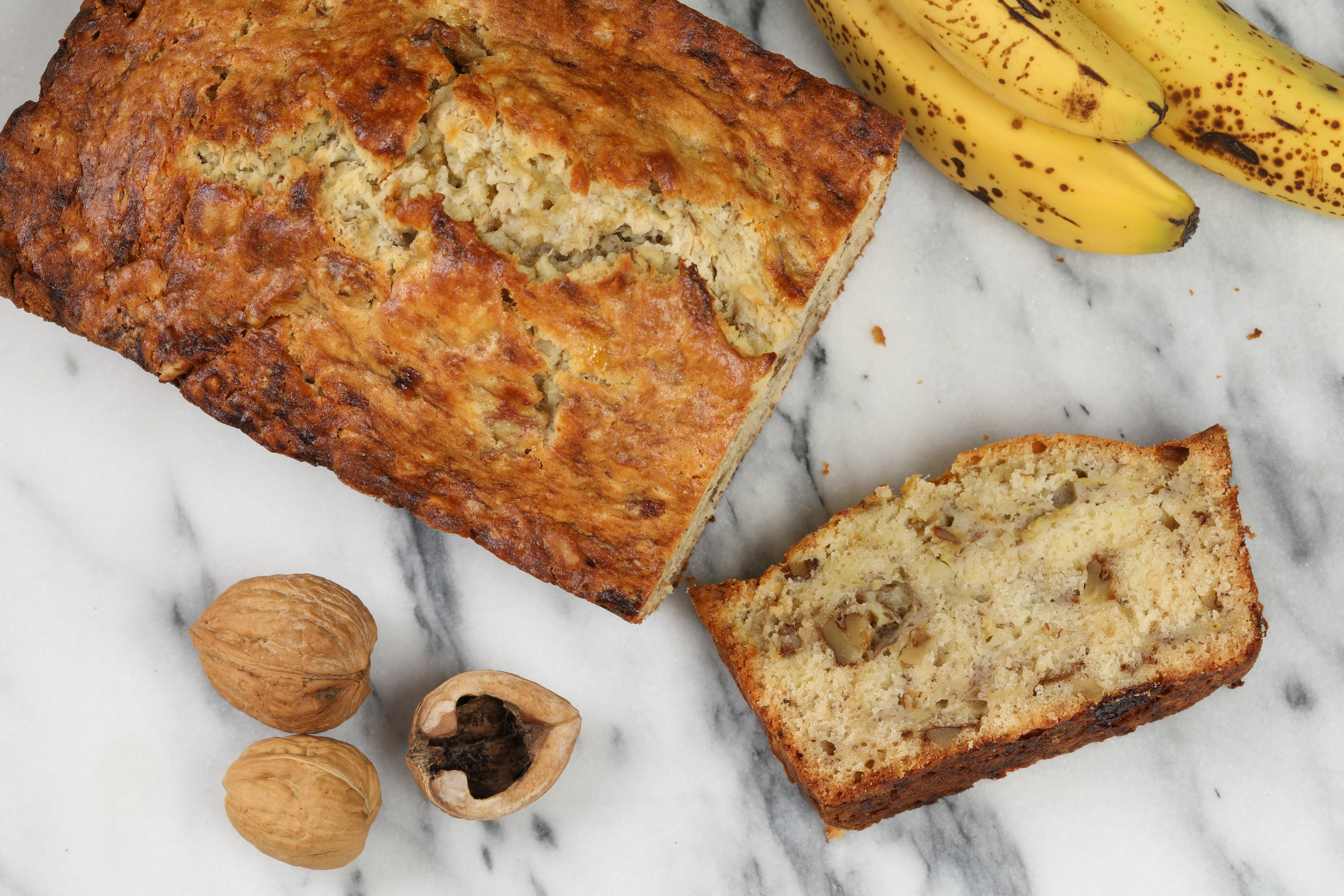
While you may not reach for a banana that looks this way on a store shelf, many people use these when baking banana bread.
“Overripe bananas are the sweetest and most easily digestible, and while nutrient levels may slightly decline, they are still a good source of energy and potassium,” New Jersey chiropractor Dr. Suzi Schulman wrote on Instagram.
Banana bread can be quite sugary, but bakers can make a healthier version by subbing greek yogurt for sour cream, and foregoing table sugar.
Overripe bananas are also a good addition to a breakfast smoothie or mixed into greek yogurt to avoid the carbs.
The berry packed with antioxidants that could shorten your winter cold
The Christmas spices proven to reduce bloating and lower blood sugar
Meghan has been dubbed a ‘holiday hypocrite’ – there’s a reason for that
The exercise runners should never skip, according to experts
Kim Kardashian has ‘holes on the brain’. Should you be worried too?
The physical exercises that boost memory and don’t require much effort