
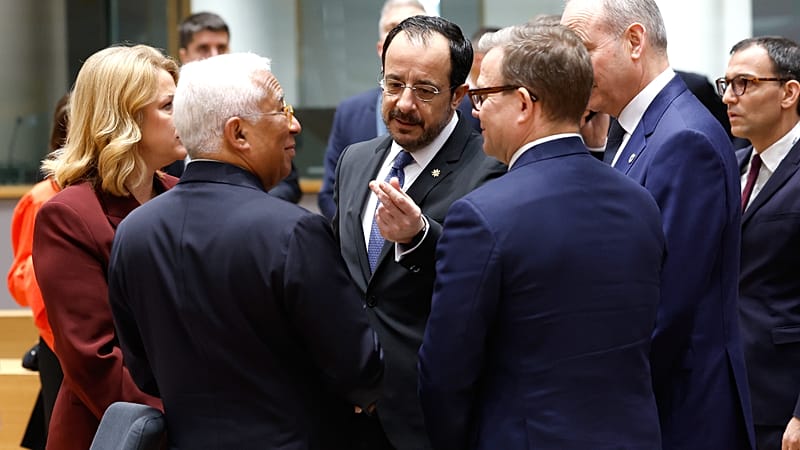
The veto power allows member states to block and delay actions in the European Council. What was once considered a safeguard of national sovereignty, is now turning into a pressure tactic to extort concessions from Brussels.
According to Michal Ovádek, lecturer in European Institutions, Politics and Policy at University College London, 48 vetoes have been registered since 2011. Hungary has halted 21 decisions. Poland ranks second with 7 vetoes, followed by Slovakia, the Netherlands, Austria, and Greece. Other EU members including Cyprus, Romania, and Bulgaria have used it at least once.
While unanimity is a democratic requirement, critics warn that repeated veto can lead to Europe’s paralysis.
As the EU is facing global challenges, swift decisions are required. Internal unanimity disputes undermine Europe’s credibility and collective action carrying severe geopolitical costs.
This has sparked renewed debates over reforms in Brussels. Replacing unanimity with qualified majority can be one solution. Other possible options include adopting legal counteractions and political compromises, such as tighter conditional funding mechanisms.
Reforming voting rules remains difficult as any change requires unanimity, with countries refusing to give up this right.
Curious about the implications of the EU’s unanimity rule? Ask the Euronews AI chatbot!