
Image Source: Shutterstock.com
Soccer practice on Monday, dance class on Tuesday, tutoring on Wednesday, birthday party on Thursday, and a tournament-packed weekend that leaves everyone exhausted by Sunday night. For many families, this isn’t chaos—it’s normal life.
Parents want to give their kids every opportunity, every advantage, every possible skill set that might help them thrive in the future. But somewhere between enrichment and exhaustion, something important gets lost: childhood itself. The big question parents are starting to ask is simple but powerful: are we accidentally burning out our kids before they even get a chance to grow up?
The Rise Of The Hyper-Scheduled Childhood
Children today live in a world that runs on calendars, apps, reminders, and color-coded schedules. Playdates now require coordination like business meetings, and downtime often feels like wasted time instead of essential rest. Research in child development consistently shows that free play supports emotional regulation, creativity, and social skills, yet unstructured time has quietly shrunk in many households.
Parents often feel pressure to “optimize” childhood, turning it into a long résumé-building project instead of a developmental journey. While enrichment activities offer benefits, stacking too many can overwhelm a child’s nervous system. Balance matters more than volume, and childhood isn’t meant to feel like a productivity contest.
What Burnout Actually Looks Like In Young Kids
Burnout in children doesn’t look like adult burnout with office stress and job dissatisfaction, but it still shows up in powerful ways. It often appears as irritability, emotional outbursts, fatigue, anxiety, sleep issues, and sudden loss of interest in activities they once loved. Some kids become withdrawn and quiet, while others become hyper-reactive and easily overwhelmed.
Pediatric psychologists note that chronic stress in children can affect emotional development and coping skills. When every day feels rushed and every hour feels scheduled, kids lose the mental space to decompress. Emotional exhaustion in childhood is real, and it deserves to be taken seriously.
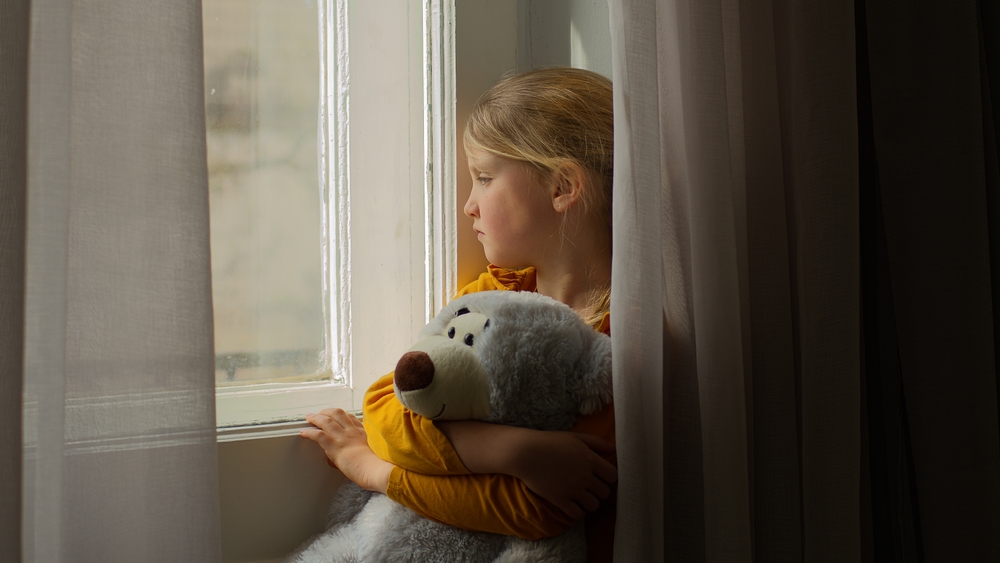
Image Source: Shutterstock.com
When Enrichment Becomes Pressure
Activities like sports, music, and academics can be wonderful for growth, confidence, and social development. The problem begins when those activities shift from joy-based to performance-based. Kids start feeling pressure to excel instead of explore, which transforms learning into stress.
When children feel like their value comes from achievement rather than being themselves, anxiety naturally follows. Developmental experts consistently emphasize that intrinsic motivation builds healthier long-term success than external pressure. Childhood thrives on curiosity, not constant evaluation.
The Role Of Adult Anxiety In Kids’ Schedules
Parents don’t overschedule kids out of neglect; they do it out of love, fear, and concern for their future. Many adults worry about competition, college readiness, and long-term success starting earlier than ever before. Social comparison also plays a role, especially in communities where “busy kids” feel like a badge of good parenting.
But adult anxiety often gets transferred onto children through packed schedules and constant structure. When parents slow down, kids usually follow. Modeling balance teaches kids that rest is not laziness—it’s health.
Why Boredom Is Actually Healthy
Boredom has a terrible reputation, but it plays a powerful role in development. Neuroscience research shows that boredom encourages creativity, imagination, and problem-solving. Unstructured time allows kids to invent games, explore curiosity, and regulate emotions independently.
When every moment is filled, children never learn how to manage stillness or self-direction. Boredom builds resilience because kids learn how to cope with quiet and uncertainty. A little boredom today creates emotional strength tomorrow.
How To Build A Healthier Balance Without Guilt
The goal is not to eliminate activities, but to restore breathing room. Start by limiting structured activities to a manageable number per week and protecting at least a few unscheduled days. Let kids participate in decisions about what they enjoy and what feels overwhelming.
Watch energy levels, not just performance levels, when evaluating schedules. Build in family downtime that has no agenda and no destination. Balance does not mean doing less for your child; it means doing what truly supports their well-being.
Raising Humans, Not Hustlers
Childhood isn’t a training program for adulthood—it’s a developmental stage that shapes emotional health for life. Overscheduling doesn’t just exhaust kids; it teaches them that productivity matters more than presence. When kids grow up believing rest equals failure, burnout becomes their default mode. Slower schedules create space for connection, creativity, and emotional security.
Are we preparing children for success—or accidentally training them for burnout before they even understand what stress is? Give us your tips and stories in the comments below.
You May Also Like…
10 Warning Signs Of Childhood Burnout (Yes, It’s a Thing Now)
8 Silent Symptoms of “Walking Pneumonia” Spiking in Virginia Schools This Week
7 Children’s Shows That Experts Say Spike Anxiety Levels
11 School Practices That Punish Neurodivergent Children
The post Is Overscheduling Causing Burnout in Young Children? appeared first on Kids Ain't Cheap.