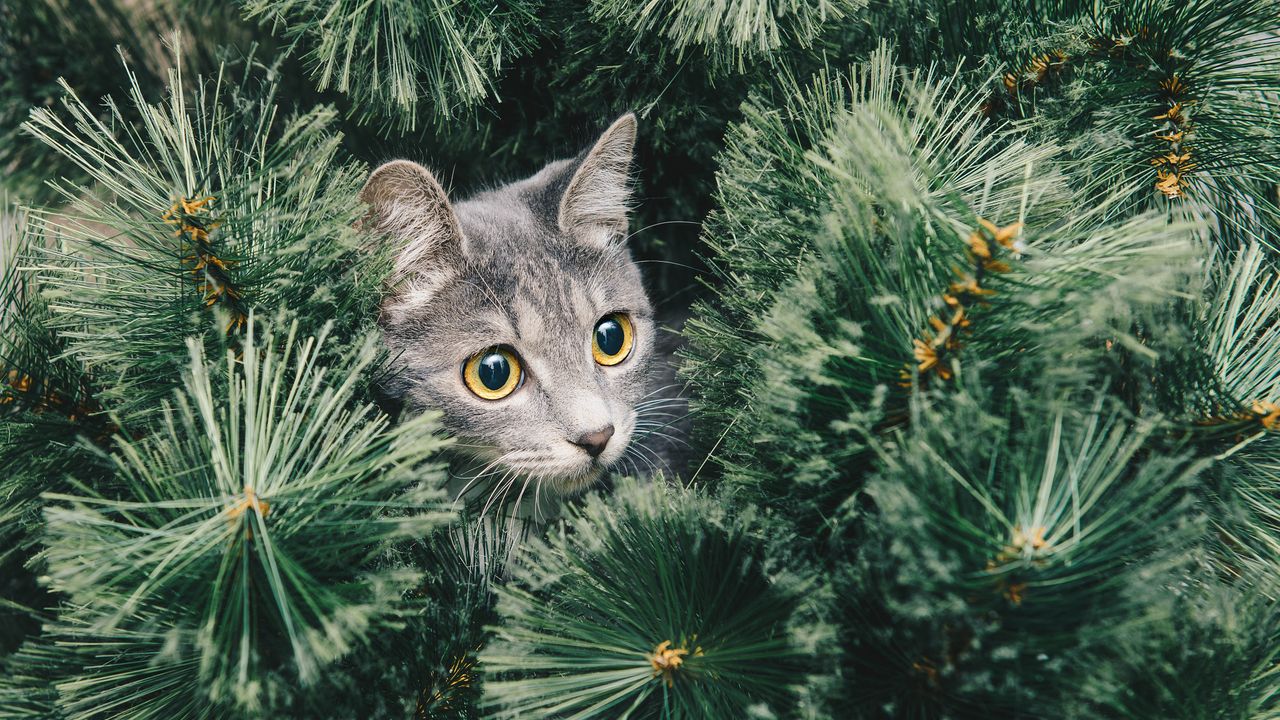
The holidays are here, and you’ll probably have your Christmas tree and sparkly decorations to add festive cheer. However, if you’re a pet parent, you’ll need to take caution when it comes to this one popular festive plant.
According to a flower expert, mistletoe is highly toxic to cats and dogs if eaten, causing serious harm. “Mistletoe contains multiple toxic compounds that can cause adverse symptoms in many pets, including cats and dogs, when ingested, and sadly, in some cases, fatalities,” states David Denyer, flower and garden expert at Eflorist.
Fortunately, there are some safer ways to hang mistletoe in your home that are out of reach of your beloved pets — and will avoid any nasty side effects. That way, you can all have a festive (and worry-free) holiday.
The safe way to hang mistletoe around pets

First of all, you should always hang mistletoe high and out of reach. Ideally, keep it away from your pet's favorite hangout spots or areas that are easy for them to climb onto.
“You should hang mistletoe safely out of reach, and avoid areas where pets can jump or climb onto,” adds Denyer. “Even small amounts of mistletoe can be toxic, so this is crucial for your pets’ safety.
"Cats, in particular, are known to be professional climbers, so consider your pets’ individual behaviour when choosing a location.”
David Denyer, flower and garden expert at Eflorist
“While hanging it above doorways is traditional, ensure it’s far from surfaces such as tables, counters, or furniture that your pets can easily hop onto. Cats, in particular, are known to be professional climbers, so consider your pets’ individual behaviour when choosing a location.”
Additionally, make it a habit to inspect your decorations to make sure there are no loose berries or fallen leaves on the floor. You don’t want to spark an interest in your cats or dogs to eat them.
“Even if you feel like you’ve hung your mistletoe securely, regular inspections are essential,” agrees Denyer. “Pets, particularly curious dogs and cats, might play with or consume fallen pieces. So be sure to sweep or vacuum frequently around the areas where the mistletoe is displayed to be safe.”
Alternatively, if you want to be extra careful, you can opt for artificial mistletoe or decorations instead. Just ensure these do not contain toxic materials. “Artificial mistletoe offers a safe, pet-friendly alternative that mimics the festive vibes without the risks from the real thing.
“Many high-quality artificial options are designed to be visually indistinguishable, and this also ensures longevity and reusability for future Christmases to come. However, it’s important to check for non-toxic materials in these artificial decorations to ensure complete safety for your pets.”
Signs to look out for if your pet has eaten mistletoe
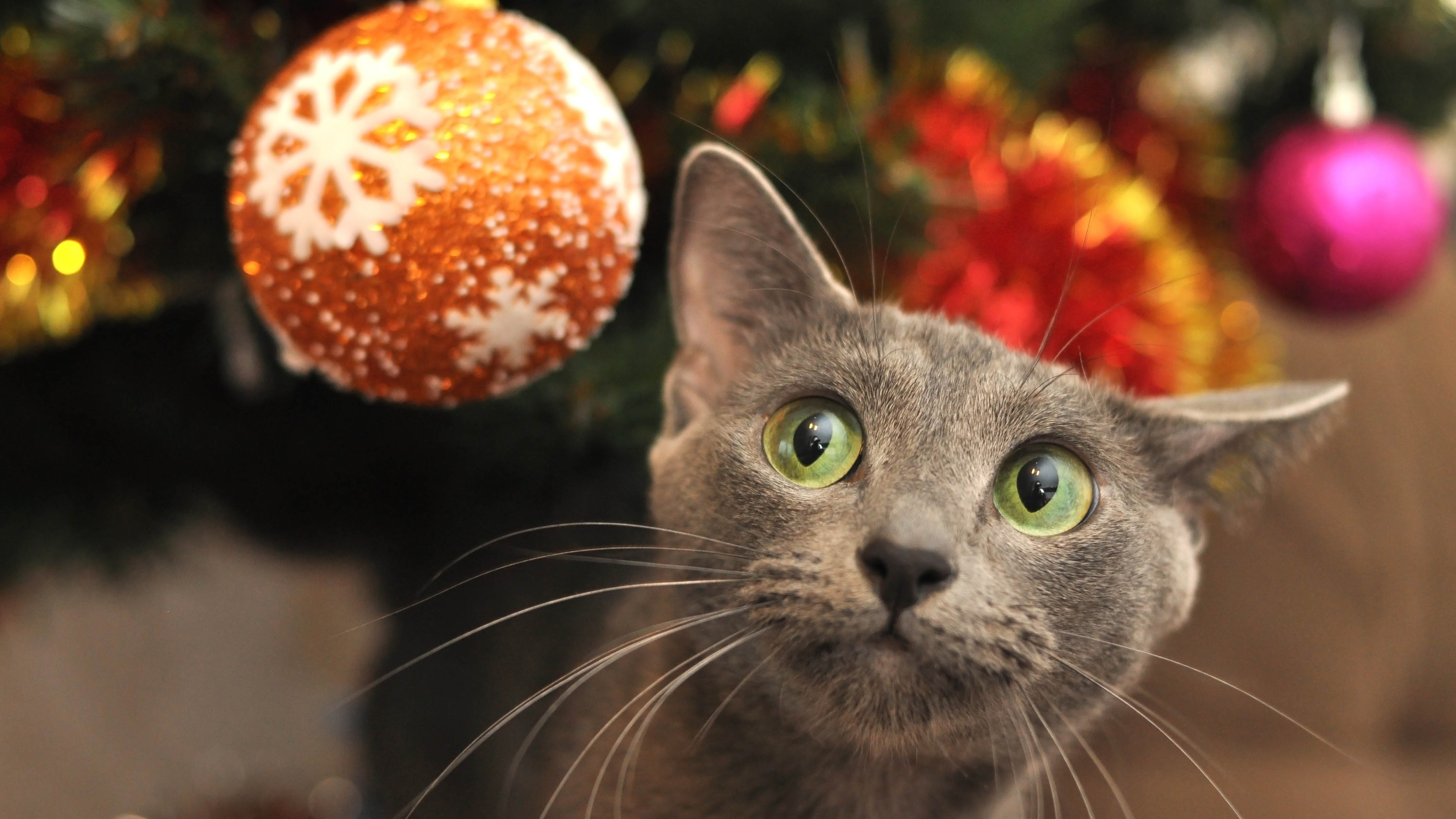
So what are the key symptoms to look for to indicate that your pet might have eaten mistletoe? “The severity of symptoms depends on the amount ingested and the size of the pet," states Denyer.
"But common symptoms of poisoning can include drooling, vomiting, diarrhoea, abdominal pain, and in severe cases, slowed heart rate or seizures.”
Of course, if you suspect your pet might have eaten mistletoe, you must take action immediately. “Contact your vet immediately, as it's important to act quickly. Quick intervention is vital to prevent complications, and your vet may recommend treatments to help with any symptoms at home in the short term.”
Also, if you have a curious cat who loves hiding in your tree, check out how to keep cats out of the Christmas tree, and keep safe this holiday season.
Follow Tom's Guide on Google News and add us as a preferred source to get our up-to-date news, analysis, and reviews in your feeds.