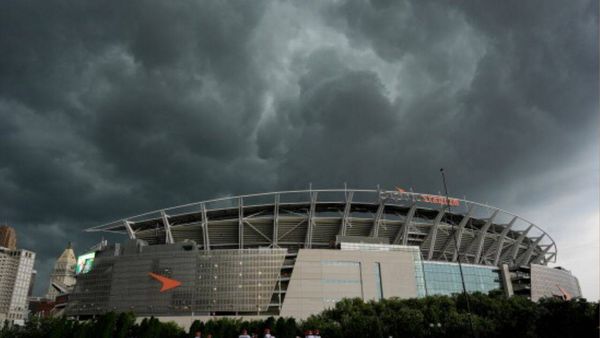
As extreme heat starts to feel like a normal part of life, it can be difficult to know what’s safe to do and what’s best to avoid.
Prime Minister Andy Burnham will chair an emergency Cobra committee later on Wednesday in response to a prolonged spell of exceptionally hot and dry weather.
Temperatures are set to climb as high as 38C in some parts of England on Thursday, with fire chiefs warning of an exceptionally high risk of wildfires in the fifth heatwave of a summer on track to be the UK’s hottest on record.
For many, summer means spending more time outdoors – but is it still safe to go hiking during a heatwave?
We spoke to experts to find out.
Is there clear guidance on when it might be too hot to go on a hike?
“Hiking in a heatwave is not necessarily unsafe for everyone, but strenuous exercise in hot weather puts you at an increased risk of heat-related illnesses,” says Dr Naveed Asif, GP at The London General Practice.
“As a doctor, I would not advise that there is a specific temperature at which hiking becomes unsafe; however, risk also changes due to humidity, direct sunlight, wind, terrain, duration and one’s health and fitness.
“A go-to resource to check before setting out is the UKHSA/Met Office Heat Health Alert website and I also would recommend avoiding the hottest part of the day, and consider postponing strenuous hikes during periods of extreme heat.”
What are the potential health dangers of going on a hike in a heatwave?
“Exercise produces additional body heat, while high temperatures and humidity make it harder for the body to lose that heat. This can lead initially to dehydration, dizziness, headache, nausea, weakness and muscle cramps, progressing to heat exhaustion,” says Asif.
He warns that if the body’s temperature regulation fails, this can develop into heatstroke.
“Heatstroke is a medical emergency that can cause confusion, collapse, seizures, organ damage and has led to death in cases,” explains the GP. “Heat-related illness can also cause weakness, and puts you at higher risk of falls and injuries, while being in a remote location may mean a delay in accessing urgent care.”
If you are planning to go on a hike this summer, here are some tips and precautions to take to keep yourself safe…
Check the weather forecast
“Keep an eye on the weather forecast and the UV levels, and especially look out for any weather warnings, which can be yellow, amber, or red,” recommends Gemma Twitchen, programme lead for Walk Leadership at The Ramblers.
“When it comes to amber and red weather warnings, that’s when you really need to consider whether to go out or not. With a red warning, we would suggest not going out and postponing it to another day.
“You can also check the pollen count on weather apps if you have allergies.”
Incorporate lots of shade and breaks into your walks
“If the weather is a bit warmer than normal, make sure that you’ve got some shaded and woodland areas planned within your walk, so that you can take a bit of a respite from the heat and are not exposed to it all the time,” advises Twitchen.
Remember to top up on sunscreen
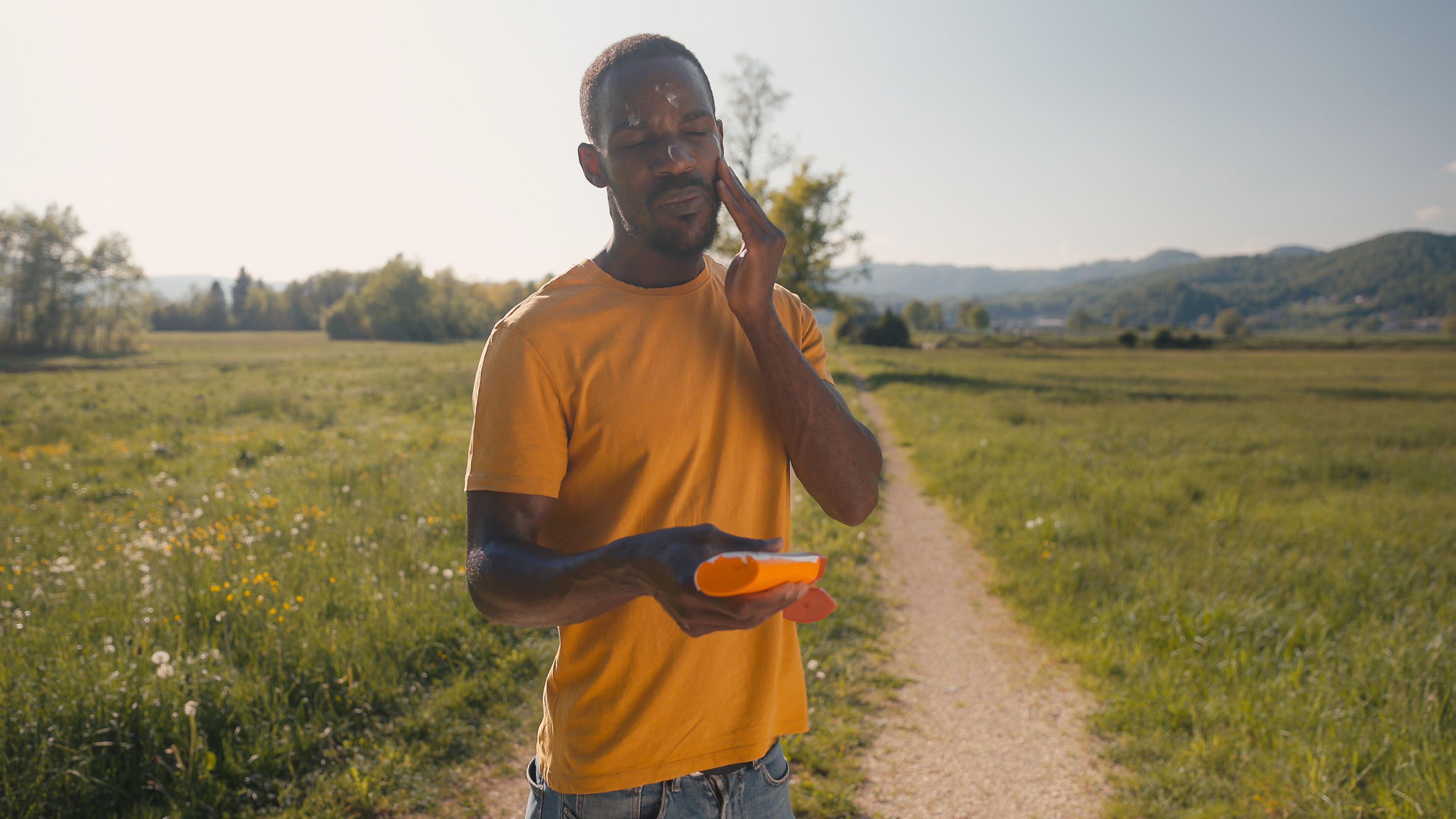
“When you’re out walking, you will be sweating, so remember to top up on sunscreen whenever you’re having those breaks,” recommends Twitchen.
“It’s better to have too much sunscreen on than not enough. Make sure any exposed skin, especially your face, nose, ears, and any extremities is covered.”
Go out during the cooler parts of the day
“The hottest part of the day is between 11am and 3pm – that’s when the UV levels are the highest – so you might want to change the timing of your walk to avoid that,” suggests Twitchen.
“Consider going out a little bit earlier or a bit later in the day instead. Evening walks are great in the summer because you can make the most of the extended daylight.”
Wear loose clothing
“Keep clothing loose and comfortable,” recommends Twitchen. “The best materials to wear for walking in hot weather are lightweight synthetics like polyester and nylon – anything that dries fast and prevents chafing and keeps your body cool.
“Also, remember to pack sunglasses and a hat.”
Walk with others
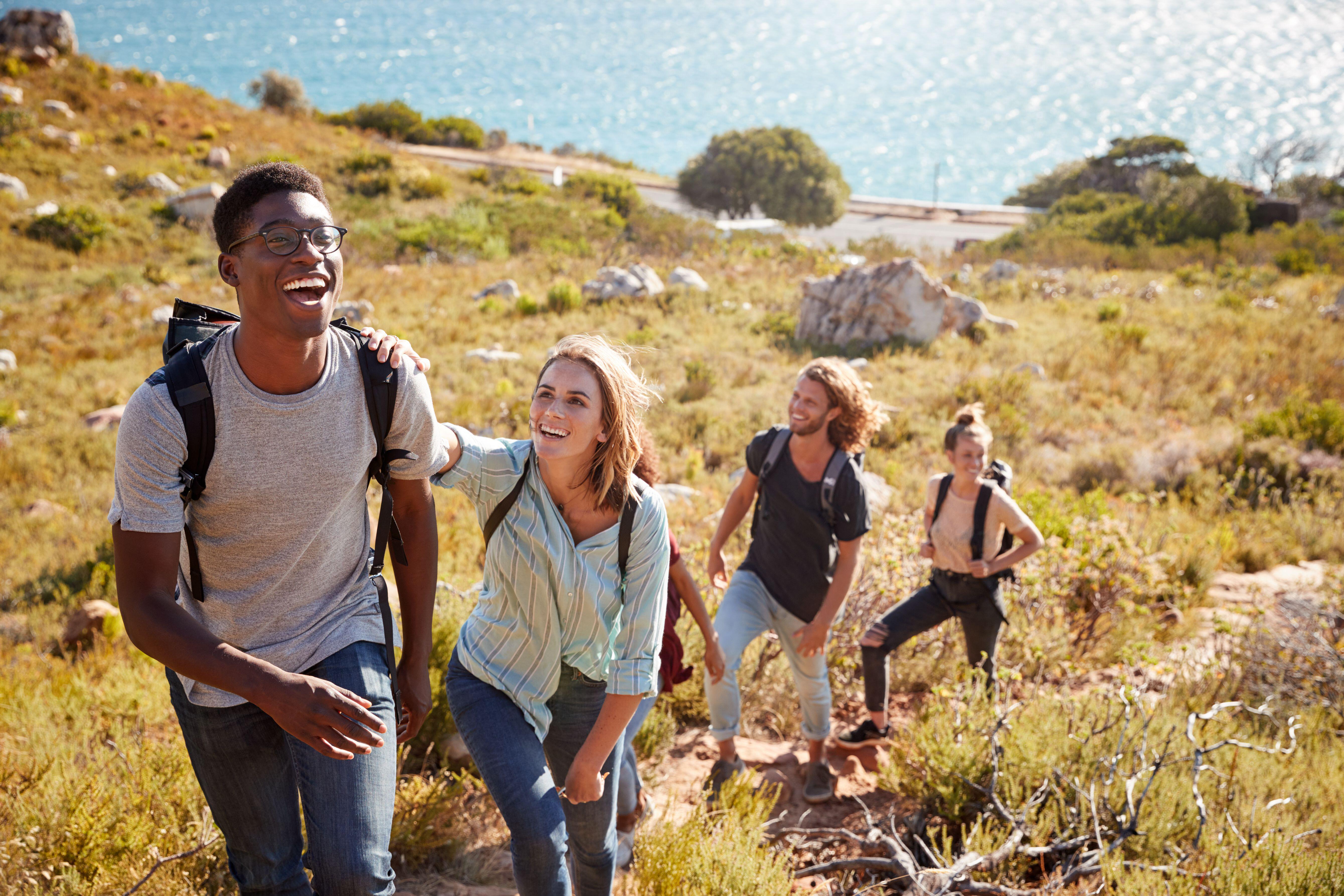
“Going on a hike with at least two or three others is always a good idea, so you can be there to support each other if something does happen,” says Twitchen.
“If you do plan on walking on your own, regardless of the weather, tell somebody what time you are going and what route you are taking, particularly if you’re going quite far afield and if it’s going to be a long walk.”
Look out for signs of heat exhaustion and heat stroke
“Heat exhaustion symptoms include heavy sweating, thirst, headache, dizziness, weakness, nausea, muscle cramps and a rapid pulse or breathing,” says Asif.
“If you experience any of these symptoms, I would recommend stopping the exercise, moving to a cool or shaded area, removing excess clothing, drinking cool fluids (but only if fully alert and able to swallow), and cooling the skin with water and fanning. With mild symptoms, these should improve within around 30 minutes.”
Whereas he explains that heatstroke is an emergency, presenting with confusion, unusual behaviour, collapse, seizures, loss of consciousness or a very high temperature.
“In this situation, even if there is the slightest doubt, start actively cooling the person but make sure there is no delay in calling 999 immediately,” advises Asif. “Do not try to give fluids to someone who is confused or unconscious.”
Stay hydrated
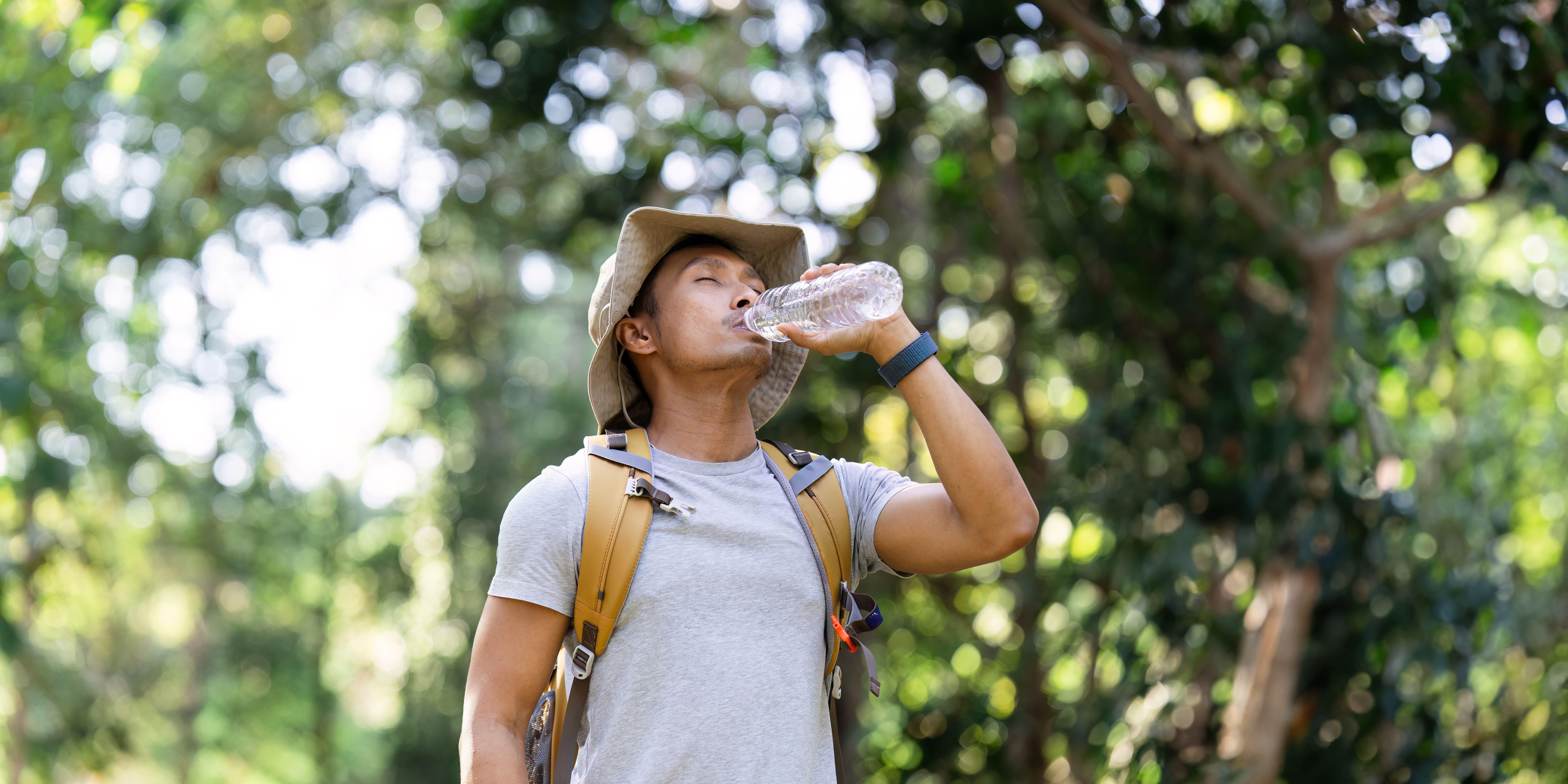
“Take lots of water with you, more than what you would normally take,” advises Twitchen.
“You could also plan your walk on a route where you know that you can pick up water along the way. Alternatively, if you are going on a longer hike, then you could pack big water containers or lots of smaller water bottles.”
Pack an umbrella
“Having a bigger umbrella could be handy to provide shade and give you a break from the sunlight,” suggests Twitchen.
Pack a first aid kit
“Always take a first aid kit out with you when you’re out hiking, even if it’s just a short walk,” says Twitchen.
“Walking is a really low-risk activity, and incidents are rare, but from time to time something can happen. The majority of things that do happen on walks are trips, slips, and falls, so a first aid kit can be useful for that.”
Bring a battery pack
“If you’re going on a hike further afield, make sure that you’ve got a charged battery pack so that you’ve got extra battery in case you need it,” advises Twitchen.
Check signal coverage
“Make sure that you’ve got fairly good coverage so you can contact the emergency services if you need to,” says Twitchen.
“If you’re worried about the signal, you can pre-register your phone with the EmergencySMS service. To register, text the word “register” to 999 and reply “yes” to the confirmation message.
“If not pre-registered, standard texts to 999 will not work, and you must make a voice call.”