Electric cars have become increasingly popular in recent years. Rising fuel prices, growing environmental concerns, and advances in battery technology have encouraged many drivers to consider making the switch. One of the biggest claims made about electric vehicles (EVs) is that they save money over time.
However, buying a car is a major financial decision. While electric vehicles often cost more upfront, supporters argue that lower running and maintenance costs make them cheaper in the long run. So, is that really true?
The answer depends on several factors, including how much you drive, where you charge your vehicle, and how long you plan to keep it. Let's take a closer look at the costs involved and determine whether an electric car can truly save you money over time.
The Higher Upfront Cost
One of the first things most buyers notice is the purchase price. Electric vehicles generally cost more than comparable petrol-powered cars.
The main reason is the battery pack, which remains one of the most expensive components in an EV. Although battery costs have fallen significantly over the past decade, electric cars still tend to carry a higher sticker price.
For example, a petrol hatchback may cost considerably less than its electric equivalent. This higher initial investment can make buyers hesitate, especially if they are working within a strict budget.
However, the purchase price tells only part of the story. The true cost of ownership includes everything you spend throughout the life of the vehicle.
Fuel Costs: Where Electric Cars Shine

Fuel costs: Where electric cars shine
One of the biggest advantages of electric cars is the lower cost of energy.
Petrol and diesel prices can fluctuate frequently and often increase unexpectedly. Charging an electric vehicle is generally much cheaper than filling a fuel tank.
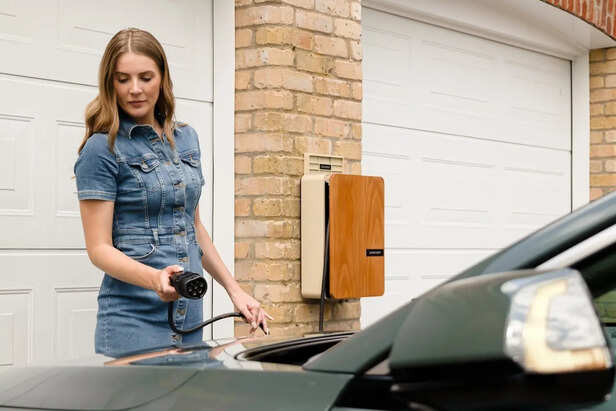
If you charge your EV at home during off-peak electricity hours, the savings can be substantial. Even public charging stations often cost less per kilometre than traditional fuel.
Consider a driver who travels thousands of kilometres each year. The difference between paying for petrol and paying for electricity can add up quickly. Over five to ten years, these savings may offset a significant portion of the vehicle's higher purchase price.
The more you drive, the greater the potential savings become.
Lower Maintenance Costs

Lower maintenance costs
Electric vehicles have fewer moving parts than conventional cars.
A petrol engine contains hundreds of components that require regular maintenance and occasional repairs. Oil changes, spark plugs, fuel filters, timing belts, and exhaust systems all need attention over time.
Electric cars eliminate many of these maintenance requirements.
Because EVs use electric motors rather than internal combustion engines, they generally experience less wear and tear. There is no engine oil to replace and fewer mechanical systems that can fail.
Many EV owners report spending considerably less on routine servicing compared to owners of petrol vehicles.
Brake systems also tend to last longer because many electric cars use regenerative braking, which helps slow the vehicle while recovering energy for the battery.
These maintenance savings can become significant during long-term ownership.
Battery Replacement Concerns
One common concern about electric vehicles is battery replacement.
Many buyers worry that the battery will fail after a few years and require an expensive replacement. While battery replacement can be costly, modern EV batteries are designed to last much longer than many people expect.
Most manufacturers offer battery warranties that cover eight years or more. Studies and real-world experience have shown that many EV batteries retain most of their capacity even after years of use.
Battery technology continues to improve, making newer vehicles more reliable and durable.
While battery degradation is real, complete battery failure is relatively uncommon. For most drivers, the battery is likely to last throughout much of the vehicle's useful life.
Insurance Costs
Insurance is another factor worth considering.
In some regions, electric vehicles may cost more to insure. The higher vehicle value and specialized repair requirements can increase insurance premiums.
However, the difference varies depending on the model, location, and insurance provider. As electric vehicles become more common and repair networks expand, insurance costs may become more competitive.
Potential buyers should compare insurance quotes before making a purchase rather than assuming an EV will automatically be cheaper or more expensive.
Depreciation and Resale Value
A vehicle's resale value plays an important role in its overall cost.
Historically, some electric cars experienced faster depreciation because buyers were uncertain about battery longevity and rapidly changing technology.
Today, the situation is improving. Growing consumer confidence and increased demand for used electric vehicles have helped support resale values.
Popular EV models often retain their value reasonably well, particularly those with strong battery performance and long driving ranges.
That said, depreciation still varies significantly between brands and models. Buyers should research the resale history of specific vehicles before making a decision.
Government Incentives Can Make a Difference
Government Incentives Can Make a Difference
Many governments offer incentives to encourage EV adoption.
These may include tax credits, rebates, reduced registration fees, or discounts on charging equipment. Such incentives can lower the effective purchase price and improve the overall financial case for buying an electric vehicle.
The availability of these programs depends on where you live and may change over time.
For some buyers, government incentives can reduce the price gap between electric and petrol vehicles considerably.
Charging Infrastructure Matters
The convenience and cost of charging play a major role in determining long-term savings.
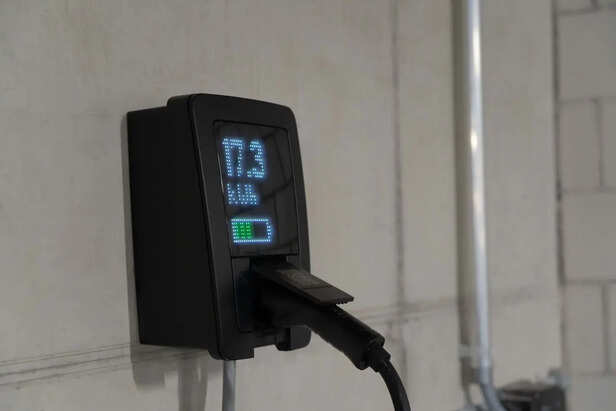
Drivers with access to home charging typically enjoy the greatest financial benefits. Charging overnight at home is often less expensive and more convenient than relying on public charging stations.
People who depend heavily on fast public chargers may see smaller savings because public charging rates can be higher.
Before purchasing an EV, it is worth considering where and how you will charge the vehicle regularly.
How Long Do You Need to Own an EV to Save Money?
The point at which an electric car becomes cheaper than a petrol car is often called the break-even point.
For some drivers, this may happen within a few years. For others, it may take longer.
Drivers who travel long distances each year generally reach this point faster because they save more on fuel and maintenance.
Those who drive infrequently may take longer to recover the higher purchase cost.
The exact timeline depends on factors such as electricity prices, fuel prices, maintenance costs, vehicle purchase price, and annual mileage.
In many cases, owners who keep their vehicles for five years or more are more likely to experience meaningful savings.
Environmental Benefits Add Extra Value
While financial savings are important, many people choose electric vehicles for environmental reasons.
EVs produce no tailpipe emissions and can help reduce air pollution. When powered by renewable energy sources, they can significantly lower overall carbon emissions.
Although these environmental benefits do not directly reduce ownership costs, they represent an additional advantage that many buyers value highly.
For some drivers, contributing to cleaner transportation is an important part of the decision-making process.
The Real Cost Comparison
So, is an electric car really cheaper in the long run?
For many drivers, the answer is yes. Although electric vehicles often require a larger upfront investment, lower energy costs and reduced maintenance expenses can lead to substantial savings over time.
The biggest financial benefits are usually seen by drivers who cover significant distances, have access to affordable home charging, and plan to keep their vehicles for several years.
However, an electric vehicle is not automatically the cheapest option for everyone. Factors such as purchase price, insurance costs, charging access, and driving habits all influence the final outcome.
Before making a decision, calculate your expected annual mileage, compare fuel and electricity costs, and consider how long you intend to keep the vehicle. Looking at the complete ownership picture rather than just the purchase price will provide a much clearer answer.
For many households, electric cars are no longer just an environmentally friendly choice. They are increasingly becoming a financially smart one as well.
Unlock insightful tips and inspiration on personal growth, productivity, and well-being. Stay motivated and updated with the latest at My Life XP.