Kuwait has begun limiting oil production after running out of space to store bottled-up crude, which could lead to international repercussions, according to sources familiar with the matter.
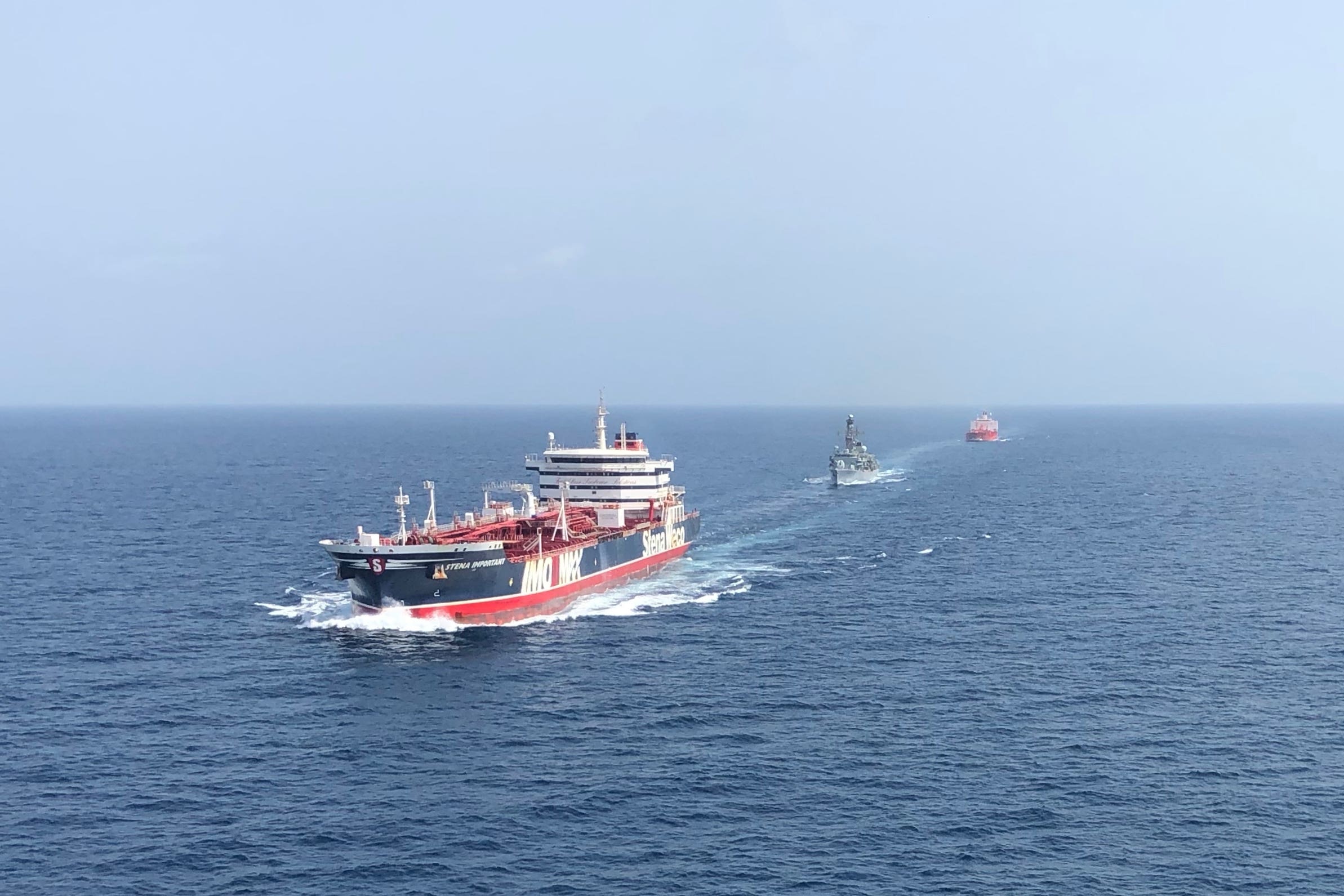
Sources told the Wall Street Journal that the10th-largest oil producer in the world is having to slow production because the war in Iran has created a bottleneck in the Straits of Hormuz.
The body of water in the Persian Gulf that transports a fifth of the world’s oil supply and which, according to Iran’s Islamic Revolutionary Guard Corps, Iran has “complete control of.”
U.S. and Israeli strikes in Iran have resulted in a leap in oil prices to $90 a barrel per the Brent crude benchmark oil price, a price that could keep rising now that Kuwait is limiting its production, and neighbouring countries are considering doing the same.
“Storage is limited in the Middle East, and the only fix to avoid tanks running over is to curb production,” Giovanni Staunovo, a commodity strategist at UBS, told the Wall Street Journal.
The backlog in the Straits of Hormuz has seen storage facilities in Kuwait, as well as nearby Saudi Arabia and the United Arab Emirates, filling up with barrels with nowhere to go.
Iraq has already cut its oil production down by half.
According to experts, pausing and then restarting oil production can be very time-intensive and expensive, as halting equipment use can reduce pressure in the oil field.
The Gulf nation, one of the founding members of the Organization of the Petroleum Exporting Countries (OPEC), is reportedly considering cutting production to cover only domestic consumption amid regional constraints.
The Trump administration has said that “everything is being considered” when it comes to enabling oil to flow out of the Middle East.
“I think there’s a series of ideas,” Interior Secretary Doug Burgum told Bloomberg.
This “series of ideas” includes having the U.S. Navy escort oil tankers through the Straits of Hormuz, and offering insurance at “a very reasonable price” through the US International Development Finance Corporation to commercial oil firms, according to President Donald Trump.
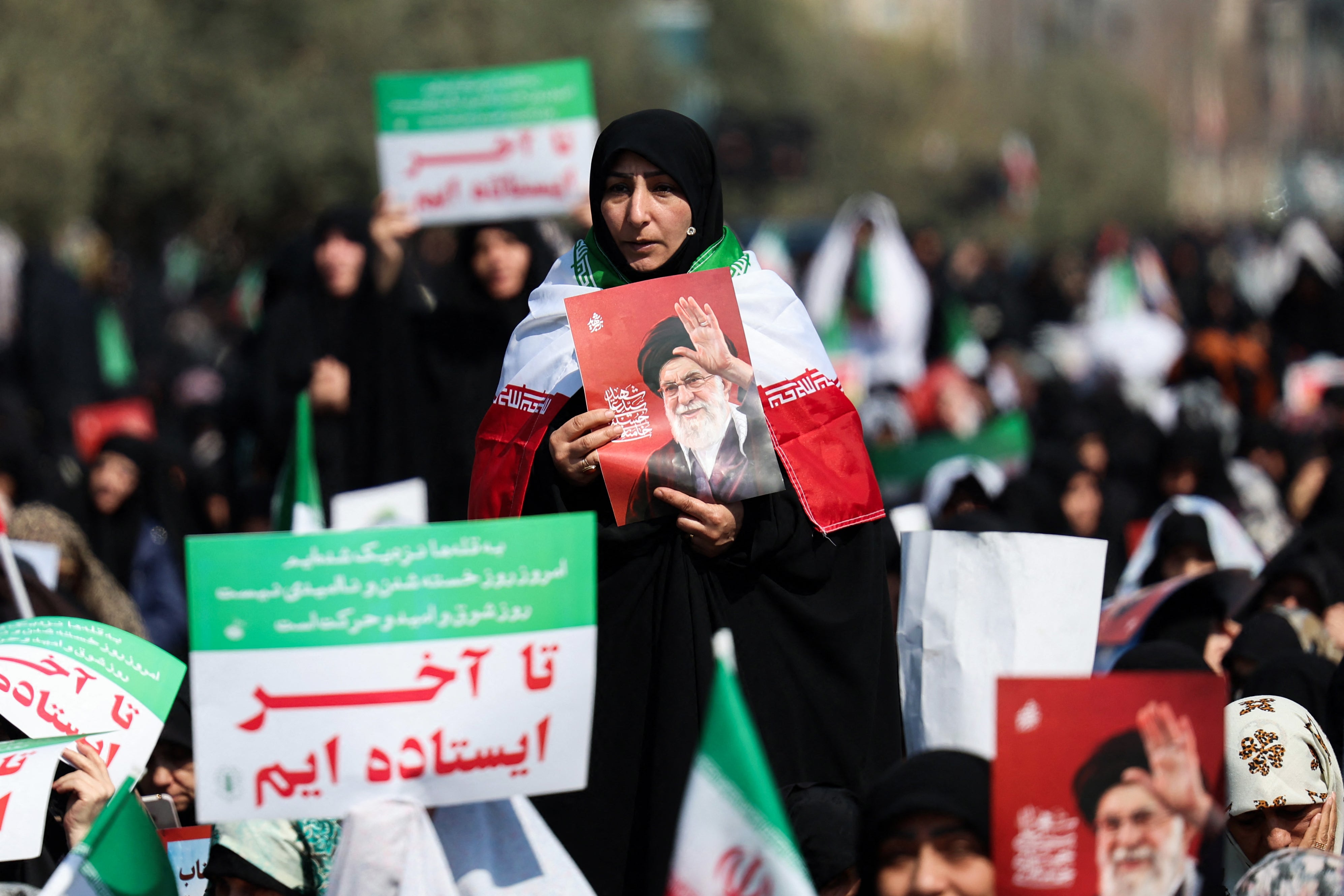
The conflict in Iran does not appear to be ending any time soon, as the president has said he will not back down unless Iran agrees to an “unconditional surrender.”
The terms of this surrender are not entirely clear, as the president has not set any specific objectives for Operation ‘Epic Fury’ other than that he wants to have a say in who the next ruler of Iran will be.
Markets were spooked on Friday morning when Qatar's Energy Minister Saad al-Kaabi said global economies could be brought down if oil prices rise to $150 a barrel.
The last major global surge in oil prices was when oil cost $116 a barrel after Russia launched its full-scale invasion of Ukraine. If oil prices continue to rise, this could result in a return of mass inflation, something Trump campaigned against in 2024.
Nigel Farage heads to Mar-a-Lago to discuss Chagos deal with Trump
A boost for Moscow in the shadow of Iran war: US allows India to buy Russian oil for a month
Trump demands ‘unconditional surrender’ from Iran as war escalates with oil crisis
I’m an expert on global relations. Here’s how Iran chooses next supreme leader
The real threat from a Hormuz closure isn’t an oil shortage but a global food crisis
How the Iran war shows End Times religious fervour gripping Washington and Tehran