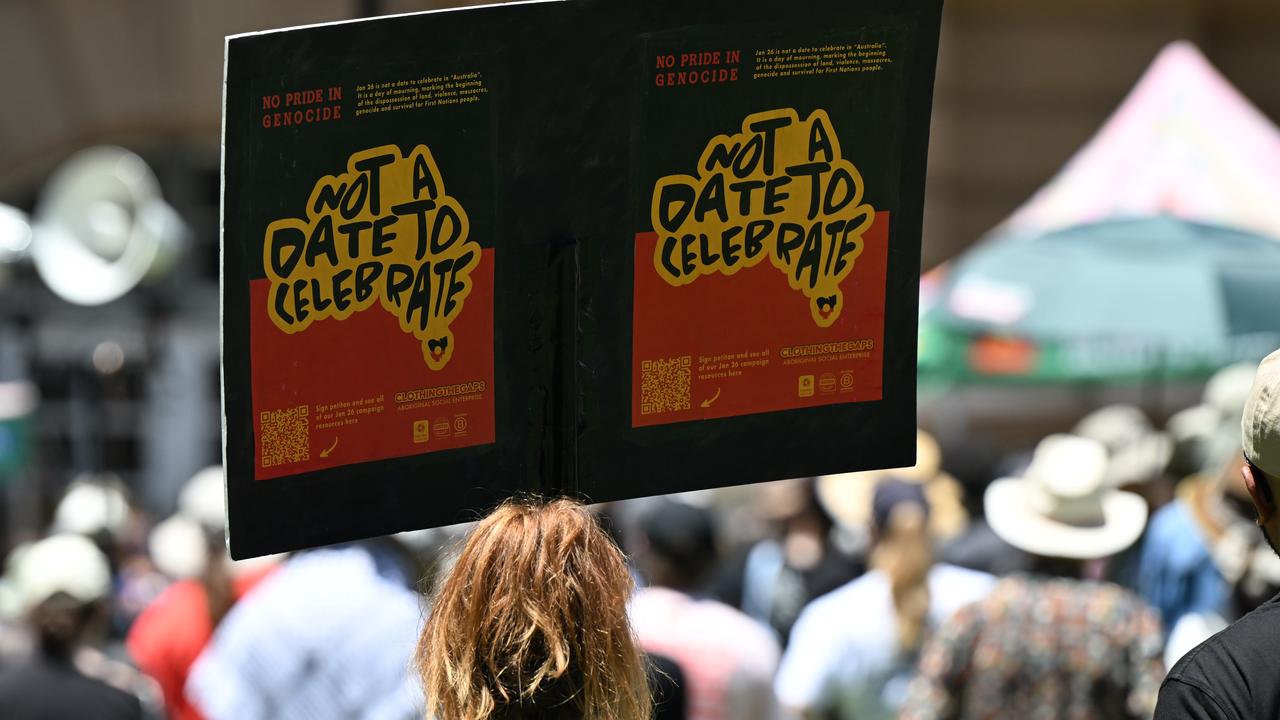
Authorities have defended the time it took for a failed Invasion Day rally bombing to be declared a terrorist act, as details emerge about the accused's "pro-white" ideology.
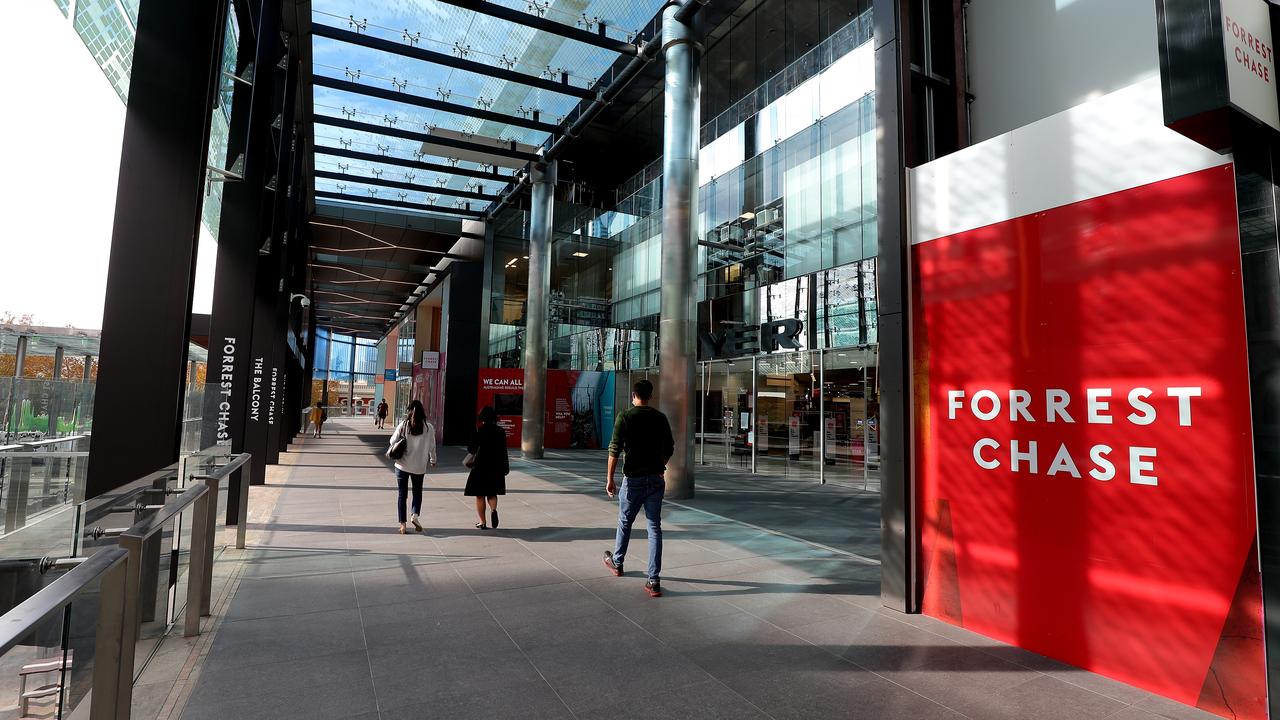
Thousands of people were evacuated from Forrest Place in Perth's city centre on January 26 after police found an object containing volatile chemicals, nails and metal ball bearings.
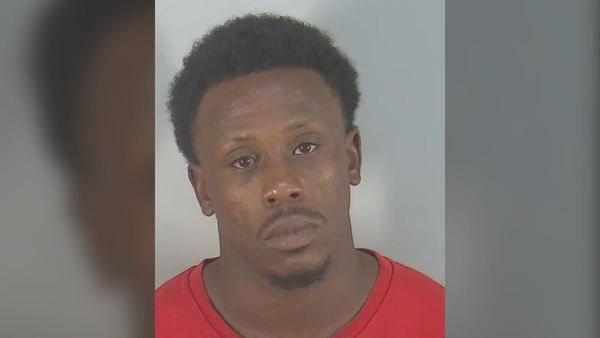
The explosive device, which did not detonate despite a fuse allegedly being lit, was thrown at the 2500-strong crowd of Indigenous people, families and supporters by a 31-year-old man on a walkway above, police allege.
West Australian Premier Roger Cook confirmed state and federal agencies had determined the incident to be an act of terror - the first in the state's history.
"Any attack on our First Nations people is an attack on all of us, and this is not what it means to be Australians," he said on Thursday.
"We have every right to be angry but we must allow police to complete their investigation so the justice process can take place."
Charges against the accused man, who remains in custody, have been upgraded to engaging in a terrorist act.
If found guilty, he faces life behind bars.
Police will allege the incident was a nationalist and racially motivated attack targeting First Nations people at the protest.
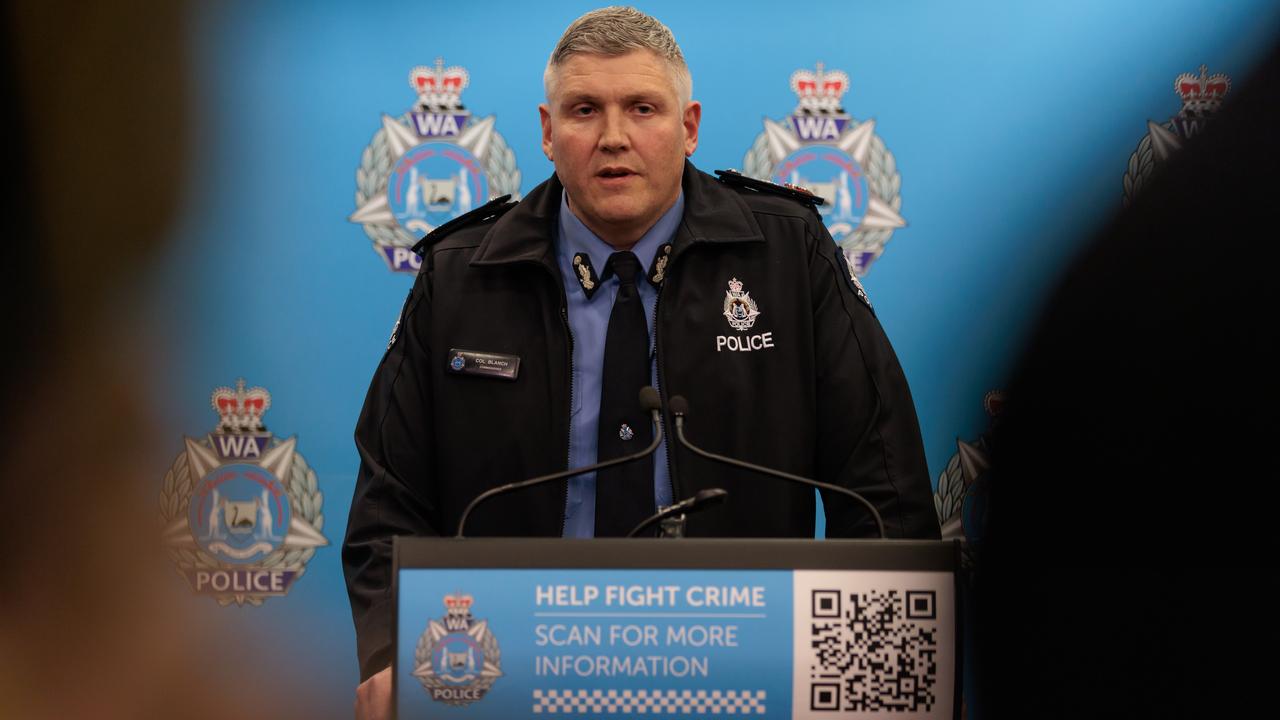
WA Police Commissioner Col Blanch said the man, whose name has been suppressed by the courts because of fears for his safety in custody, was self-radicalised and acted alone.
He had allegedly accessed "bomb making instructions" and "pro-white male" material online and was "accessing and participating in the ideology".
"The attack on Aboriginal people and other peaceful protesters was motivated by hateful, racist ideology,'' he said.
Police had no intelligence about the man or the threat he posed before the incident, but said there was no ongoing risk to the community.
In the days following the incident, Indigenous groups criticised authorities for not immediately declaring it a terrorist act and not taking it seriously amid cries of double standards and racism.
Mr Blanch defended the nine-day delay, saying investigators needed to gather evidence on the alleged bomber's motivation and ideology so it could be legally proved in court.
He also pushed back at suggestions police communications could have been better in the wake of the incident, saying a terrorism investigation was announced two days after the alleged attack.
Australian Federal Police Commissioner Krissy Barrett said a significant amount of investigative work was needed to meet the threshold for a terror offence.
"The (joint counter terrorism team) has done this quickly and without delay," she said as she praised the people involved for their hard work.
Prime Minister Anthony Albanese condemned the attack as being driven by racism and hatred.
"The device did not detonate, but that does not change the fact that this attack was real and the intended consequences would have indeed been horrific," he told federal parliament following the declaration.
"I know that First Nations people around Australia are grappling with that, the combination of disbelief, anger and real fear."
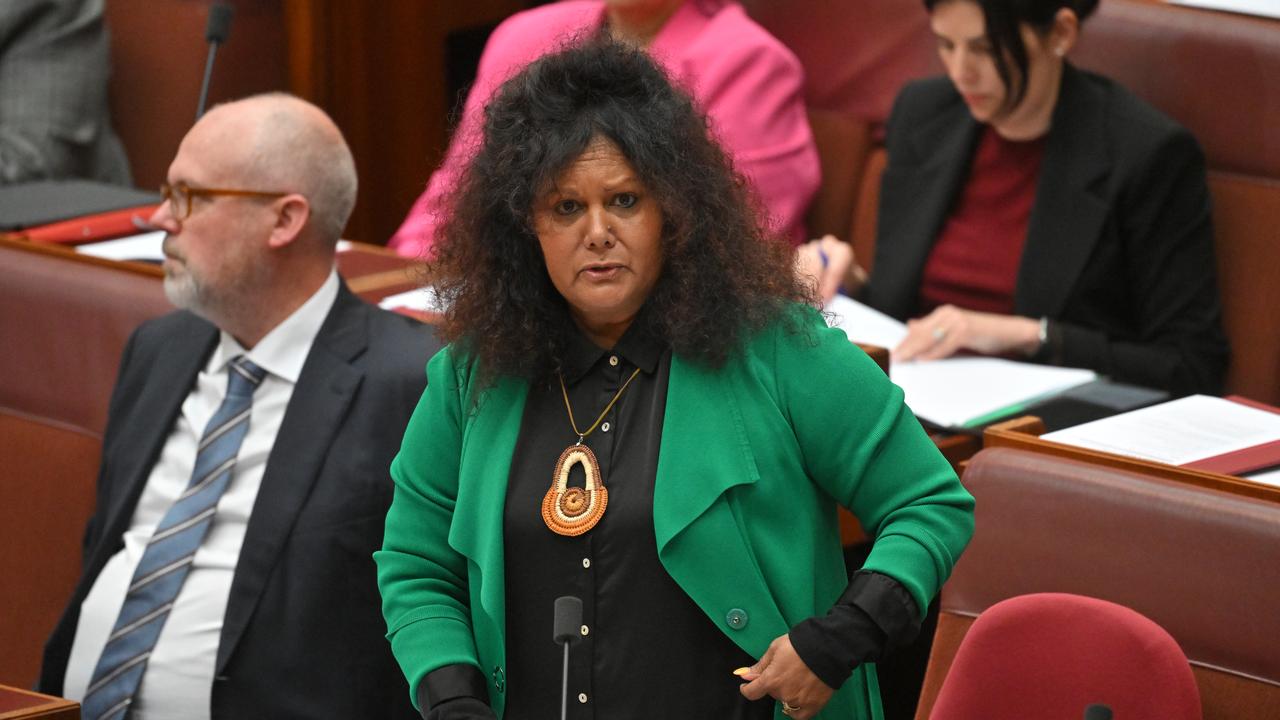
Federal Minister for Indigenous Australians Malarndirri McCarthy said First Nations people across the country were scared and angry in the wake of the attempted bombing.
"We all want to be safe. We all want to know that we can protest in an environment where we don't have to be looking over our shoulder or looking around to see if someone's going to hurt us or violently attack us," she said.
"So there's a fair bit of work to take place in coming months in terms of that kind of healing, in terms of the social cohesion that we require, not just in Western Australia, but right across Australia."
The man is scheduled to return to court on February 17 to face the new charge against him.
13YARN 13 92 76
Lifeline 13 11 14