I don’t know about you but I constantly keep hearing about interior design rules, both old and new, many of which I end up writing about for Ideal Home. And some of them I also follow myself. But this got me wondering what design rules interior designers actually follow. So I asked them.
Whenever I speak to interior experts about design rules, they usually say that none of them should be hard and fast rules that feel constricting. Instead, they should act as guidelines if you’re not particularly confident or experienced in decorating and designing a home. But there are 2 rules that have come up that even interior designers respect and follow, whether it’s in regard to colour theory or creating a space that feels layered, interesting and functional.
‘The best design decisions are based on a combination of guidelines from a design and function perspective, as well as personal preference, but rules like this can help alleviate some of the stress when it comes to making design and styling decisions,’ says Emma Deterding, founder and creative director at Kelling Designs.
1. Rule of three
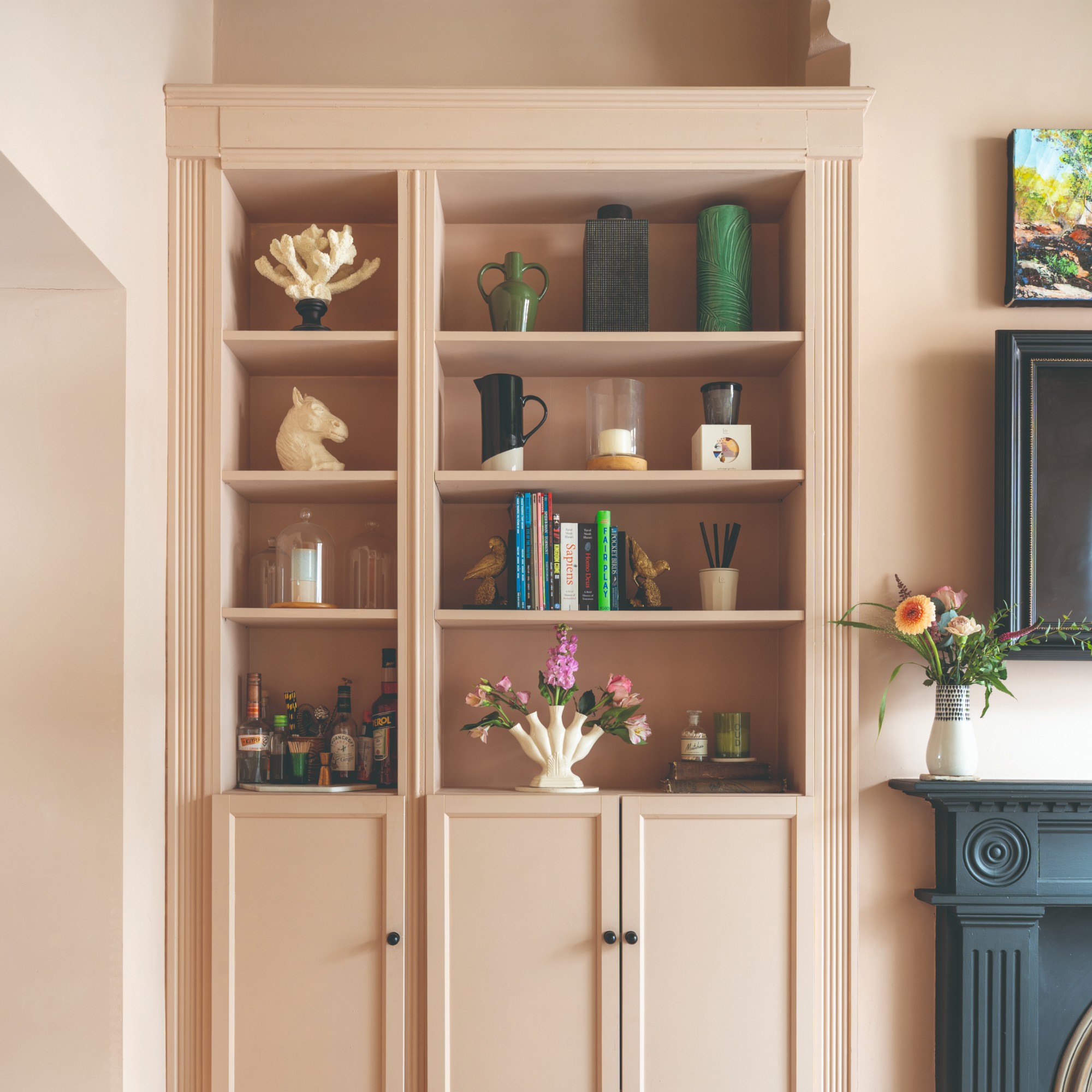
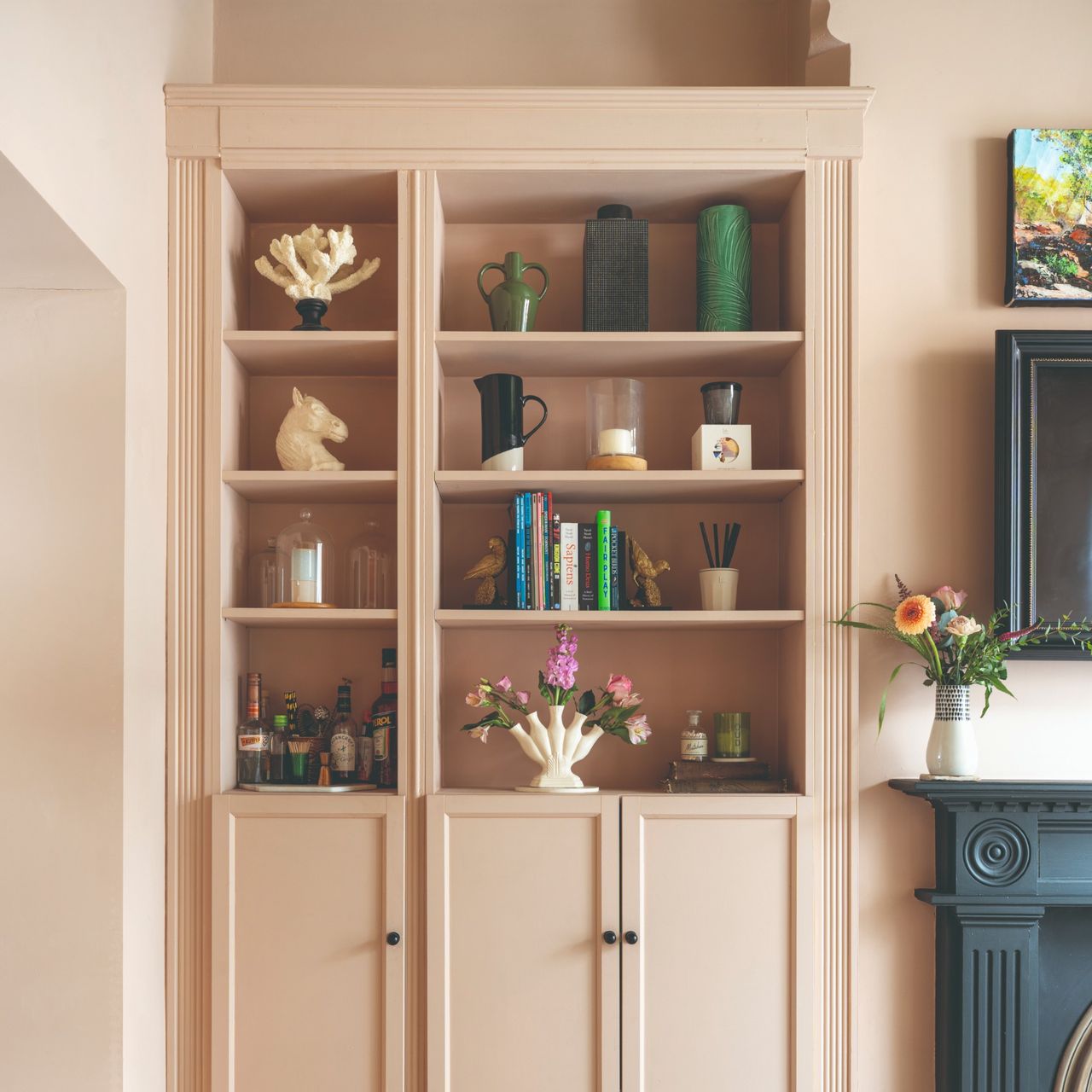
The rule of three dictates to group decorative items in groups of three, rather than even numbers like two or four, because it looks more eye-catching and aesthetically pleasing when it’s three or an odd number – the extension of the rule of three is the 3-5-7 styling rule which is also referred to as the ‘rule of odd numbers’. It’s a rule that just works, and even interior pros know this.
‘The rule I love to follow is the rule of three. It's a guideline that centres around grouping or using elements or items in threes to create a harmonious and balanced design. It's based on the principle of odd numbers, which is that grouping objects in threes or odd numbers makes it more beautiful than grouping items in even numbers. The rule can be applied to a variety of design elements, be it colour, texture, pattern or form,’ Emma at Kelling Designs explains.
Emma goes on to say how to apply the rule to using colour in a room, which is essentially the 60-30-10 colour rule. ‘With colour in particular, the rule breaks down to having three colours, with a dominant colour at 60% usage, secondary colour at 30% and then an accent colour taking up the remaining 10% of colour in a space.’
2. 3 Fs of interior design
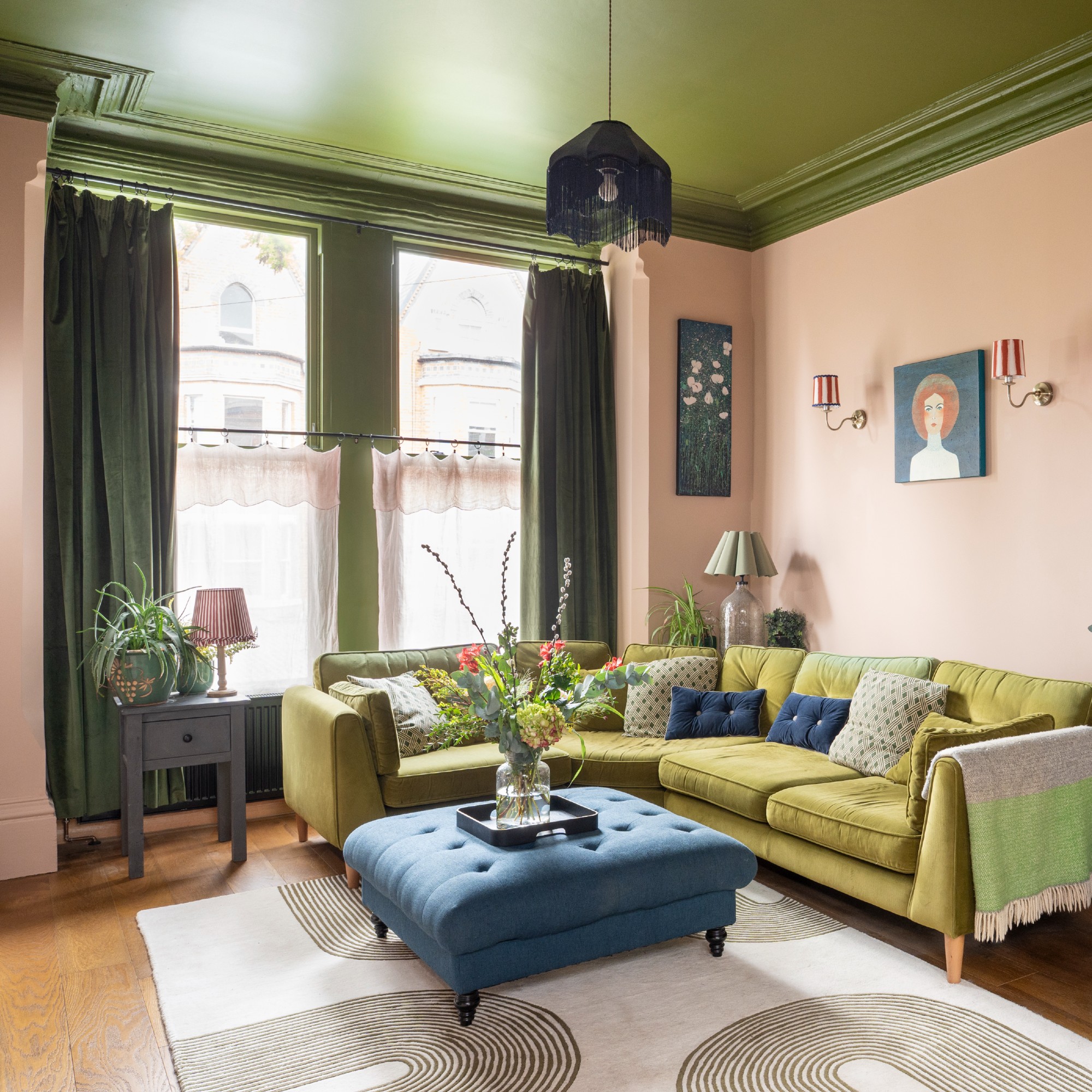
‘We always start with how a space needs to work before thinking about how it will look,’ says Sophie Chapman, associate and interior designer at The Vawdrey House.
This is something I’ve heard from many interior designers and which translates to the 3 Fs of interior design – a rule that asks you to consider the function, feel and flow of any room you’re designing to inform your decorating decisions.
Sophie continues, ‘Good spatial flow, natural light, proportion and understanding how the client actually lives are fundamental, because if those elements aren’t right, no amount of decoration will solve the problem.’
But most pros regularly break many of the other traditional design rules, as interior designer Bilal Rehman points out, 'Some of the best interiors come from creating a little tension. A room shouldn’t feel like it was designed according to a checklist – it should feel collected, personal and slightly unexpected.' And you shouldn't be afraid to do the same.