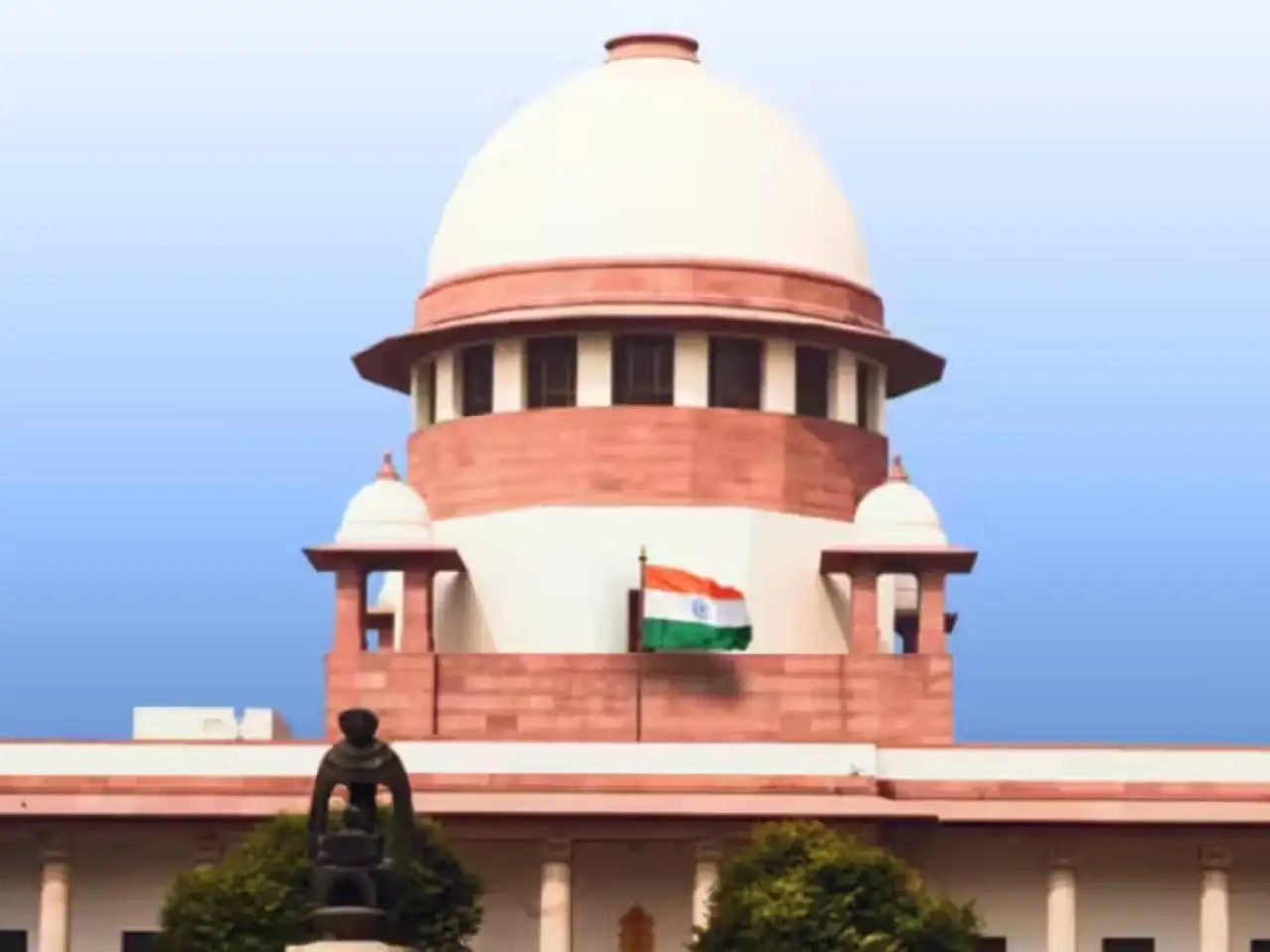
The Supreme Court on Thursday ruled that insurance companies cannot be held liable to pay compensation in motor accident cases if the offending vehicle was being driven without a valid or renewed driving licence at the time of the accident, while urging the Centre and states to launch a nationwide awareness campaign on the importance of maintaining valid licences.
A bench of Justices Sanjay Karol and N Kotiswar Singh said that driving without a valid licence could leave vehicle owners and drivers facing substantial compensation liabilities in accident cases, underscoring the need for stricter compliance with licensing norms.
"The Ministry of Road Transport and Highways, Government of India, as also the respective counterparts of the states should... undertake campaigns through all mediums such as awareness drives, social media, etc. to drive home this importance; introduce measures to ensure strict compliance; and also streamline the process of issuance/renewal of licences," Justice Karol, who authored the judgment, said.
The court also called for urgent reforms in regulating driving schools, improving their affordability, and making driving licence applications and tests accessible in regional languages.
The ruling came while setting aside a Punjab and Haryana High Court order that had held Reliance General Insurance Co. Ltd. liable to pay compensation in a 2009 road accident case.
The case involved an accident in which a vehicle driven by Om Parkash hit a two-wheeler. The Motor Accidents Claims Tribunal (MACT) had initially ruled that the insurer was not liable because the driver's licence had expired well before the accident and was renewed only much later.
However, the High Court reversed the decision after relying on a letter from a licensing authority stating that records between 2007 and 2010 had been lost due to a technical error during data migration. It subsequently directed the insurer to pay revised compensation of over Rs 1.08 crore.
The Supreme Court found the High Court's reliance on the "missing data" explanation to be flawed and restored the finding that the insurer could not be saddled with the ultimate liability where the driver did not possess a valid licence.
At the same time, the bench invoked the "pay and recover" principle to safeguard the interests of the claimants. It directed the insurance company to first pay the compensation awarded and then recover the entire amount from the vehicle owner and the driver.
The court acknowledged that recovering such a large amount from an owner or driver would impose a "humongous burden", but said the situation highlighted the importance of ensuring that driving licences remain valid.
"It may throw into disarray their entire lives all because the driver and the owner did not take adequate precaution to ensure that there was no break in the validity of the driving licence. Had that been done, the burden would not have fallen upon them, and the appellant-insurer would have been bound to honour the award," the bench observed.
Stressing that a driving licence certifies a person's ability to drive on public roads, the court said the judgment underscored the need for greater public awareness and stronger compliance with traffic laws across the country.
(With inputs from PTI)