Highgate Cemetery in London, the final resting place for figures such as Karl Marx, Lucian Freud, and George Michael, has secured a significant £6.7 million grant to combat the escalating threats posed by climate change.
The National Lottery Heritage Fund awarded the substantial sum to the Friends of Highgate Cemetery Trust, the charity responsible for the upkeep of the historic site.
This funding forms a crucial part of a wider £19.5 million initiative designed to address the impacts of environmental damage, including ash dieback disease, restore neglected areas, and enhance both public access and community involvement across the cemetery.
This five-year endeavour marks the initial phase of an ambitious 25-year "masterplan" dedicated to preserving the heritage-rich and nature-filled grounds.
A primary concern is the increasing severity of winter rainfall, exacerbated by climate change, which is compounding years of deferred maintenance from the site’s previous ownership prior to 1975.
Much of the work, such as a new drainage system, will be largely unseen to the visitors who value its romantic, overgrown look as a “place apart from the everyday”, according to Dr Ian Dungavell, chief executive of the Friends of Highgate Cemetery Trust.
He said: “This grant is a vote of confidence in plans that will preserve what makes Highgate Cemetery special and respect the needs of grave owners, while opening it up to many more people.”
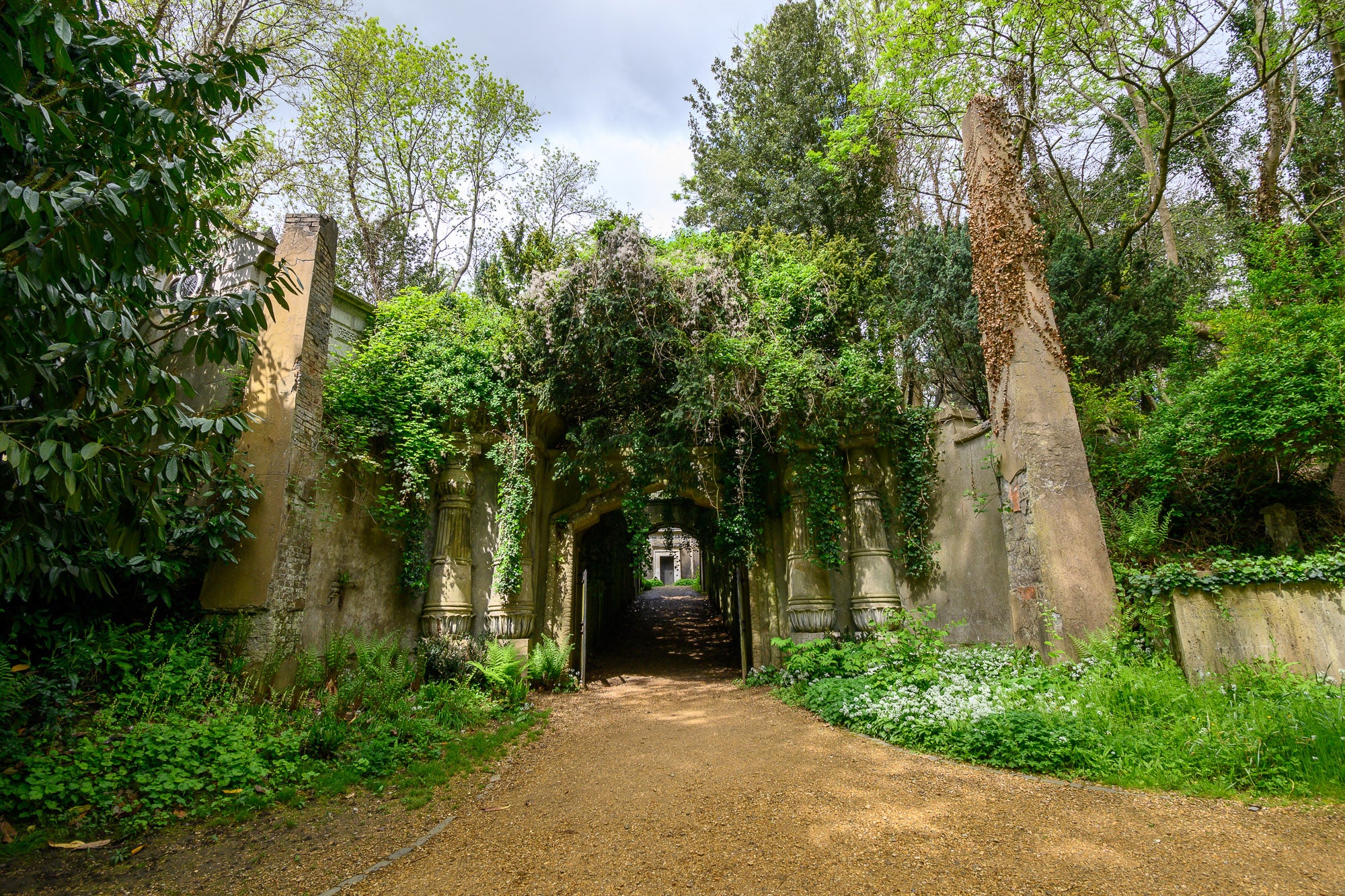
The project will improve drainage to reduce waterlogging from heavy rain and capture water for use on the site, improve the condition of paths, remove some trees hit by ash dieback disease to open up areas for other plants to come through, and enable new, climate-resilient, planting.
There will also be improvements to the courtyard at the front entrance to the cemetery to make it more accessible, more toilets and a new “living room” venue in the Dissenters’ Chapel opening at the end of the year which will host workshops and displays.
Conservation work will restore the Grade I-listed Egyptian Avenue and Circle of Lebanon, key heritage features of the cemetery, including reinstating one of the obelisks which flank the entrance to the avenue.
And work to repair the roof of the Grade II* Terrace Catacombs will allow people to go up and see the views of London across towards St Paul’s Cathedral for the first time in half a century.
This will allow them to experience the “wonderful contrast between the land of the dead and the reflective landscape at their feet and the land of activity, the land of the living in the distance, which the Victorians felt was a really interesting contrast for people to meditate on”, Dr Dungavell said.
The project, which still needs around £1 million over five years to meet the £19.5 million cost, will also work to open up the site in new ways, from reflective walks for mental health, and work experience placements, to telling more stories of the cemetery and the 170,000 people buried there, he said.
Eilish McGuinness, chief executive of the National Lottery Heritage Fund, said: “This support from National Lottery players will safeguard this nationally important, much-loved cemetery and its monuments for the future as well as make it a welcoming place of contemplation and beauty for all who visit.
“It will help increase community involvement by offering more learning, wellbeing and creative activities and an improved visitor experience.
“It will also make it a resilient organisation with the capacity to look after the cemetery for future generations.”