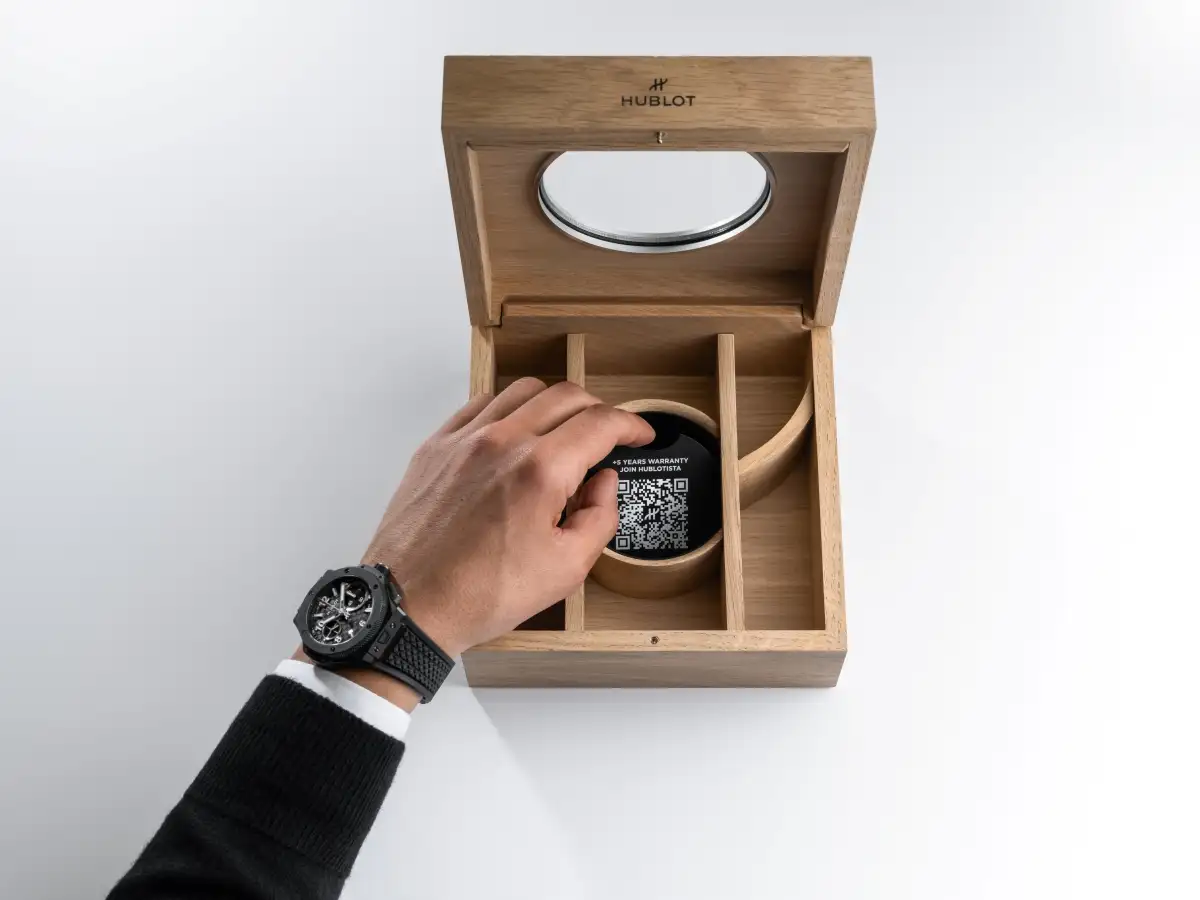
In an evolving luxury landscape, haute horlogerie, a French term signifying the pinnacle of fine watchmaking artistry and high-precision mechanical craftsmanship, is increasingly judged on structural independence and long-term mechanical resilience rather than surface aesthetics. Discerning collectors are shifting focus toward true manufacturing autonomy, expecting timepieces powered by proprietary, in-house engines over outsourced components.
The global watchmaking sector has witnessed a clear paradigm shift: ownership value is no longer defined solely by decorated cases or hand-finished dials, but by the operational integrity of the calibre beating within. Modern manufacturers that establish complete control over design, metallurgy, and assembly insulate themselves from supply chain reliance while offering collectors unprecedented reliability. In this context, Hublot watches emerge as a primary force behind this transition, demonstrating how a multi-decade commitment to technical self-sufficiency has established a new benchmark for modern luxury watchmaking.
The mechanical revolution of the Unico engine
This macro shift provides a natural perspective on Hublot’s core engineering milestone: the UNICO calibre, the brand's signature in-house flyback chronograph movement designed entirely from scratch to integrate complex mechanics directly with openworked aesthetics. Unveiled as a testament to manufacturing independence, the Unico was conceptualised from a blank sheet of paper to challenge centuries of traditional movement geometry.