In London last Saturday, around 700,000 UK and EU nationals took to the streets for the biggest protest march since the eve of the Iraq war. Politicians from all parties joined protesters’ demands for a “people’s vote” on the final terms of the Brexit deal. This came during a week when prime minister Theresa May had returned practically empty-handed from an EU summit that was supposed to reach a deal. In this week’s cover package, Tim Adams speaks to those on the march, Brexit correspondent Lisa O’Carroll asks what the endgame looks like, and Toby Helm analyses the – possibly fatal – position it puts May and her party in.
The Guardian’s Beijing bureau chief Lily Kuo has been reporting over the last few months on “re-education camps” in the north-western Chinese province of Xinjiang. Last week, the camps were opened up to state media as the ruling Communist party attempted a spot of rebranding. On page 17, Kuo asks if the party regained the narrative around these secretive, de facto prisons for China’s Muslim population by describing them as places offering “free vocational training”.
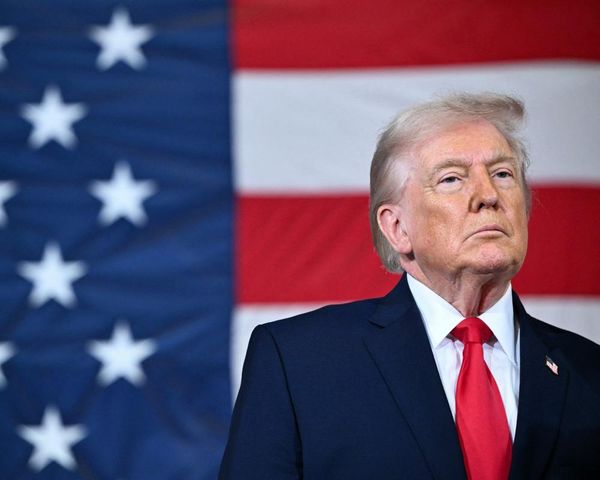
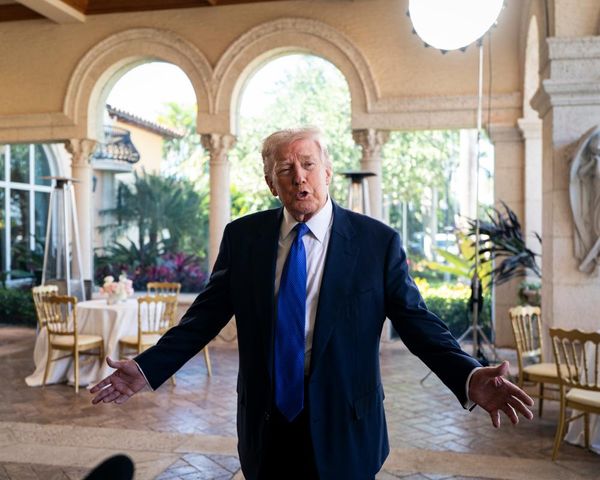
On 6 November, Americans head for midterm elections, the US’s biggest vote since Donald Trump became president. The implications may be huge, especially if Democrats can beat the odds to take both the House and the Senate. But for 1.5 million Floridians something even bigger is at stake: the right to vote. Before a referendum that could result in the re-enfranchisement of Florida’s former felons, on page 24, Oliver Laughland travelled to Tallahassee to hear one woman’s story.
As Martin Chulov reported in last week’s issue, the Saudi state is at the centre of the world’s attention after the brutal murder of Jamal Khashoggi.
On page 45, Guardian columnist Jonathan Freedland writes that, in death, Khashoggi is helping to achieve his life’s mission of exposing the darkness at the heart of the House of Saud. As the kingdom comes to terms with being held to account, Freedland writes, so should western allies who have not only looked away from Saudi abuses but also helped arm the country to the teeth. Also in opinion, Indian journalist Rana Ayyub celebrates the downfall of BJP politician Mobashar Jawed Akbar and the arrival of a #MeToo moment in her country.
Finally, years of warnings about what the demise of the bee would mean for humanity have forced many to investigate the impact of pesticides. Would genetically modified superbees be the answer? The answer from bee lovers, in this week’s fascinating long read by Bernhard Warner, is an emphatic “no”.