Innovation in materials: how green goals are enabling sustainable design - in pictures
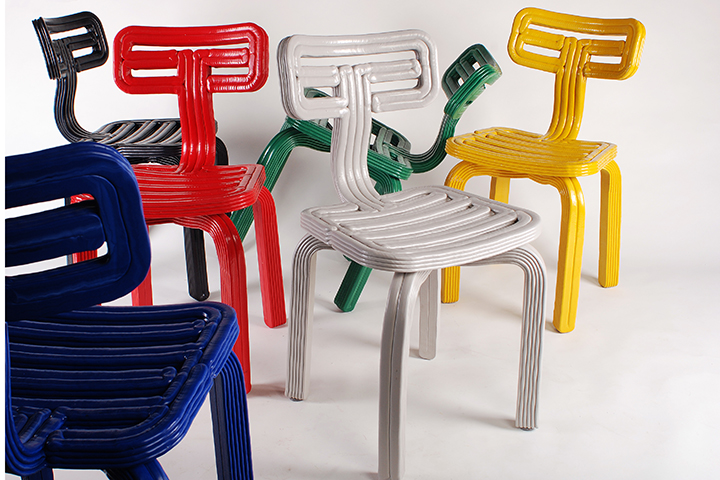
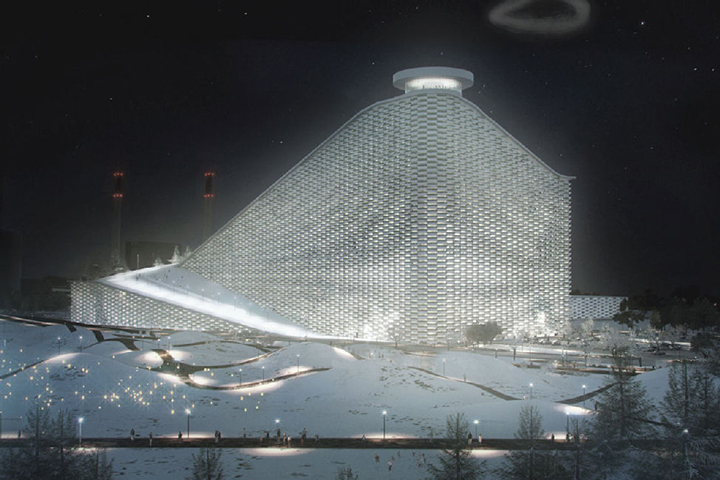
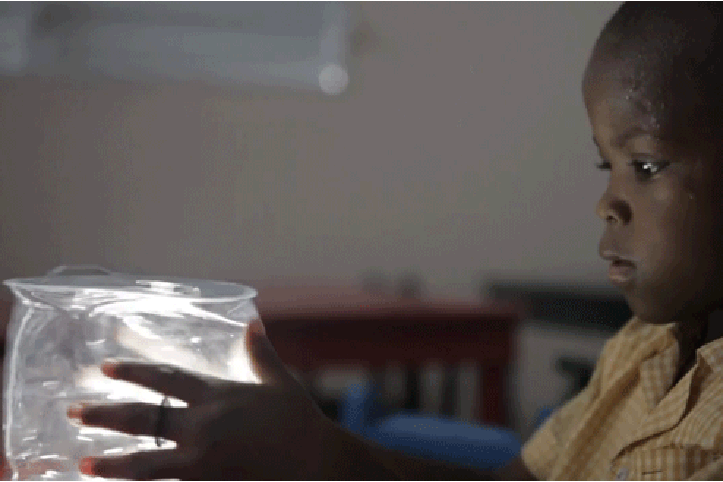
Dirk Vander Kooij’s Chubby Chair is made from recycled refrigerators and e-waste. Dissatisfied with the high cost and energy intensity of conventional injection molding, Vander Kooij began experimenting with 3D printers as a student at the Netherlands’ Design Academy Eindhoven in the late 2000s. The designer was drawn to 3D fabrication, in part, because the process yields very little waste and can use recycled inputs, but was frustrated by 3D printers’ limited production size. He repurposed an industrial robot and programmed it to execute precise 3D extrusions. Kooji’s chairs and tables are extruded from a single flow of molten plasticPhotograph: Studio Dirk Vander KooijThe Amager Bakke Waste-to-Energy Plant, on which construction began in March, is intended to be a bigger, cleaner replacement for an older power plant on the same site on the outskirts of Copenhagen, Denmark, when it comes online in 2016. As this rendering shows, the power plant will be topped by a ski slope, which will snake from the roof to a park below. The €470m ($611m) facility will burn municipal waste from some 500,000 residences and 46,000 companies, generating 60MW of power and heat – enough to supply 150,000 homes. Designers at BIG (short for Bjarke Ingels Group) also want the design to increase citizens’ awareness of climate change and energy use. Each time the plant generates one ton of carbon-dioxide emissions, its smokestack will release a 30-meter wide smoke ring, which will be illuminated at nightPhotograph: Bjarke Ingels GroupMPowered is tackling the problems of “light poverty” – 1.3 billion people worldwide lack access to electric lighting, which reduces household income and students’ study time – with Luci, its solar-powered, rechargeable LED lantern. Inflated like a balloon or pool toy, the simple lamp can be used as a task light, flashlight and diffuse lantern. Exposing its small patch of solar cells to the sun for eight hours powers its 80-lumen bank of 10 LEDs for up to 12 hours, and – unlike widely used kerosene lamps – produces no harmful emissions. When not in use, the lamp folds into a handerchief-sized pouch. It's also light (4.5 oz) and flat-packable, cutting transportation costs and associated emissions. The company devotes a share of every full-priced sale ($14.95 via MPowered.com) to subsidize prices in low-income marketsPhotograph: MPowered
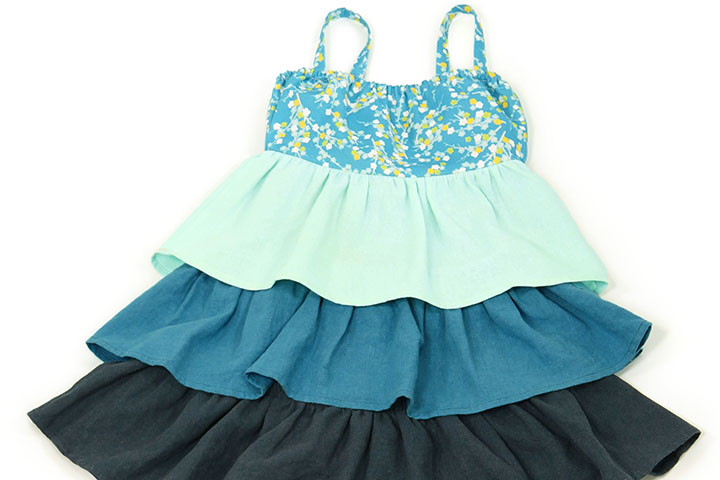
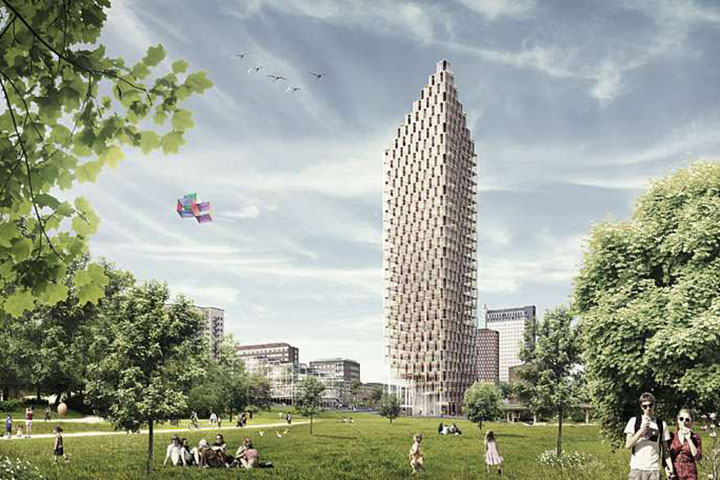
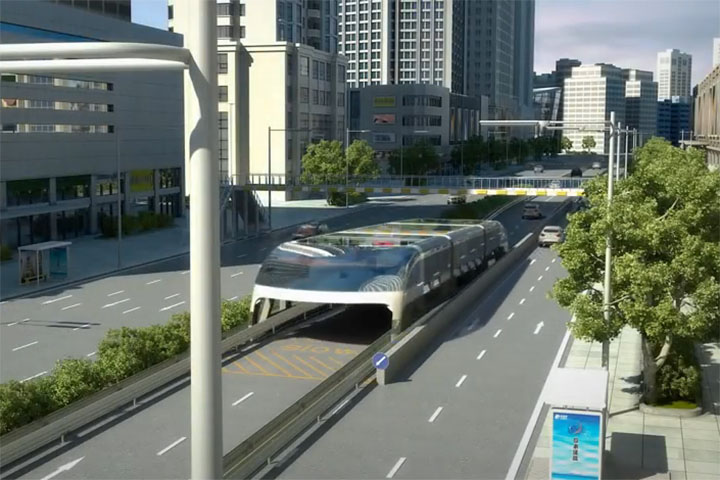
It may be an unparalled joy to watch children grow, but all that growing also requires a whole lot of clothing. Aiming to cut the waste from children outgrowing their duds, Ashlie Kodsy and Erica Murphy founded Nula. The company makes stylish, modular clothes designed to grow alongside their wearers with the addition of new pieces or the loosening of straps. With a focus on longevity – such as super-durable fabrics – Nula’s approach can extend the useable life of a child’s garment by up to three years. In spring 2014, Nula will launch its line of girls’ sizes 2 through 8, all made in California using organic fabrics and non-toxic dyesPhotograph: NulaIn the past century, energy- and resource-intensive materials such as steel and concrete have usurped wood’s role as mankind’s main building material. Wood just couldn’t support the tall towers that define city life – until now, that is. Advancements in super-strong engineered wood beams are lifting wood to new heights. Led by architects CF Møller, a Scandinavian team has designed a wooden skyscraper that, at 34 stories, would dwarf today’s record holder. If it wins the public housing competition, the tower will open in 2023. Møller predicts that the wood-based design will not only lower the tower’s environmental impact, compared with conventional materials, but also cut its total construction costPhotograph: CF MøllerAs urban congestion grows steadily worse, cities are hunting for ways to boost roads’ throughput – at a lower price than subways. Now China is advancing a design that rolls above roads: a high-capacity articulated bus that straddles the roadway, letting regular vehicles pass underneath. Sound too far fetched? China TBS in February released a video of a “straddling bus”, which it also called a "land airbus". The video illustrates the bus' potential operation on congested streets – complete with escape chutes, in case of an accident. (This image is a screengrab from the video.) Based on early estimates, the company predicts the design could cut road congestion by a third, at a tenth of the cost of a conventional subway. But it’s a long way from a rendering to realityPhotograph: TBS China
Sign up to read this article
Read news from 100’s of titles, curated specifically for you.