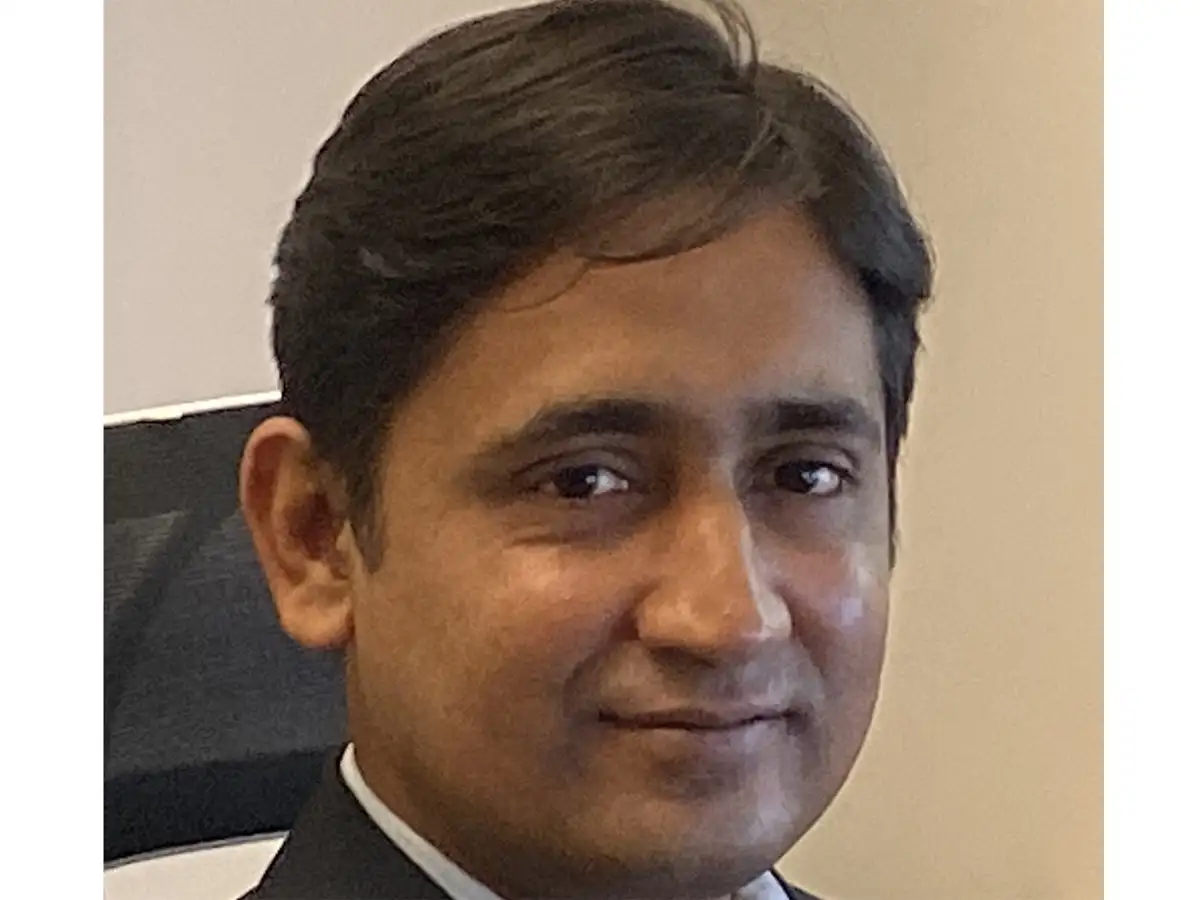
The cloud hanging over Indian consumers may finally be lifting. With a US-Iran deal potentially removing oil price pressure, falling interest rates, and tax cuts already in motion, Ashi Anand, Founder & CEO of IME Capital, believes consumption is set for a meaningful recovery after two years of being stuck in neutral.
"Consumption is clearly an interesting theme," Anand told ET Now. "After a couple of years of subdued traction, it is a space that should be quite attractive."
Why consumption took so long to wake up
The story of the past two years has been one of slow suffocation. Persistent inflation, elevated interest rates, and higher home loan EMIs quietly squeezed household wallets. Discretionary spending took a back seat. FMCG volumes stagnated. Even consumer durables, typically resilient, lost their shine.
But the environment is shifting. GST cuts, income tax relief at the lower end, and a rate-cutting cycle now underway are collectively rebuilding consumer confidence. The removal of the oil price overhang — if the US-Iran deal holds — could be the final piece of the puzzle. Anand sees this as a broad-based recovery, not limited to one segment, spanning FMCG, discretionary, and beyond.
Bata gets new management, but don't celebrate yet
Footwear major Bata India grabbed attention this week with the announcement of new management. Anand, however, urges caution.
"You do not re-rate on the basis of new management. You need to see what the strategy is and, very importantly, the actual execution on ground."
He points out that Bata has been promising a revival since 2003-04 without delivering on its potential — despite owning a powerful brand and one of India's strongest retail distribution networks. The new team deserves a chance, but investors would do well to wait for concrete results before getting excited.
Exchanges: A multi-decade structural bet
Anand is far more unequivocal on capital market intermediaries, particularly stock exchanges. He frames BSE and the upcoming NSE IPO not as cyclical plays but as generational investments.
The logic is simple: exchanges are platform businesses with deep network effects. Once buyers and sellers entrench themselves on a platform, displacing it becomes near impossible — as NSE's decades-long dominance demonstrates. More importantly, India's financialization story is still in its early chapters.
"The bulk of Indian wealth is still held in real estate, fixed deposits, and gold," Anand noted. "You are likely to see a multi-decadal shift towards financial securities."
The one caveat: direct brokers remain a watch-out given SEBI's ongoing crackdown on F&O trading, which introduces regulatory uncertainty that keeps Anand cautious on that sub-segment specifically.
Nykaa: Not just a platform, but the platform story
Perhaps the most conviction Anand expressed was on Nykaa, which sits among the top four holdings in IME Capital's portfolio. His bullishness isn't company-specific, it's tied to a much larger structural shift.
New-age digital platforms, he argues, are simply better equipped to serve modern consumers than traditional businesses. Whether it's fashion, financial services, or recruitment, younger consumers increasingly default to digital-first brands. Nykaa's omnichannel presence, including physical stores, is anchored and amplified by its online engine rather than competing with it.
"This is the theme of the decade," Anand said, "not just for Nykaa but pretty much for most digital platforms."