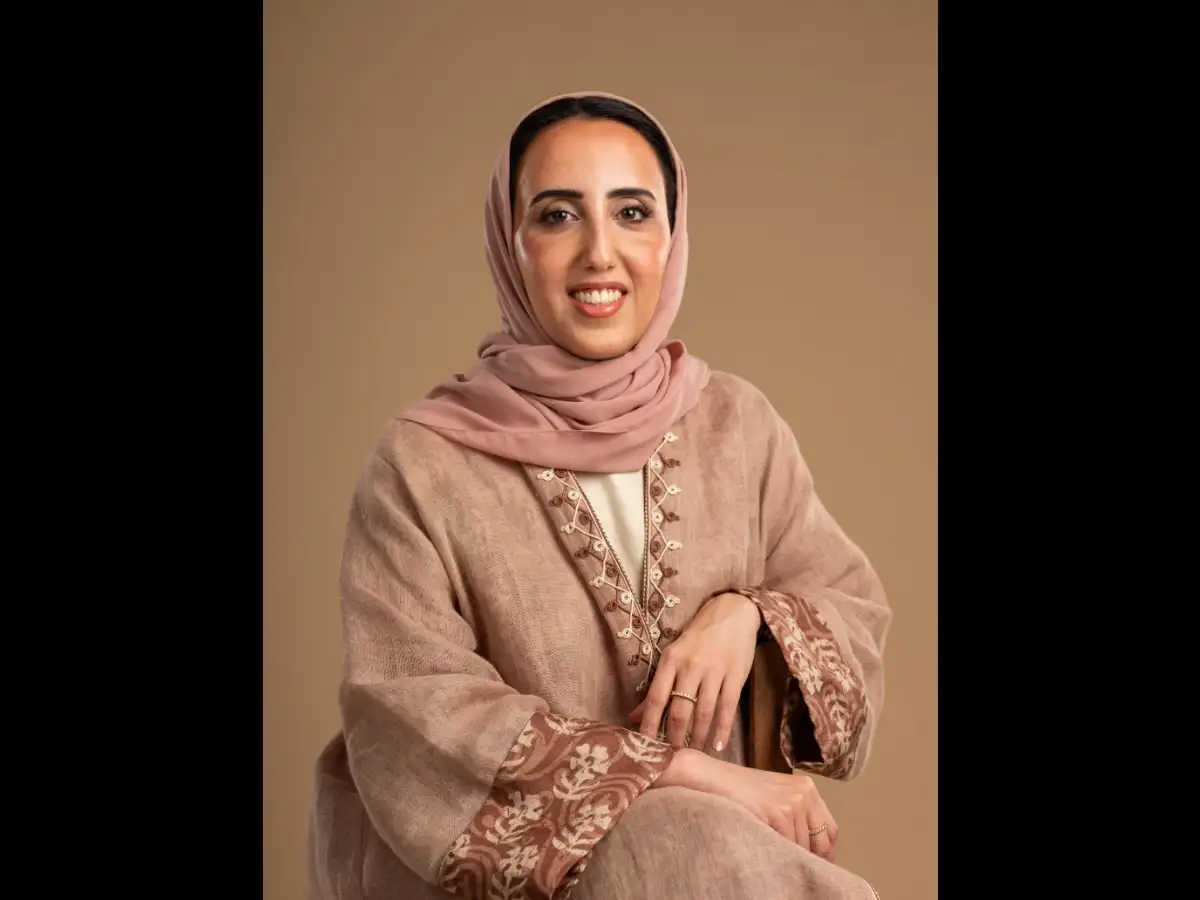
The India-UAE relationship is increasingly extending beyond trade and investment into entrepreneurship and innovation, with startup ecosystems playing a growing role in creating opportunities for founders in both markets. For Indian startups, Abu Dhabi is positioning itself as a base to test, validate and scale businesses into the Middle East, Asia and Africa. Basma AlBadi AlDhaheri, Head of Value Creation at Hub71, spoke to ET Online about what is driving Indian founders to consider Abu Dhabi, how the India-Abu Dhabi startup corridor is evolving, and the support startups need as they expand into international markets. Edited excerpts:
ET: As more Indian startups look beyond the domestic market, what factors are driving founders to consider Abu Dhabi as a base for international expansion?
Basma AlDhaheri: Founders today have more choice than ever about where they build and scale their businesses. They are making location decisions based on where they can access capital, the right partners and the conditions to build for scale, and Abu Dhabi is increasingly attractive because it offers exactly that. Alongside a deep and growing investment ecosystem, founders are looking for a stable base, progressive regulation, commercial partnerships and a connected ecosystem that can help them test, validate their products and services and expand into new markets across the Middle East, Asia and Africa. That is where Abu Dhabi stands out. It combines market and capital access with a supportive ecosystem that helps founders build their businesses with credibility from day one.
We are already seeing that demand in the numbers. In H1 2026 alone, we received over 3,700 applications from outside the UAE. Once founders are here, they integrate into a broader ecosystem of leading capital, market and government partners, creating clear access to potential customers and commercial partnerships. For Indian startups, that's a compelling proposition.
ET: How do you see the India-Abu Dhabi startup corridor evolving, and what role can innovation ecosystems play in strengthening broader economic ties between the two markets?
Basma AlDhaheri: The relationship between India and the UAE has long been built on strong trade, investment and business ties. We've seen that collaboration extend into entrepreneurship and innovation, creating new opportunities for startups in both markets. India is home to a globally recognised startup ecosystem; combined with Abu Dhabi's growing innovation ecosystem, Indian founders have a strong foundation to expand internationally.
Innovation ecosystems play an important role because they turn those broader economic relationships into practical opportunities for founders. Building on the wider collaboration between the UAE and India under CEPA, initiatives such as the UAE-India Startup Series have created structured pathways for Indian startups to engage directly with investors, corporates and ecosystem partners in Abu Dhabi. Those early engagements give founders a better understanding of the market, open the door to commercial opportunities and help build the relationships that support long-term growth across both markets and beyond.
ET: Many founders today are looking for more than just access to capital. What are the key enablers that startups need to successfully scale into international markets, and how does Hub71 support this journey?
Basma AlDhaheri: Capital is important, but once founders start expanding internationally, they quickly realise that some of the biggest challenges are finding customers, understanding a new market and building credibility in a new ecosystem. That's where practical support becomes just as valuable as funding. Having the right introductions, understanding how to navigate the local business environment, and engaging with potential partners early can significantly shorten the time it takes to establish a presence in a new market.
Hub71 creates opportunities for founders to have the right conversations early. Programmes such as Hub71’s Immersion Programme are designed specifically to help founders understand the market, providing tailored market-entry support, ecosystem introductions, regulatory guidance and direct engagement with investors, corporates and government stakeholders. Initiatives such as Corporate Connect and VC Meets also enable startups in our ecosystem to engage directly with investors, corporate partners and strategic partners. Those early conversations often become the opportunities that help startups establish themselves and grow in a new market.
ET: Through initiatives such as the India-Hub71 Start-up Series 2.0 and the inclusion of Indian startups in Hub71's latest cohort, what trends are you observing among Indian founders seeking global growth opportunities?
Basma AlDhaheri: One thing that stands out is how intentional many Indian founders are about international expansion. They're not simply asking, "How do we enter a new market?" They're asking, "Which market is the right fit for our business, and how do we build there in a sustainable way?" Those are very different conversations, and they reflect a much more globally minded approach from the outset.
We are seeing that mindset reflected in the growing momentum behind the UAE–India Start-Up Series. Following a successful inaugural edition, the programme has expanded to support more startups, reflecting increased demand from Indian founders looking to engage with Abu Dhabi earlier in their growth journey. Rather than waiting until they're ready to enter a new market, founders are looking to validate their expansion strategy, build relationships with investors and potential customers, and identify the right partners before they scale internationally.
ET: What makes Abu Dhabi an attractive gateway for startups looking to expand across the Middle East, Africa and other international markets?
Basma AlDhaheri: When founders are evaluating international expansion, they're making a long-term decision about where they want to build their business. They're looking for a market where they can access customers, attract investment, navigate regulation with confidence and continue to grow over time. Those are all areas where Abu Dhabi has developed a strong proposition.
For Indian startups, Abu Dhabi offers more than just access to a new market. It combines a progressive regulatory environment through ADGM, access to global capital, flexible tax requirements, a competitive business environment and a strategic location connecting Asia, the Middle East and Africa. When you combine those fundamentals with a connected ecosystem of government entities, corporates, investors and national champions, founders have everything they need to establish a regional presence and scale with confidence.
ET: Which emerging sectors are generating the strongest interest from Indian founders, and where do you see the greatest opportunities for cross-border innovation and collaboration?
Basma AlDhaheri: AI remains one of the strongest areas of interest among Indian startups engaging with Hub71, particularly in sectors such as HealthTech, FinTech, ClimateTech, advanced manufacturing and other emerging technologies. These sectors also present strong opportunities for Indian startups because they align closely with Abu Dhabi’s economic priorities. We are already seeing this translate into tangible outcomes through the UAE–India Start-Up Series. Endimension, an AI-first radiology platform, was selected to join Hub71's Access Programme as part of Cohort 18, while startups such as BioReform and Data Sutram progressed into Hub71's Immersion Programme to explore opportunities in Abu Dhabi. These companies reflect the growing demand from Indian founders to build solutions with global relevance, while tapping into Abu Dhabi's ecosystem to access investors, industry partners and government stakeholders. For us, the biggest opportunity is helping innovative Indian startups connect with the right investors, partners and customers in Abu Dhabi, giving them the support they need to commercialise their technologies and grow beyond their home market.
ET: Looking ahead, how can startup ecosystems, corporates and governments work together to help build globally competitive startups from emerging markets such as India?
Basma AlDhaheri: Building globally competitive startups is a shared effort. Founders need access to the right environment to test ideas, secure customers and continue growing. Governments help create the conditions that enable innovation, corporates provide opportunities to validate and commercialise new technologies, investors provide capital, and ecosystem builders bring these stakeholders together to help founders navigate each stage of growth.
The strongest startup ecosystems are those where partnership and collaboration are intentional and long-term. When those relationships are in place, founders are better positioned to build enduring ventures capable of competing globally.