India’s Rise as an AI Innovation Hub
Artificial intelligence is no longer confined to research labs or global tech giants. India has stepped into the spotlight as a leading contributor to AI development, thanks to its skilled talent pool, increasing investment in technology, and strong digital adoption across sectors. Over the past few years, several Indian companies have developed AI solutions that rival international products in performance, scalability, and usability.
Government initiatives, digital transformation programs, and a growing startup culture have encouraged organizations to experiment with automation, machine learning, and data driven decision making. As a result, a new wave of AI products has emerged, built specifically for India’s diverse population and business needs while maintaining global competitiveness.
In 2026, these innovations are driving efficiency, improving customer experience, and opening new opportunities across industries. The following five AI platforms represent some of the most influential technologies shaping the country’s digital future.

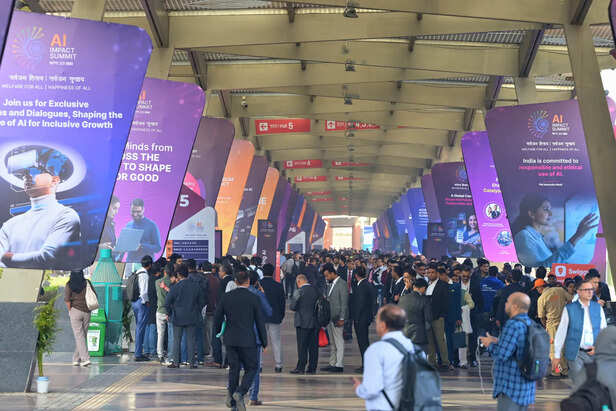
Delegates arrive for an AI-Summit in New Delhi, India, Monday, Feb. 16, 2026. (AP Photo/Satish Sharma)
Krutrim by Ola: India’s Indigenous AI Model
One of the most talked about AI developments in India is Krutrim, an ambitious initiative focused on building an indigenous AI ecosystem. Developed by Ola, Krutrim is designed to serve as a foundational AI model tailored to Indian languages, cultural nuances, and local contexts. Unlike many global AI systems that are trained primarily on Western datasets, Krutrim aims to address the linguistic diversity of India.
The platform supports multiple Indian languages and dialects, making it particularly valuable for businesses and government services that need to communicate with people across regions. This innovation is helping bridge the digital divide by making AI accessible to users who prefer interacting in their native languages.
Krutrim’s capabilities include conversational AI, data processing, automation tools, and AI powered enterprise solutions. By focusing on localization, it enables businesses to engage customers more effectively. It also helps developers build applications suited to Indian markets without relying heavily on foreign technologies.
In 2026, Krutrim represents a major step toward technological self-reliance. Its development signals India’s intention to create its own AI infrastructure that aligns with national priorities, data sovereignty, and cultural inclusivity.
Sarvam AI: Building the Future of Indian Language Intelligence
Sarvam AI has emerged as a leading name in the development of large language models designed specifically for Indian users. The company focuses on creating AI that understands and generates content in multiple Indian languages with high accuracy.
This innovation is particularly important in a country where linguistic diversity is immense. Many people still prefer consuming content in regional languages, and businesses need tools that can communicate effectively across language barriers. Sarvam AI is addressing this need by building models that understand context, dialect variations, and local expressions.
In sectors such as education, e governance, and customer service, Sarvam AI is enabling more inclusive communication. Students can access learning materials in their native languages, while organizations can provide support to customers without language constraints.
The company’s focus on building AI for India first and scaling globally later is gaining attention. By training models on locally relevant datasets, Sarvam AI is creating solutions that are more culturally aware and practical for everyday use. As demand for regional language AI continues to grow, this innovation is expected to play a crucial role in expanding digital accessibility across the country.
Haptik: Transforming Customer Engagement with Conversational AI
Haptik is one of India’s pioneers in conversational AI, offering intelligent virtual assistants and chatbots that help businesses automate customer interactions. The platform is widely used across industries such as telecom, banking, e-commerce, and travel.
In 2026, Haptik’s AI solutions are helping organizations handle millions of customer queries daily without human intervention. These AI powered systems can understand intent, respond instantly, and provide personalized support. This improves customer satisfaction while reducing operational costs.
The platform’s ability to integrate with messaging apps, websites, and voice systems makes it highly versatile. Businesses can deploy virtual assistants that guide customers through purchases, resolve issues, and provide recommendations. The result is a smoother and more efficient user experience.
Haptik is also contributing to the evolution of voice based AI in India. As voice search and voice commands become more common, conversational platforms like Haptik are making technology more intuitive and accessible. This innovation highlights how AI can enhance human interaction rather than replace it.
Zoho’s Zia: Smart AI for Business Productivity
Zoho Corporation has integrated artificial intelligence deeply into its suite of business applications through Zia, an intelligent assistant designed to enhance productivity and decision making. Zia uses machine learning and predictive analytics to provide insights, automate workflows, and assist users in managing tasks efficiently.
In 2026, Zia became a key component of Zoho’s ecosystem, helping businesses analyze data, detect patterns, and make informed decisions. From sales forecasting and email management to customer insights and process automation, Zia supports multiple business functions.
One of the most valuable aspects of this innovation is its accessibility. Small and medium sized enterprises can use advanced AI tools without needing large budgets or technical expertise. This democratization of AI is empowering businesses across India to compete more effectively in digital markets.
Zia also improves workplace efficiency by reducing repetitive tasks. Employees can focus on strategic and creative work while AI handles routine processes. As more companies adopt cloud based software, intelligent assistants like Zia are becoming essential tools for modern business operations.
Fractal Analytics: Enterprise AI for Global Impact
Fractal Analytics is a global leader in AI driven analytics and decision intelligence. The company provides advanced AI solutions that help organizations optimize operations, understand customer behavior, and predict market trends.
In 2026, Fractal Analytics is working with major international brands across industries such as healthcare, retail, and finance. Its AI platforms use data science and machine learning to deliver actionable insights that drive growth and efficiency.
One of the key strengths of Fractal’s technology is its focus on real world applications. Instead of developing AI for experimentation, the company builds solutions that solve complex business challenges. This includes improving patient care through predictive healthcare analytics, enhancing retail strategies through customer data insights, and helping financial institutions manage risk.
Fractal’s success highlights how Indian companies are not just serving domestic markets but are also influencing global AI adoption. By combining strong technical expertise with a deep understanding of business needs, the company has positioned itself as a major player in the enterprise AI space.
The Growing Impact of AI Innovation in India
The rise of these AI products reflects a broader transformation taking place across the Indian technology ecosystem. AI is being adopted in sectors such as agriculture, education, healthcare, and public services. From predictive farming solutions to AI powered diagnostics and intelligent learning platforms, the technology is becoming an integral part of daily life.
India’s strong IT services industry and startup culture have played a major role in this growth. Developers, researchers, and entrepreneurs are working together to create solutions that address local challenges while meeting global standards. The availability of large datasets, increasing internet penetration, and government support are further accelerating innovation.
Another important factor is the focus on affordability and scalability. Indian AI products are often designed to work in resource constrained environments, making them practical for widespread adoption. This approach allows them to reach millions of users and deliver meaningful impact.
As AI continues to evolve, collaboration between startups, enterprises, and academic institutions will be crucial. The next phase of innovation will likely involve more advanced automation, smarter analytics, and deeper integration of AI into everyday systems.
Why India’s AI Innovations Matter Globally
India’s AI products are not only transforming domestic industries but are also gaining recognition worldwide. Many global companies are partnering with Indian AI firms to leverage their expertise in data science, automation, and analytics.
The country’s ability to build solutions for large and diverse populations gives it a unique advantage. Technologies developed for India often prove highly adaptable to other emerging markets. This opens opportunities for Indian companies to expand globally and contribute to international AI development.
Additionally, the emphasis on ethical AI and data privacy is shaping how these innovations are designed. Companies are increasingly focusing on responsible AI practices, transparency, and inclusivity. This approach strengthens trust and ensures long term sustainability.
In 2026, India is no longer just a consumer of AI technology. It has become a creator, innovator, and global contributor in the field.
A New Era of Made in India AI
The emergence of powerful AI platforms such as Krutrim, Sarvam AI, Haptik, Zia, and Fractal’s enterprise solutions marks a significant milestone in India’s technological journey. These innovations demonstrate the country’s ability to develop advanced technology that addresses real world challenges while competing on a global stage.
From improving customer experiences and business productivity to enabling inclusive communication and data driven decisions, these AI products are reshaping how organizations operate. They also highlight the potential of India’s tech ecosystem to lead the next wave of digital transformation.
As investment in research and development continues and new startups enter the space, the pace of innovation is expected to accelerate even further. The coming years will likely see India producing even more groundbreaking AI technologies that influence industries worldwide.
In 2026, India stands at the forefront of artificial intelligence innovation, driven by creativity, talent, and a vision for a smarter future. These top five AI innovations are not just products. They are symbols of a rapidly evolving digital nation ready to shape the global technology landscape.
Unlock insightful tips and inspiration on personal growth, productivity, and well-being. Stay motivated and updated with the latest at My Life XP.