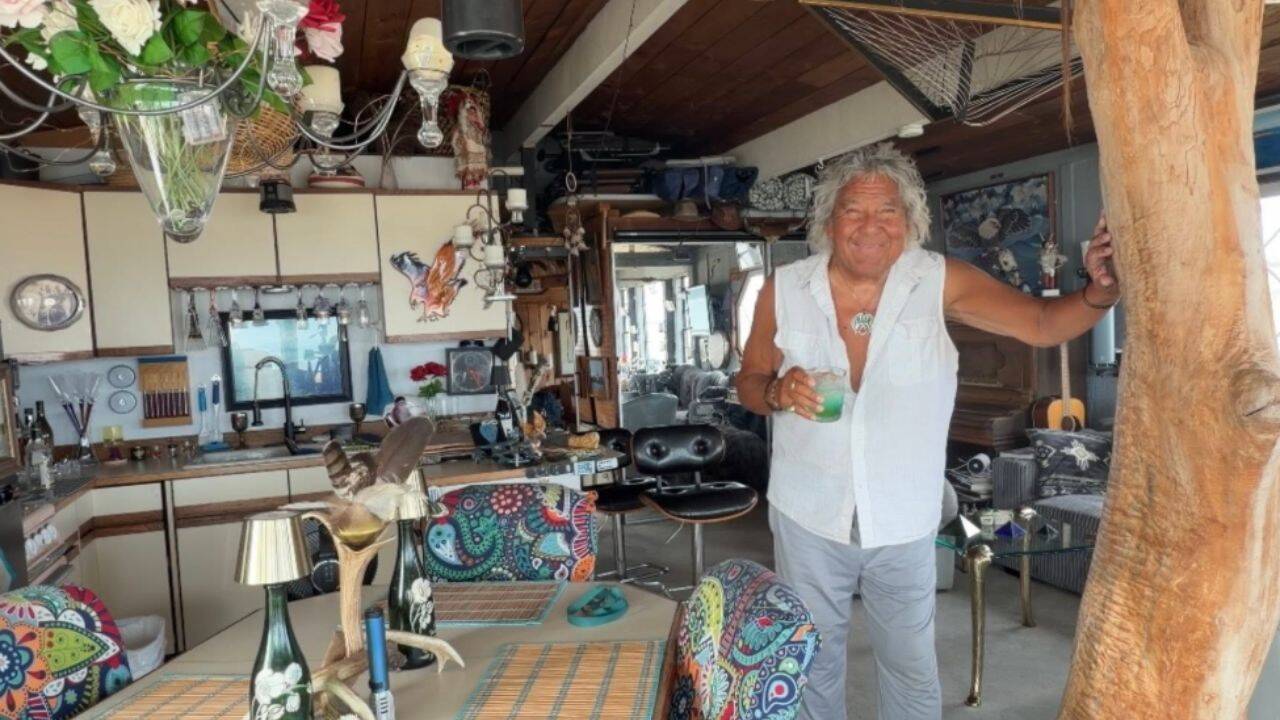
On Washington State’s Protection Island, Marty Bluewater has an unusual kind of neighbourhood. Gulls fly over the sandy bluffs, harbour seals rest on the beach and tufted puffins can be seen in the water. There are no other human residents.
Get breaking news anytime, anywhere. Download the TOI app now!
Bluewater is the only person living on the roughly 400-acre island, which became a National Wildlife Refuge in 1982. According to Atlas Obscura, he first bought a piece of the island in the early 1970s, when it was being promoted as a future holiday destination with hundreds of homes.
Almost five decades later, the plan for a large residential community is long gone. The island is now closed to the public and protected for wildlife. Bluewater, however, was allowed to continue living there under a lifetime-use agreement.
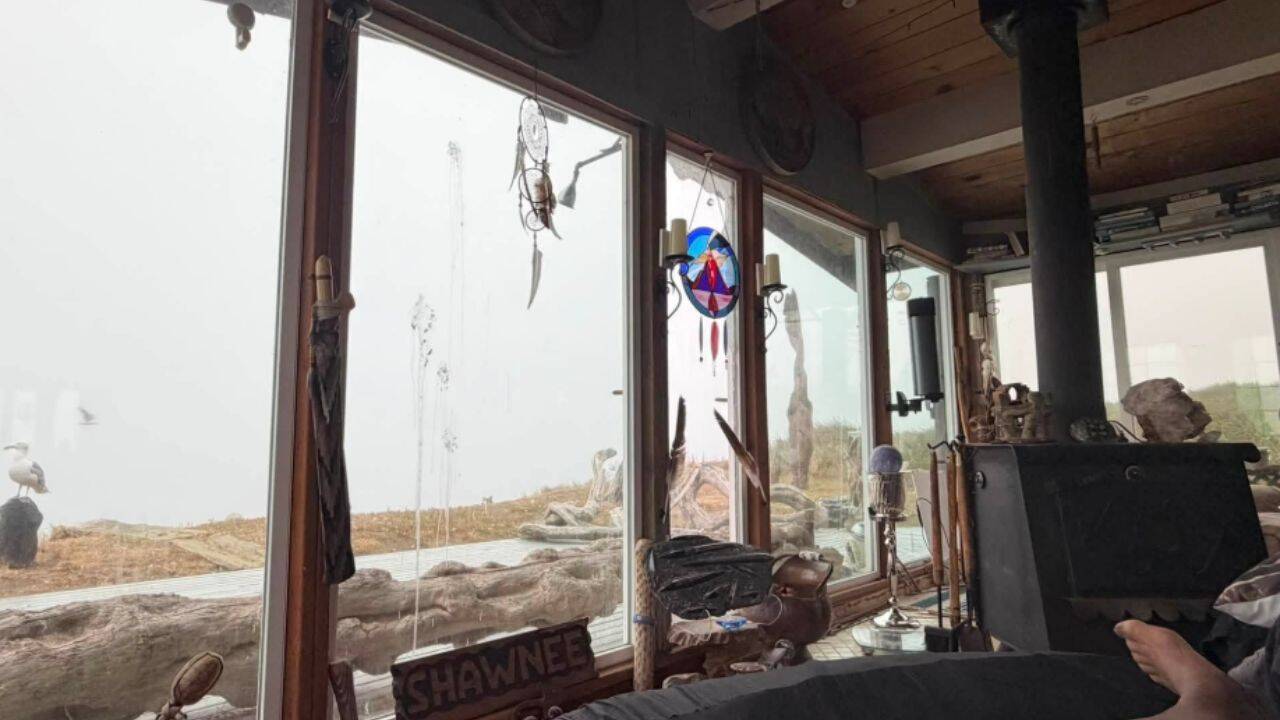
He built a small wooden cabin as a weekend getaway, but over time it became his home. Every three or four days, he takes his boat to Port Townsend, a few miles away at the mouth of Puget Sound, to buy necessities such as bottled drinking water and food. “It’s unique in all the world,” Bluewater says of life on the island.
The holiday home dream
Protection Island is roughly triangular and lies just off Washington’s Olympic Peninsula. Before becoming a refuge, it had served as farmland and was later used for artillery target practice during the Second World War.
In the 1960s, investors bought the island for $275,000. They divided it into 800 lots and marketed it to families and retirees who wanted to build holiday cabins.
The development, however, faced a basic problem. Protection Island had important wildlife habitat, including breeding grounds for several species. Harbour seals used the area, while rhinoceros auklets, thickset seabirds with a distinctive spike on their bills, also bred there.
In the early 1970s, artist and wildlife biologist Zella Schultz and Audubon Society member Eleanor Stopps began raising concerns about the impact that increased human activity could have on the island’s thousands of nesting birds.
Their campaign gradually gained support. The National Audubon Society, the Nature Conservancy and other groups joined efforts to protect Protection Island before the planned development could take place.
Bluewater did not want to lose the land he had bought, but he also wanted the island to remain protected. “With regard to the future of the Island, I have two major concerns. First, that the Island always remain the special place that it now is and secondly, that my rights as a property owner are not lost,” Bluewater said during the legislative debate.
After Schultz died in 1974, the Nature Conservancy bought 48 acres of Protection Island and later resold the land to Washington State. The area became the Zella M Schultz Seabird Sanctuary.
In 1982, lawmakers signed the Protection Island Wildlife Bill, officially designating the entire island as a National Wildlife Refuge.
The change created a difficult situation for people who had already bought property there. Some landowners sold their undeveloped lots to the government. Those who already had cabins were given an option to continue using them, but under restrictions.