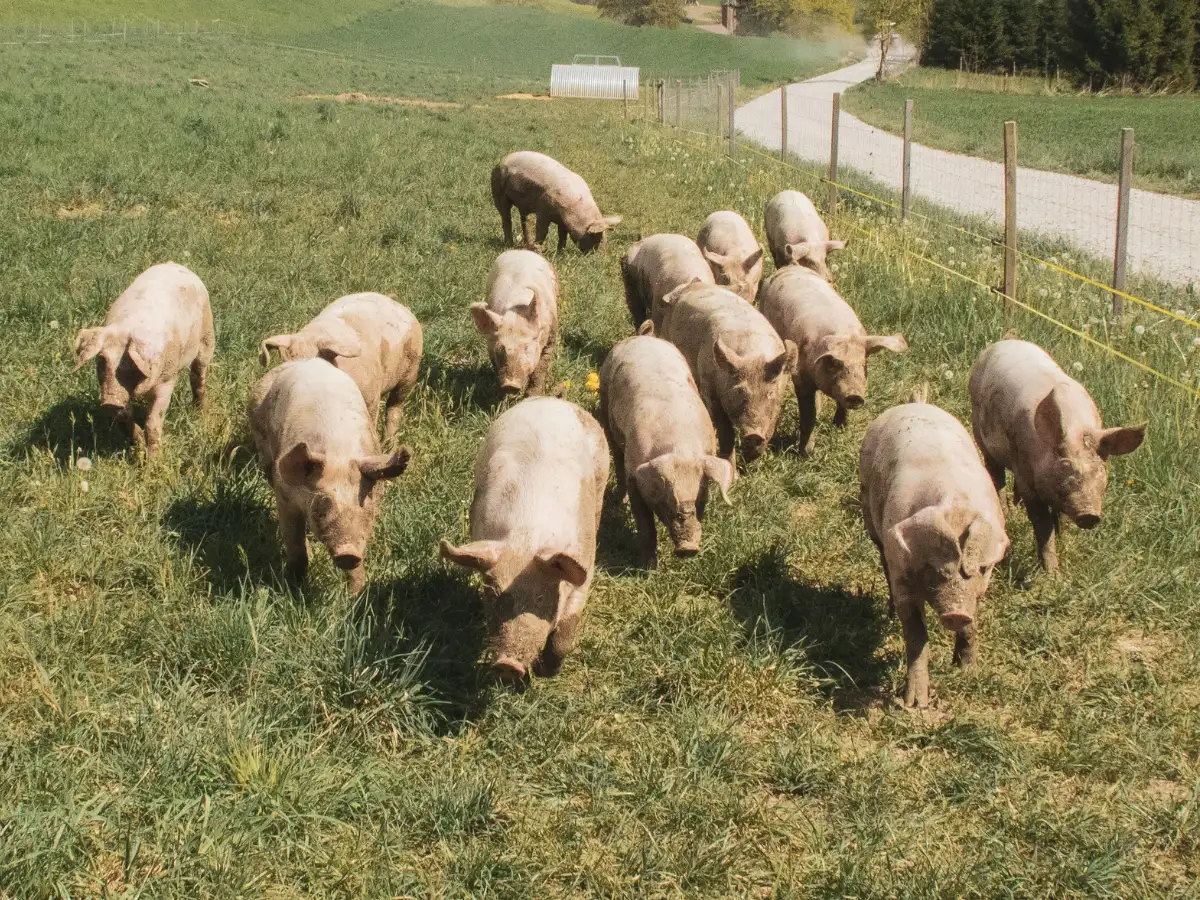
Captain James Cook first anchored in a quiet bay on New Zealand's South Island called Ship Cove on January 15, 1770. During these visits, according to the Department of Conservation field guide to Ship Cove, Cook and his crew released pigs and goats at the cove so that future sailors passing through could hunt them for fresh meat instead of relying only on ship rations.
Nearly 250 years later, their wild descendants are still roaming the same forests. Except now, conservationists see them as one of the region's biggest threats to native bush, not a helpful food supply.
Two islands, one accidental experiment
Ship Cove sits directly across the water from a small piece of land called Motuara Island. Together, the two sites became an unplanned experiment that has run for over two centuries.
Ship Cove kept much of its old-growth forest intact. According to the same Department of Conservation field guide, many of the bigger trees there were probably already standing when Cook first arrived. Motuara Island had a very different story. It was cleared for farming in the early 1900s, then left to regrow once farming there stopped.
The two sites, barely a boat ride apart, show two very different outcomes of what happens once humans introduce animals to an island, then leave.
Why farm animals turned into forest destroyers
Pigs and goats seem harmless on a farm. In a native forest with no natural predators to control their numbers, they behave very differently.