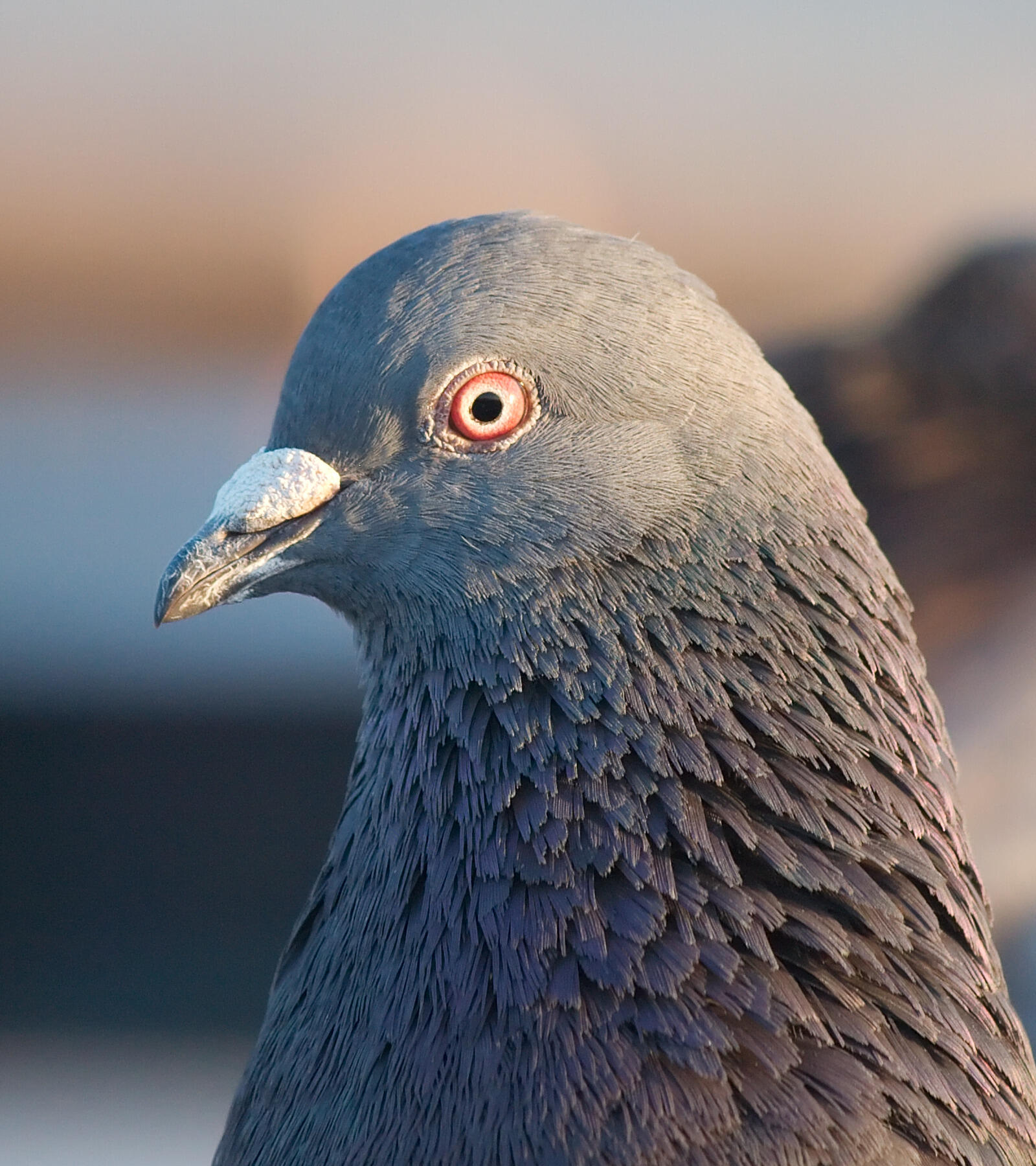
Pigeons have coexisted with humans for centuries in ways that are more complex than they are often perceived today. The birds are now most often seen on city streets, atop buildings and in squares, where they are often viewed as a nuisance. However, pigeons’ association with city life began with close human contact, as people valued them for food, messaging and other uses.
Get breaking news anytime, anywhere. Download the TOI app now!
Colin Jerolmack discusses the shift from domestic pigeons to urban feral birds in the paper Animal archeology: Domestic pigeons and the nature-culture dialectic . The research explains how humans domesticated pigeons and how escaped domestic birds became feral pigeons.
The paper notes that pigeons were not simply tamed for one purpose, but were repeatedly reshaped for new human uses — first as food and later as messengers — and each shift produced a new social meaning and moral judgement about the bird. Jerolmack also argues that today’s “street pigeon” is the descendant of escaped domestic birds, a feral category that is neither fully wild nor domestic and is defined by the very traits that humans once selected for.
From prized domestic birds to urban survivors
Before pigeons became regular sights on urban sidewalks, humans kept them for specific purposes. According to the study, pigeons were one of the earliest birds that humans have ever domesticated. Humans selectively bred pigeons and put them to use in various capacities. The skill of pigeons in navigating over great distances made them useful as messengers, besides being a source of food.
As people moved across regions, they carried domesticated pigeons with them. The birds adapted well to new environments because many of their traits already suited life near humans. Pigeons are naturally comfortable around cliffs, rocky ledges and open areas, which made buildings, bridges and other urban structures suitable replacements for their original habitats.
The research explains that modern street pigeons are descendants of domesticated birds that escaped and adapted to life without direct human care. These feral pigeons occupy a unique position, as they are neither completely wild nor fully domestic. Instead, they are considered feral birds, meaning they originated from domesticated populations but now survive without direct human care.
That history helps explain why pigeons have been so successful in cities. Certain attributes that allowed pigeons to be useful for humans, such as living close to humans, producing offspring effectively, and getting their meals from humans, have also contributed to their survival in the wild.
How humans have altered the position of pigeons in society
Jerolmack’s research also examines how people’s views of pigeons have changed over time. A bird once valued for its intelligence, fidelity and usefulness is now considered a nuisance in many urban areas.
Throughout history, pigeons and doves have carried symbolic meanings, including associations with peace, love and spirituality in different cultures. In many modern cities, feral pigeons are often viewed as a nuisance because their droppings can create cleanliness concerns, while public health agencies have examined potential risks linked to close human contact with large pigeon populations.
The research suggests that this shift reflects a changing relationship between humans and animals. When pigeons served clear human purposes, they were valued and cared for. As their usefulness declined, their presence in cities began to be interpreted differently.
However, the birds themselves did not suddenly change. Many of the characteristics that made pigeons successful companions to humans are the same traits that allow them to survive independently today. Their ability to adapt, reproduce and navigate urban spaces helped them move from domesticated environments into city ecosystems.
Over many years of breeding, people selected for desirable traits, and pigeons acquired several human-selected characteristics. Those that escaped and went wild continued to retain these human-induced qualities.
The unexpected legacy of a bird bred by humans
Although pigeons are often seen as a species that has colonised human spaces, their presence also shows how closely human and animal histories are intertwined.
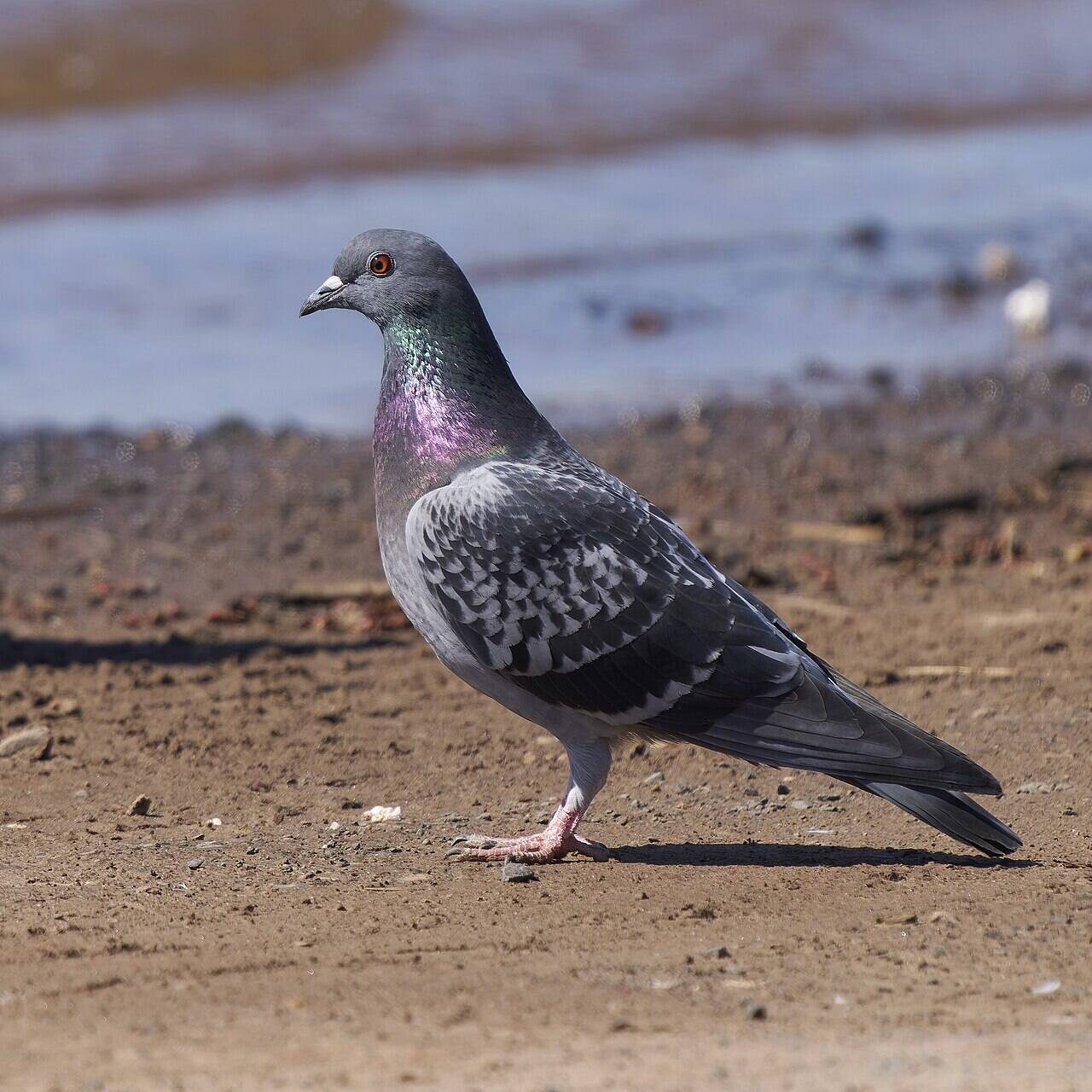
According to Jerolmack’s research, street pigeons are free-living descendants of domesticated rock doves that have adapted to urban environments. These birds are not traditional wild animals that developed separately from people, nor are they fully dependent domestic animals. They are the result of centuries of interaction between humans and pigeons.