In New York lab, centuries-old corals hold clues to climate shifts
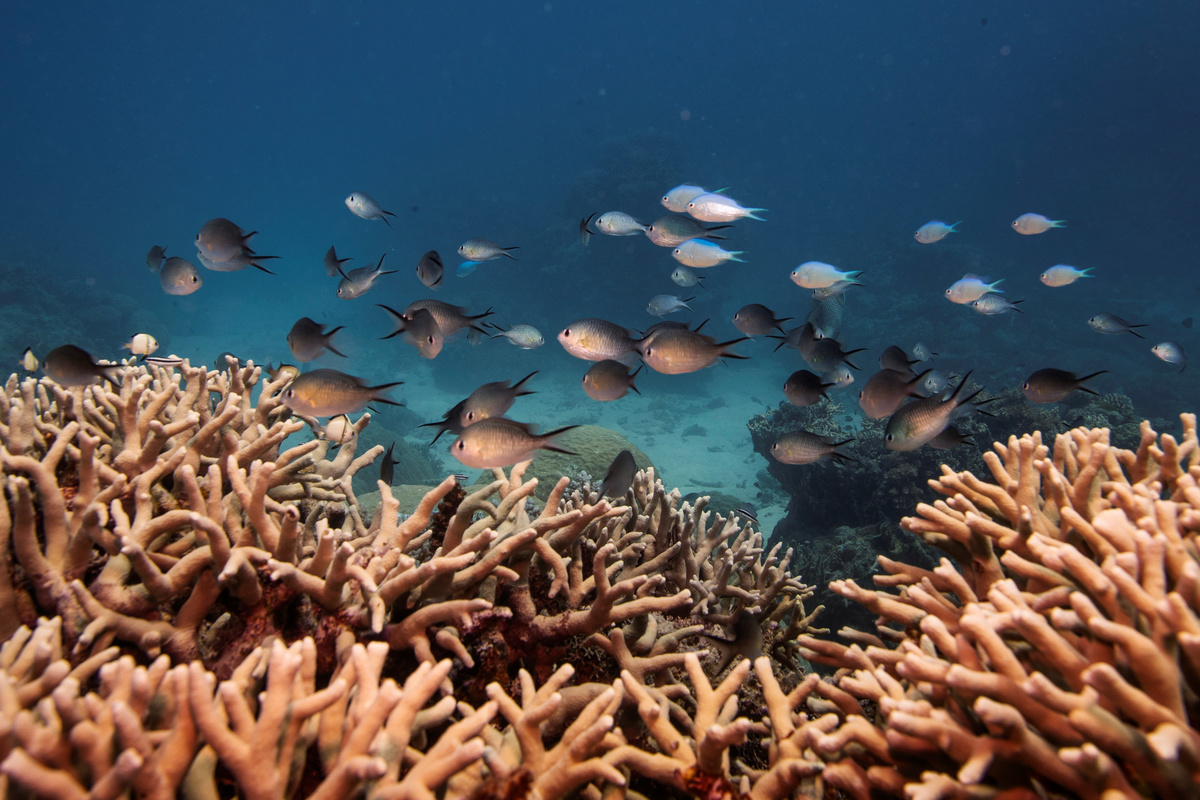
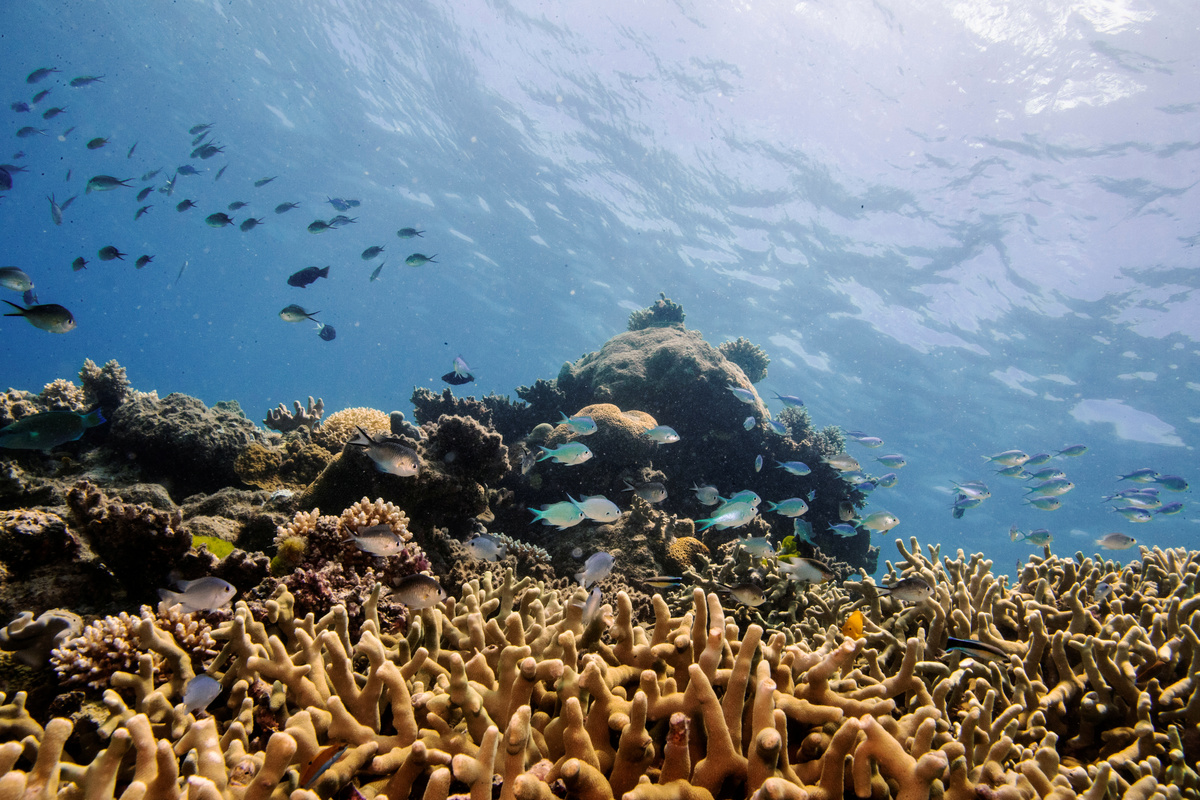
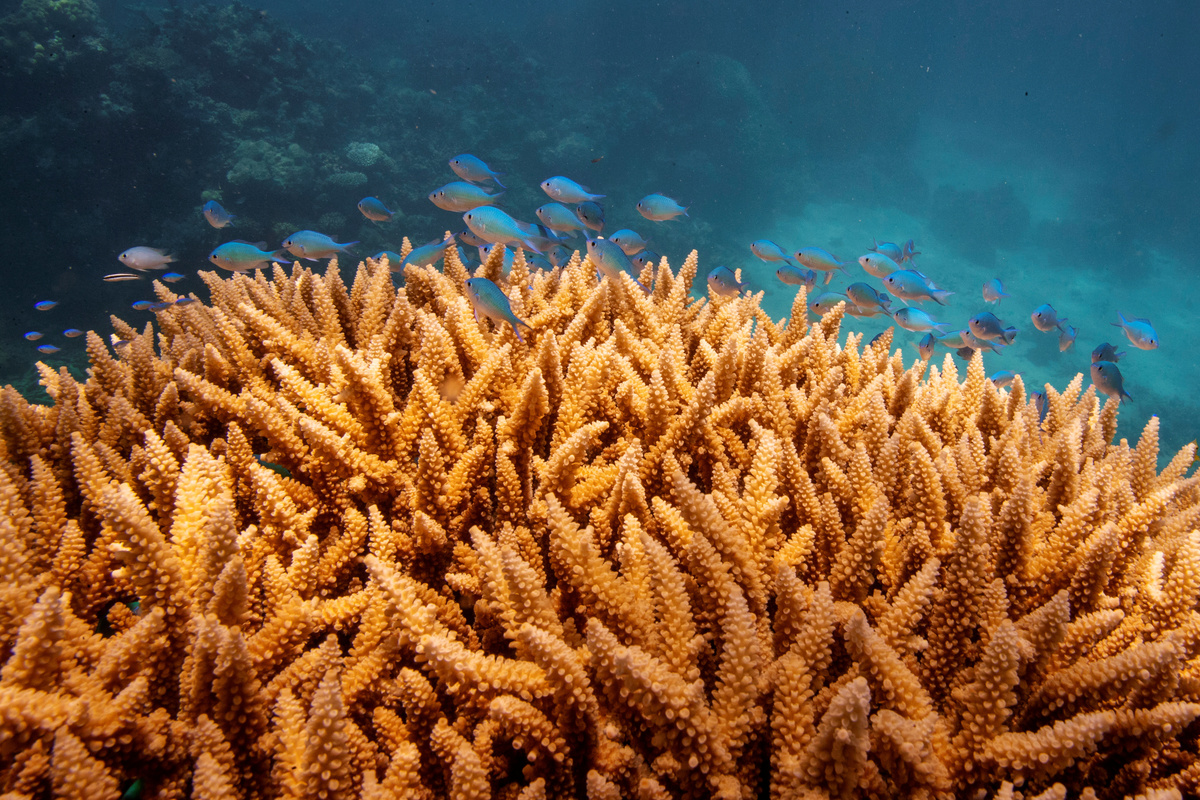
A school of fish swim above a staghorn coral colony as it grows on the Great Barrier Reef off the coast of Cairns, Australia October 25, 2019. REUTERS/Lucas Jackson
PALISADES, N.Y. (Reuters) - Some 20 miles north of New York City, a team of scientists is searching for clues about how the environment is changing by studying organisms not usually found in the woods around here: corals.
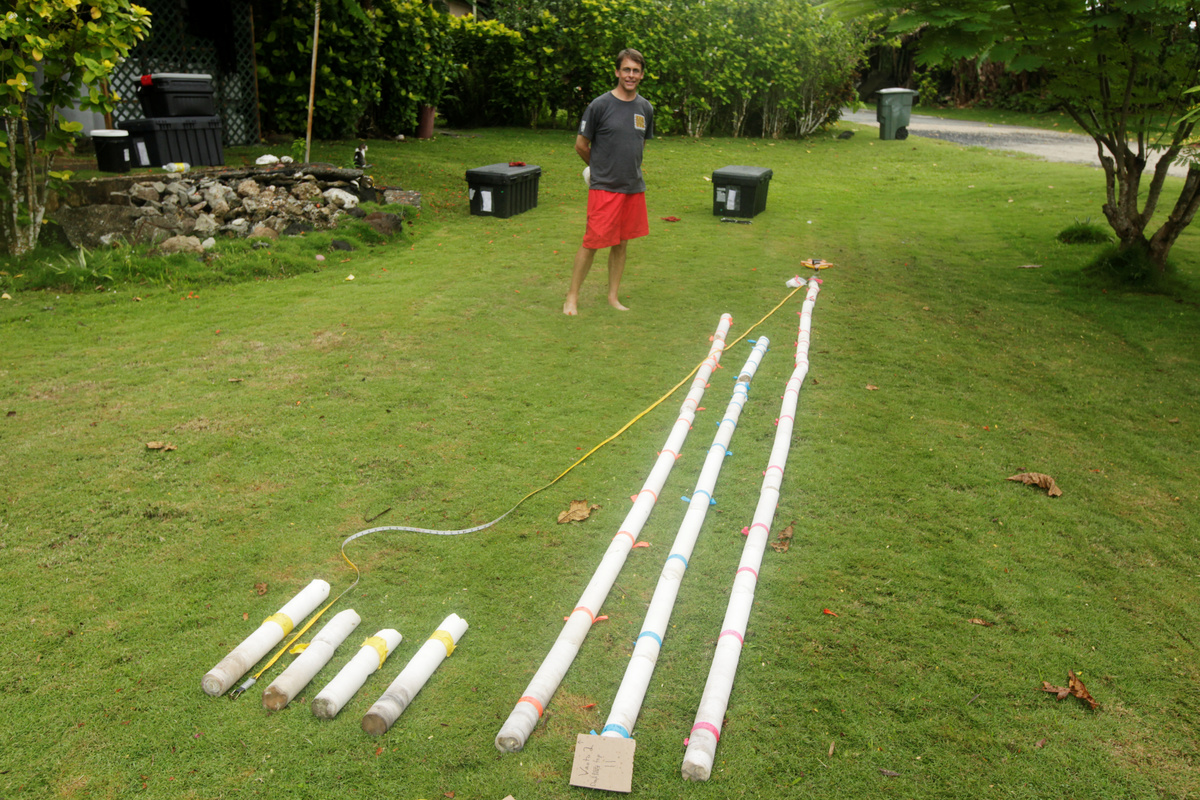
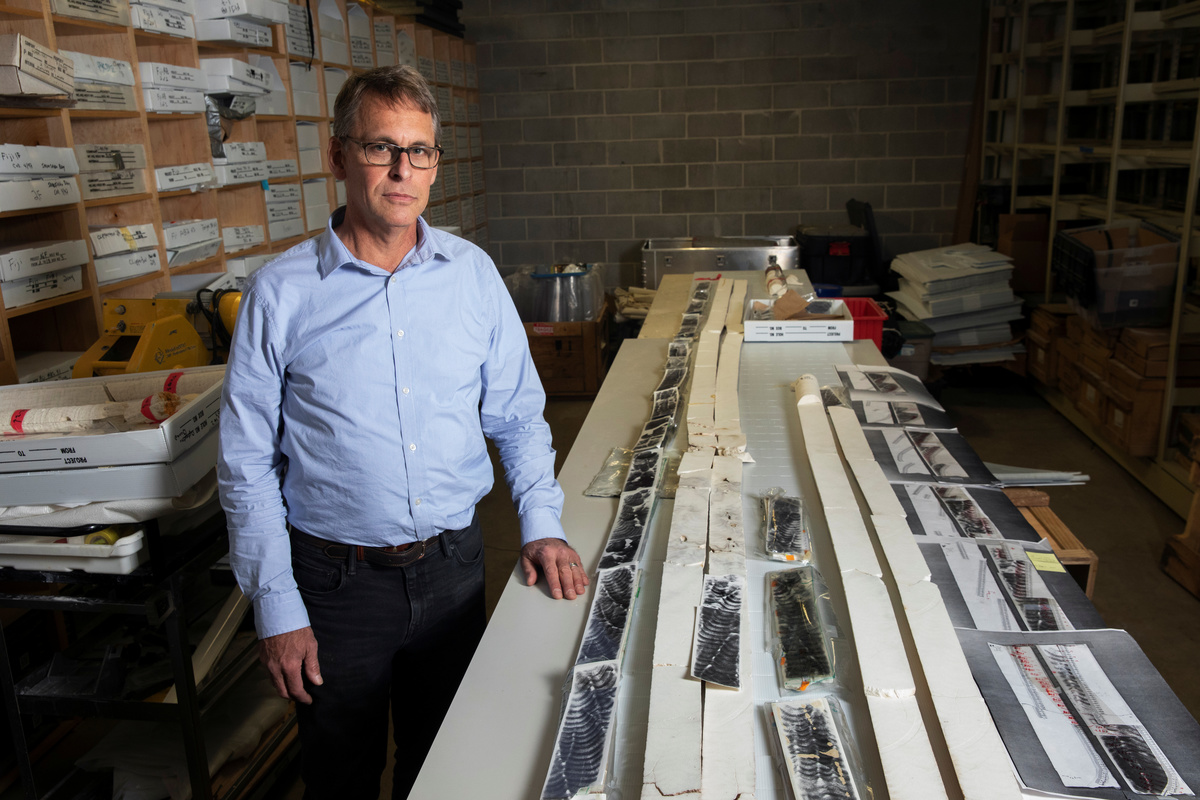
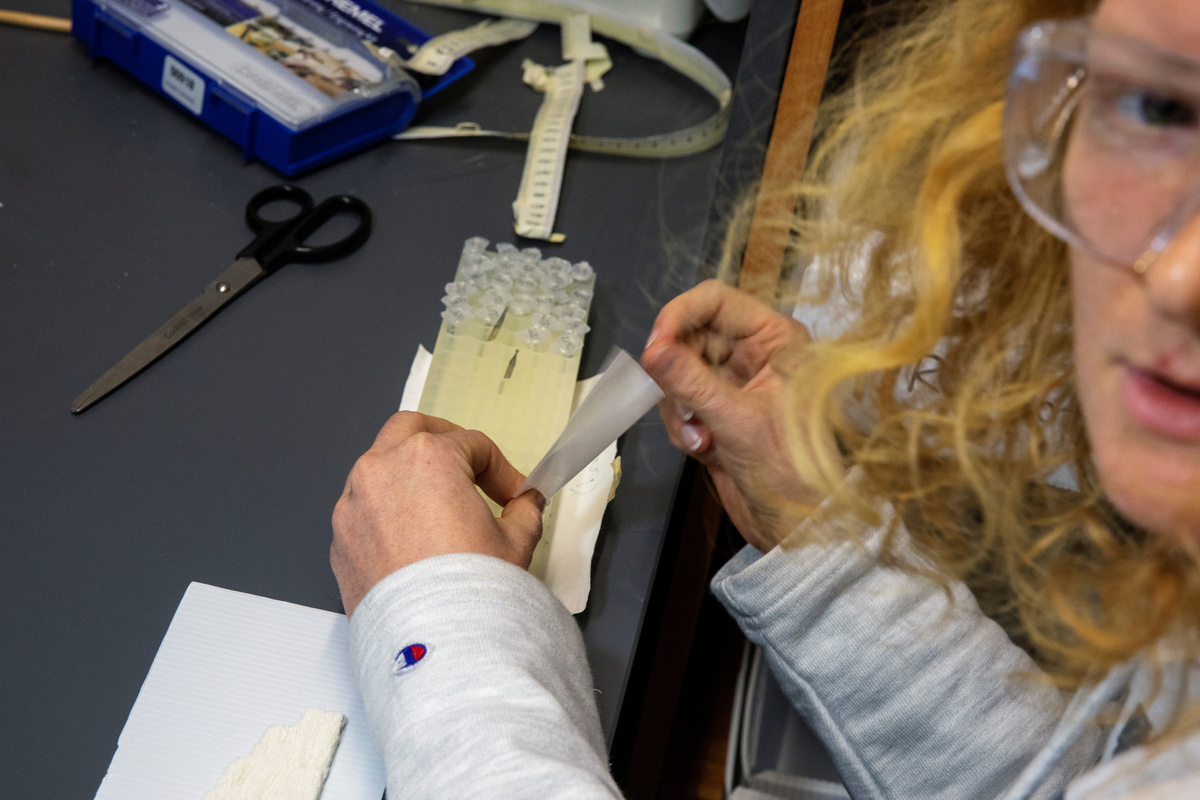
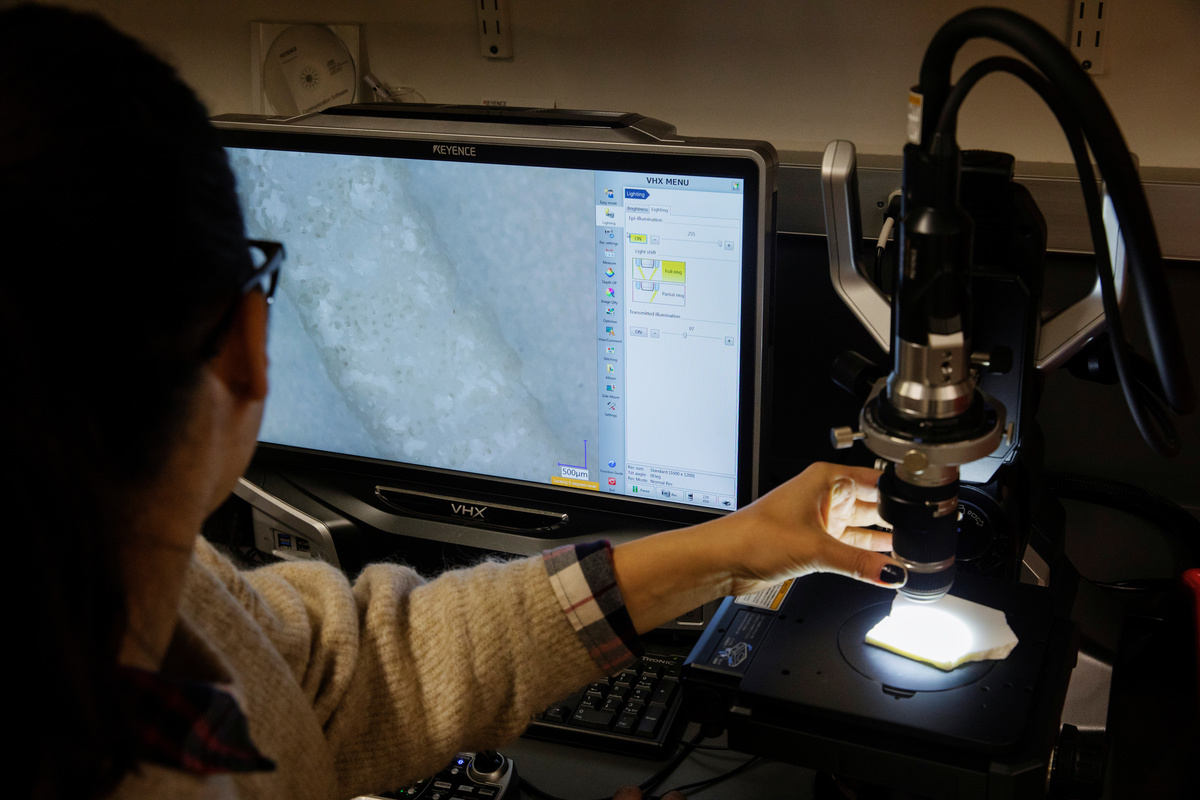
In the labs of the Lamont-Doherty Earth Observatory, a research unit of Columbia University overlooking the Hudson River, the scientists led by Professor Braddock Linsley pore over feet-long coral cores they extracted from far-away reefs.
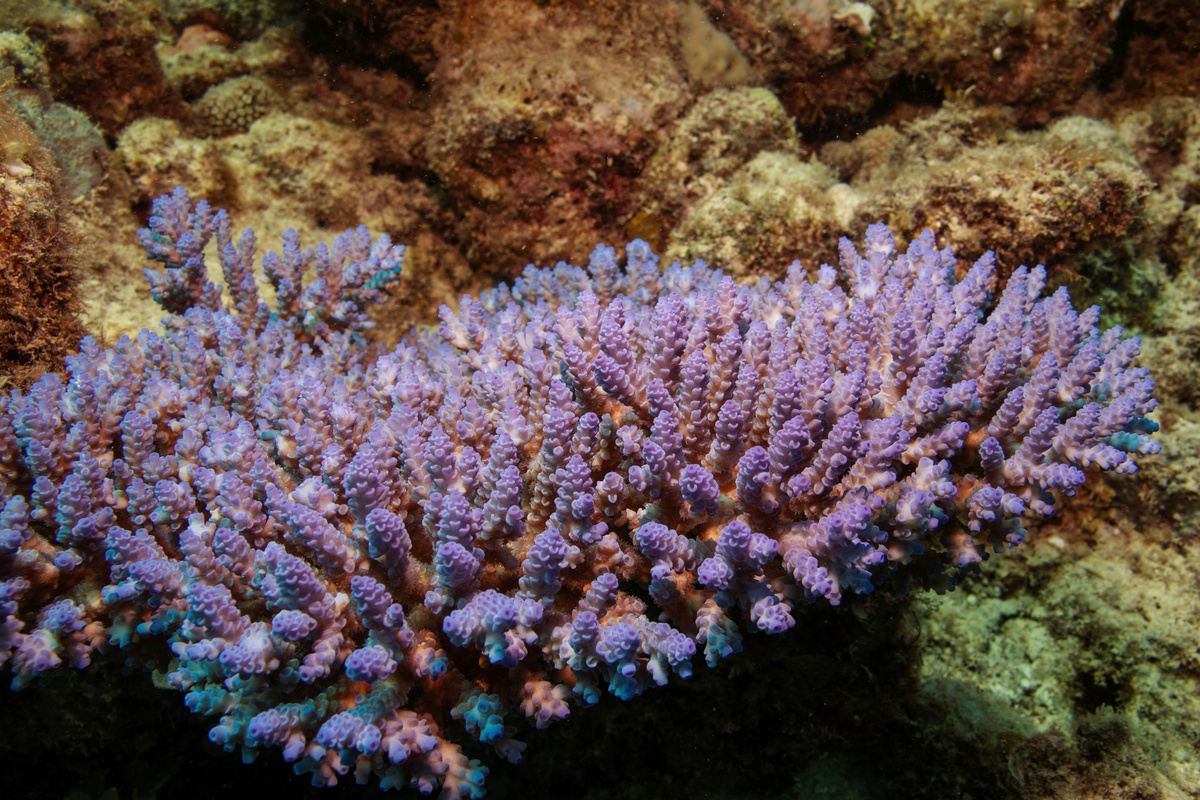
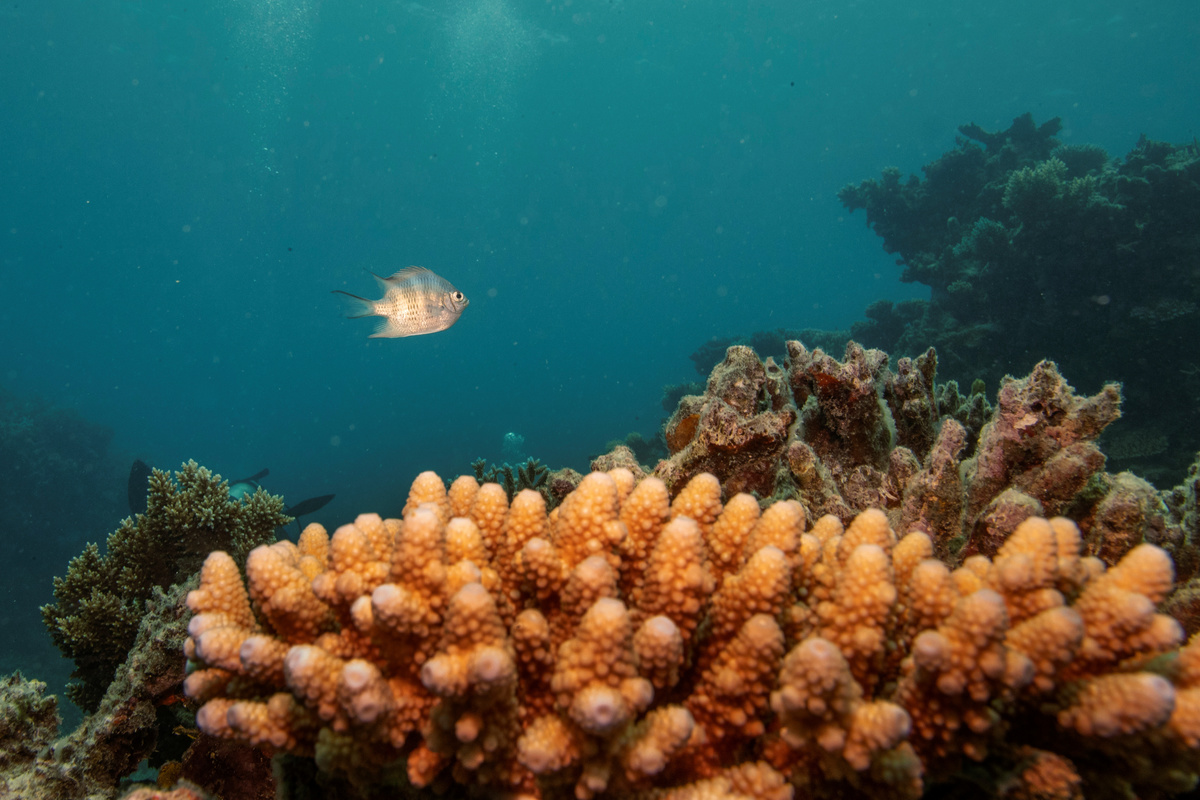
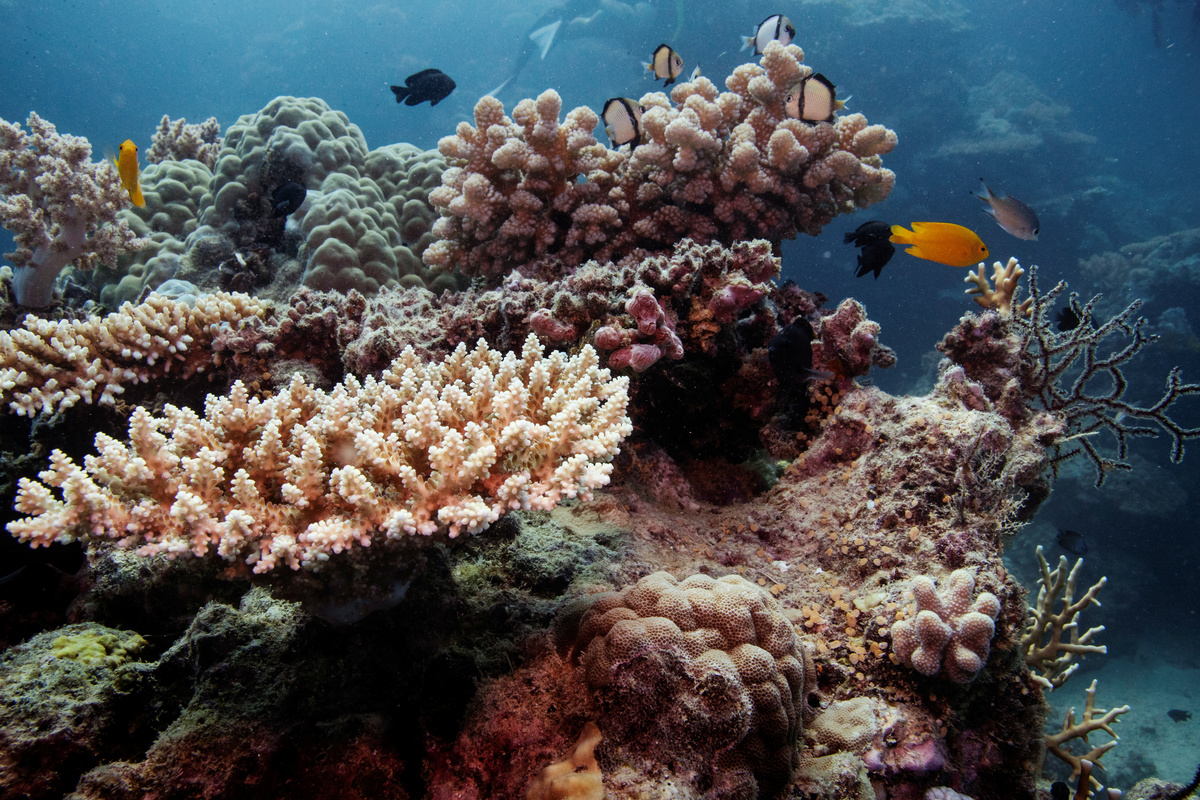
An Acropora coral colony grows on the Great Barrier Reef off the coast of Cairns, Australia October 26, 2019. REUTERS/Lucas Jackson
For Linsley and his colleagues, corals are a precious repository of clues https://tmsnrt.rs/360ebeX about the past that may help predict future climate trends. They can also reveal how much and how fast environmental conditions have changed during a certain period of time.
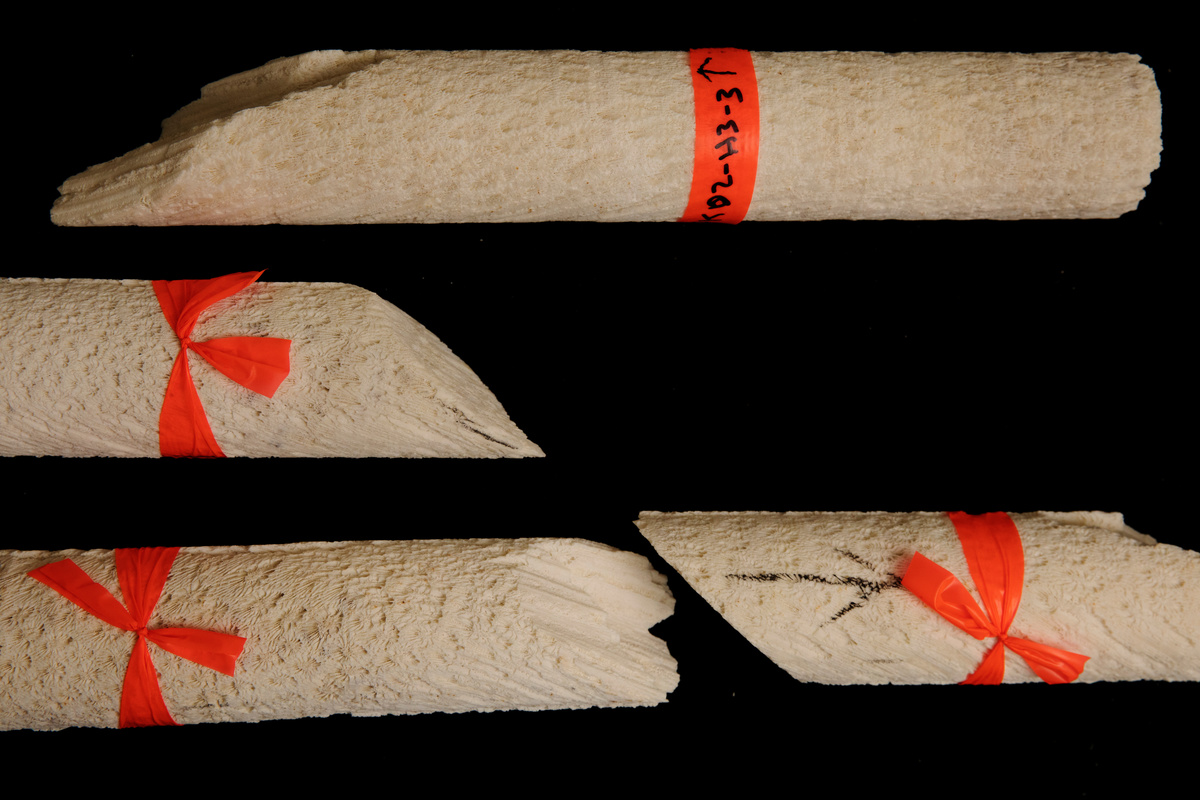
Cores are the hard, stony part of a coral underneath the top of the colony - its skeleton. Much like trees, corals produce growth rings that record climatic conditions like seawater temperatures and rainfall as they grow.
In a lab room packed with boxes of coral samples, Linsley and a small team of colleagues cut the cores into slabs and then X-ray the slabs to reveal the annual growth bands.
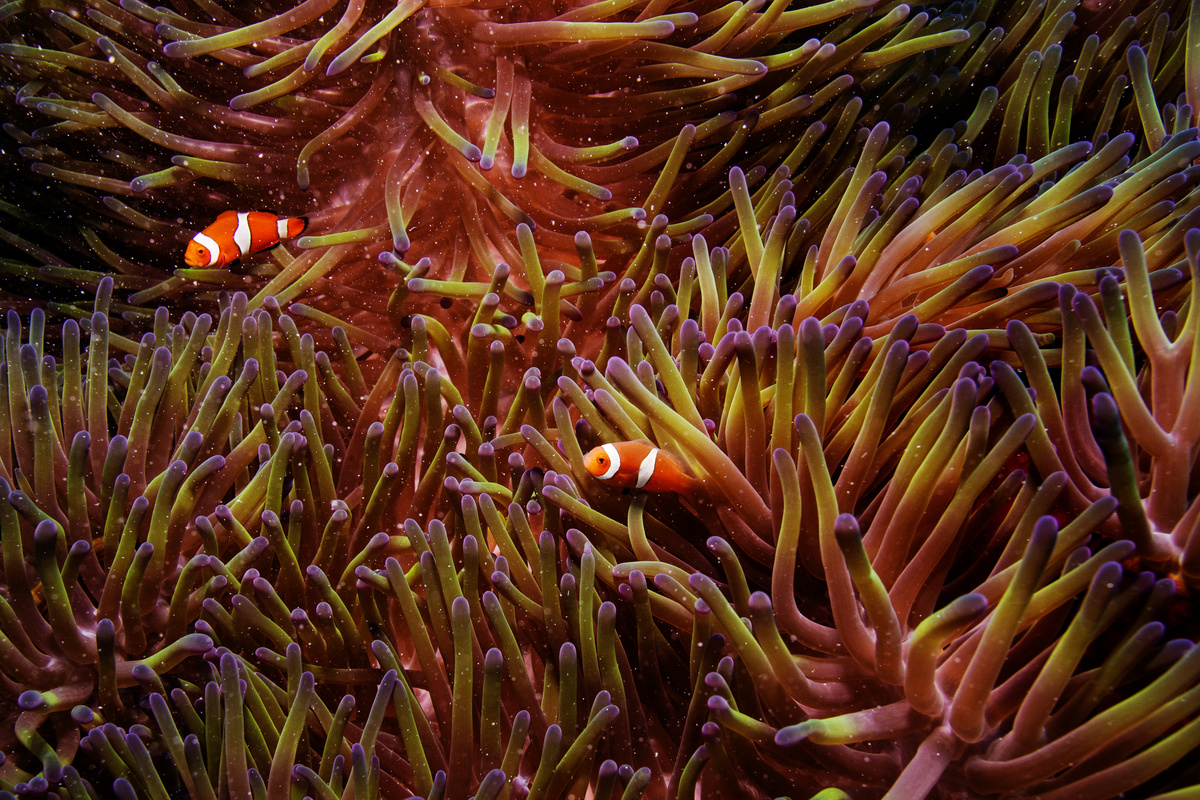
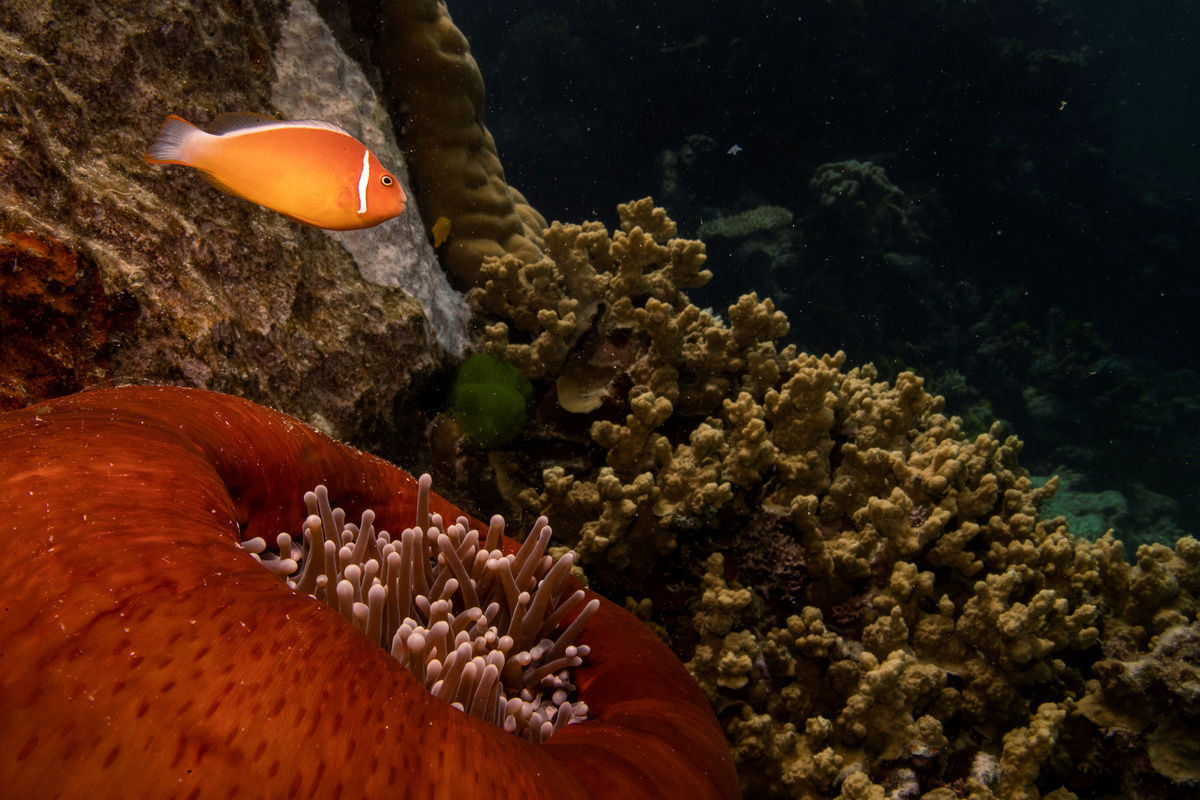
Two clownfish swim inside of a sea anemone in the Great Barrier Reef off the coast of Cairns, Australia October 26, 2019. REUTERS/Lucas Jackson
Using dentist drills, they pulverize small pieces and run geochemical analyses of the coral dust to reconstruct changes in the temperature, salinity and acidity of the water around the coral on a monthly basis going back hundreds of years.
"It is years of lab work and a lot of frustration but once you get to that point, the final product is just so exciting because you've got this long dataset," Linsley said.
Coral reefs develop over thousands of years and are vital to the survival and prosperity of countless marine species. They also curtail flood damage from storms and support human activities like fisheries.
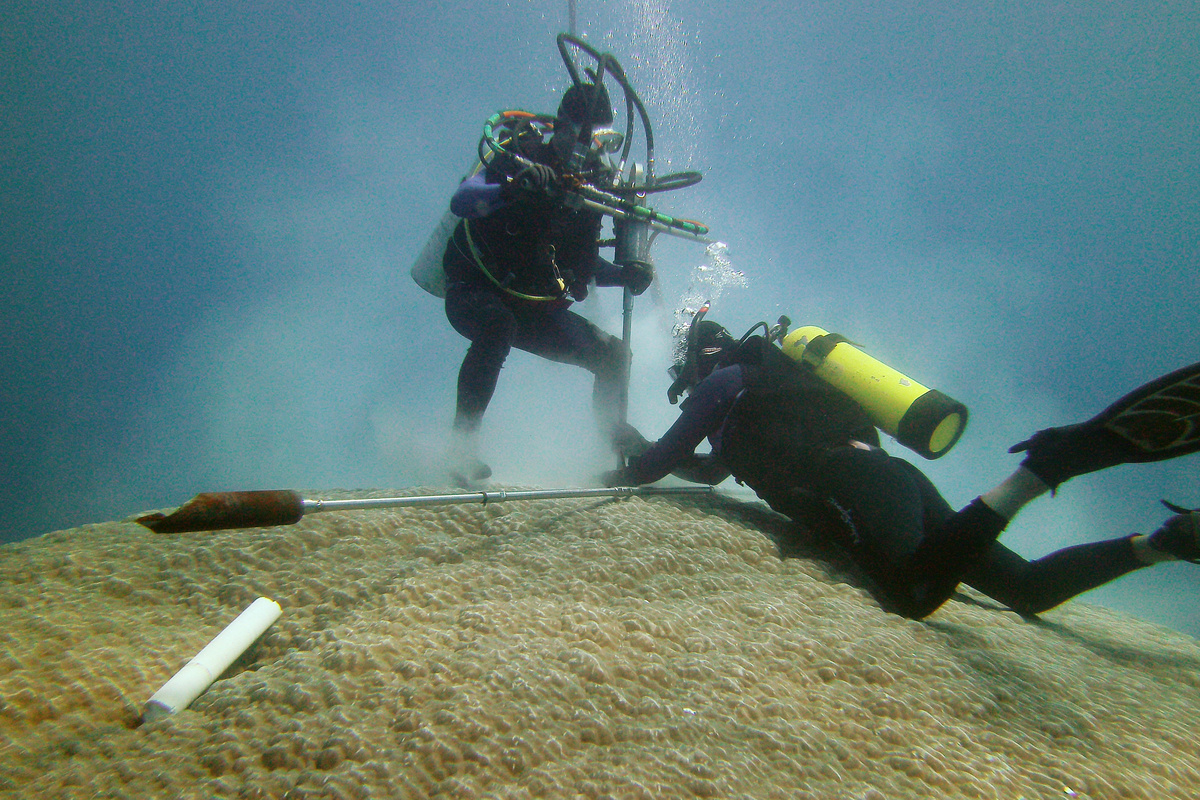
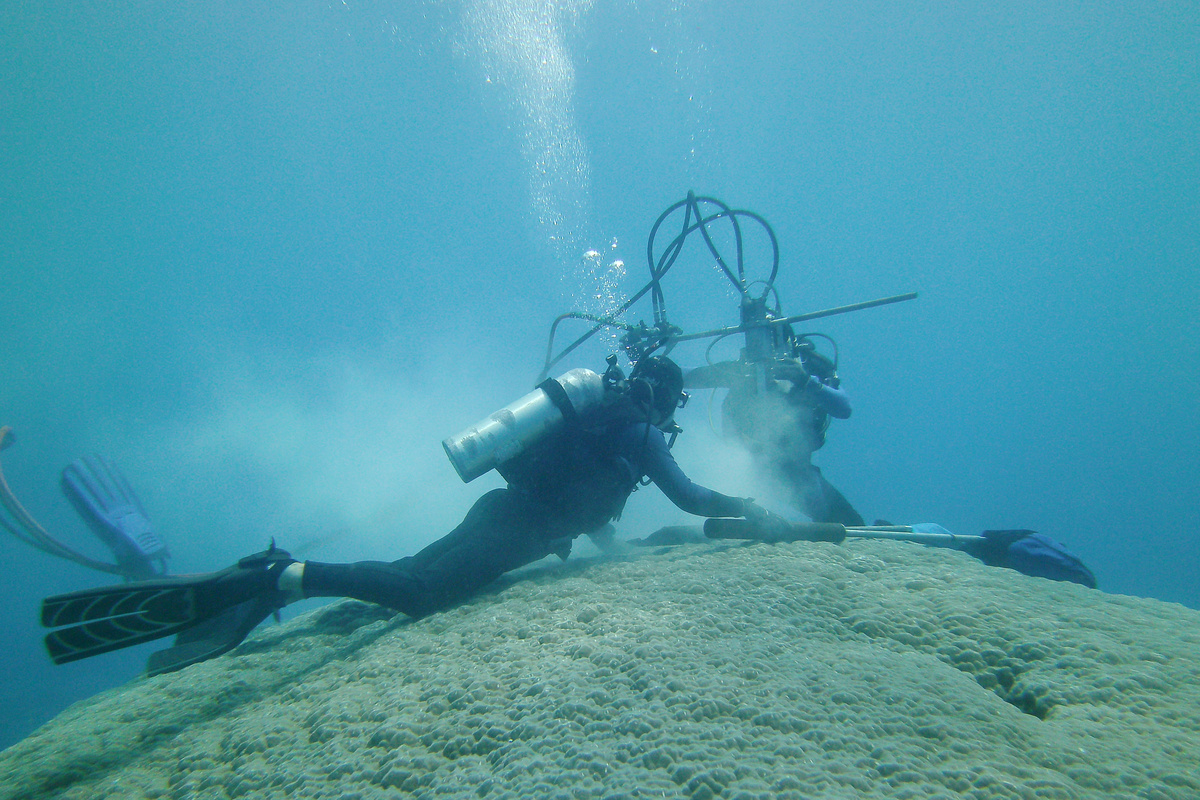
Members of Braddock Linsley's research team drill a coral core from the Porites lutea colony, known as "Big Mama" in American Samoa in 2011. Braddock Linsley/Handout via REUTERS
As humans burn more fossil fuel - the biggest contributor to global warming - oceans absorb growing amounts of carbon dioxide (CO2).
Some of Linsley's recent research on corals from the South Pacific island of Tonga suggests that increased seawater acidification caused by excess CO2 could lead to a decline in coral growth rates, endangering the wellbeing of entire reefs.
Members of Braddock Linsley's research team drill a coral core during a research trip in Panama, March 2018. Braddock Linsley/Handout via REUTERS
LOVE AT FIRST CHANCE
Linsley, a tall and soft-spoken 60-year-old, grew up on the Connecticut coast, making dams in the sand and observing erosion on the beaches near the town of Guilford. He loved water and began his career studying ocean sediments and fossils.
His work on corals began after a chance encounter with a colleague who was visiting his girlfriend at the University of New Mexico - where Linsley was studying to get his PhD in the late 1980s - led to a collaboration.
A member of Braddock Linsley's research team drills a coral core in Panama, March 2018. Braddock Linsley/Handout via REUTERS
"I was fascinated by the fact that the corals had these annual bands in them and you could potentially extract annual resolve records back several hundred years," he said at his office in the leafy campus, papers and books scattered on his desk and photos of diving expeditions on the wall.
Corals also brought him closer to the water and he had to learn how to dive, a perk of the job for Linsley.
By studying the environmental records derived from corals, the scientist is hoping to be able to shine a light on issues like the rate of surface ocean warming, ocean acidification and the impact on coral reef ecosystems worldwide.
Members of Braddock Linsley's research team drill a coral core from the Porites lutea colony, known as "Big Mama" in American Samoa in 2011. Braddock Linsley/Handout via REUTERS
But one thing is already evident, he said. Environmental changes are happening much more rapidly than in the last several thousand years and they are "clearly linked" to human activity.
Linsley's childhood home in Connecticut – which he said now regularly battles encroaching waters - stood as a stark reminder.
"My children are 11 and 13. I think about in 50 years from now when I'm not here, what's it going to be like," he said.
Members of Braddock Linsley's research team drill a coral core from the Porites lutea colony, known as "Big Mama" in American Samoa in 2011. Braddock Linsley/Handout via REUTERS
(Reporting by Maria Caspani; Editing by Rosalba O'Brien)
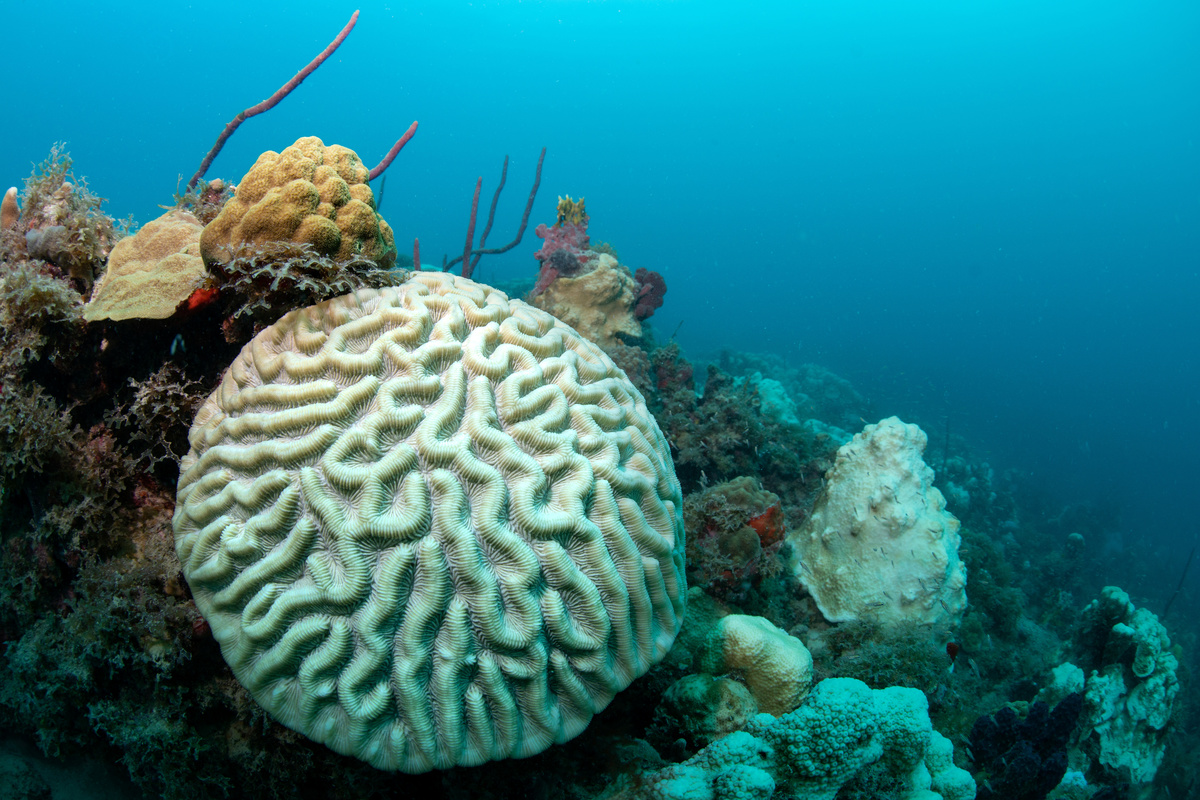
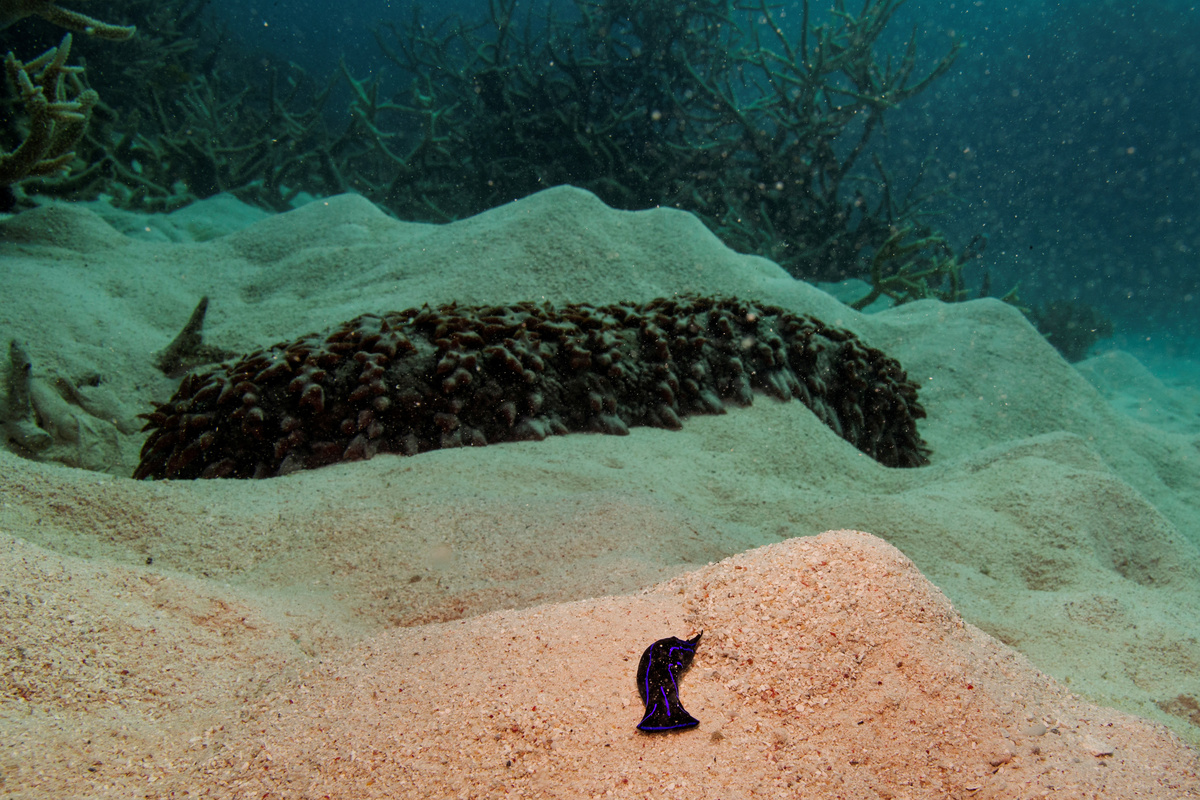
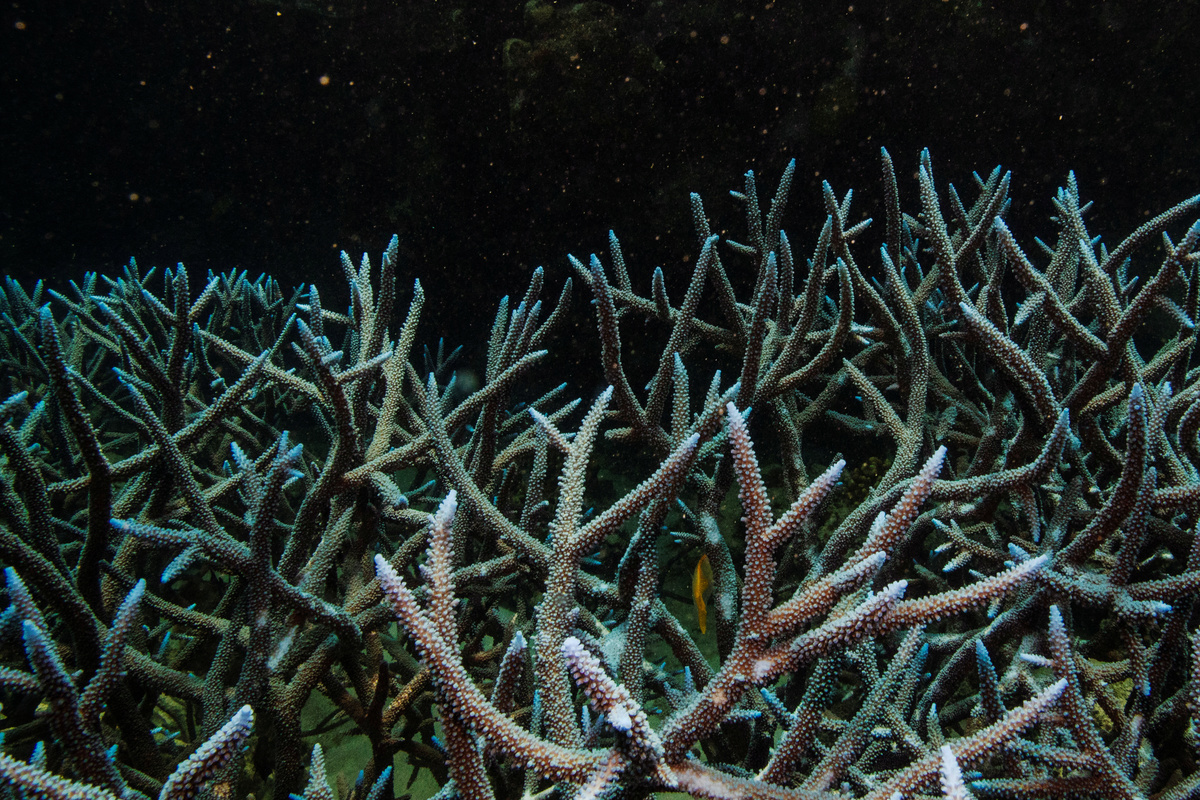
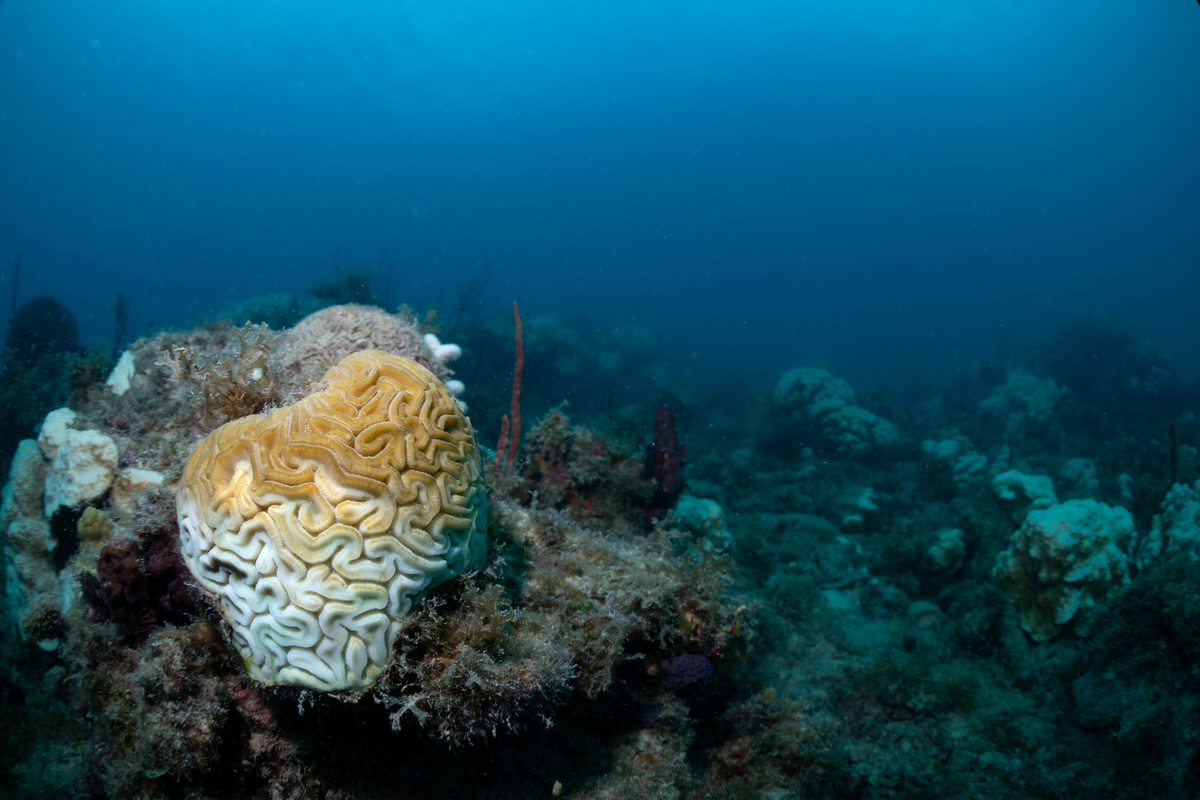
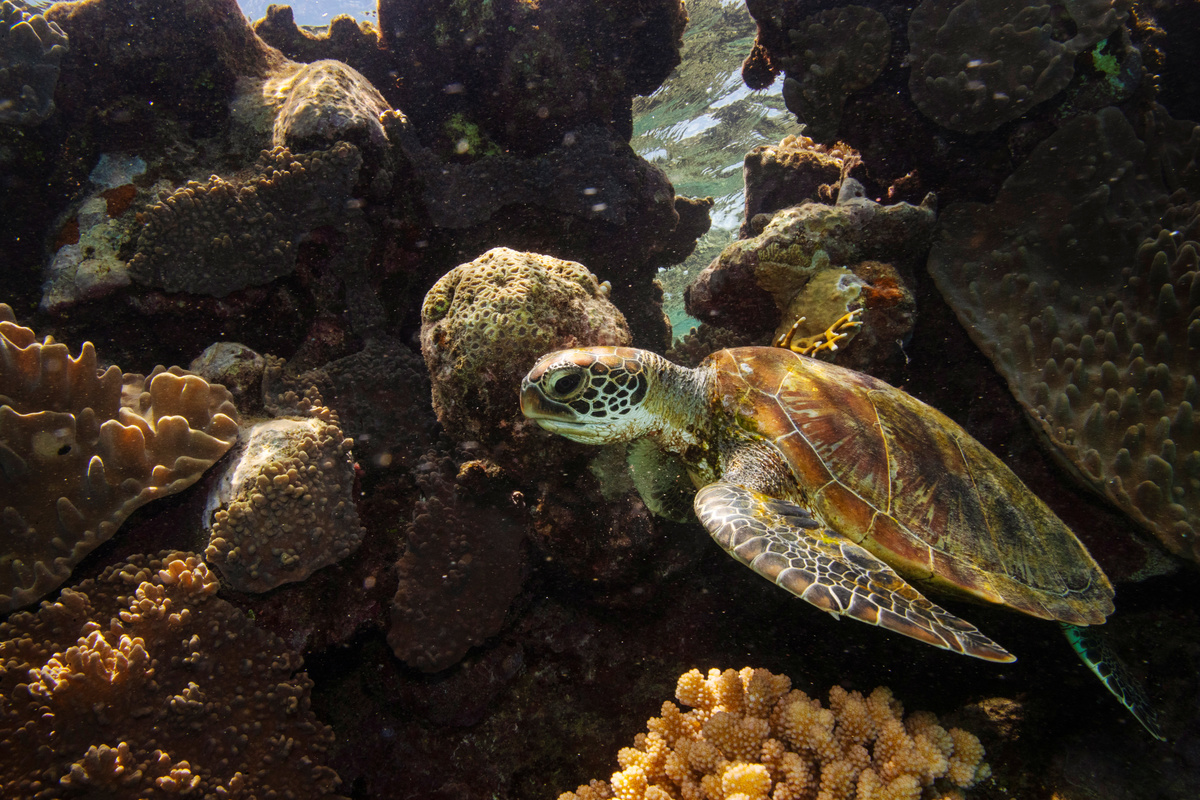
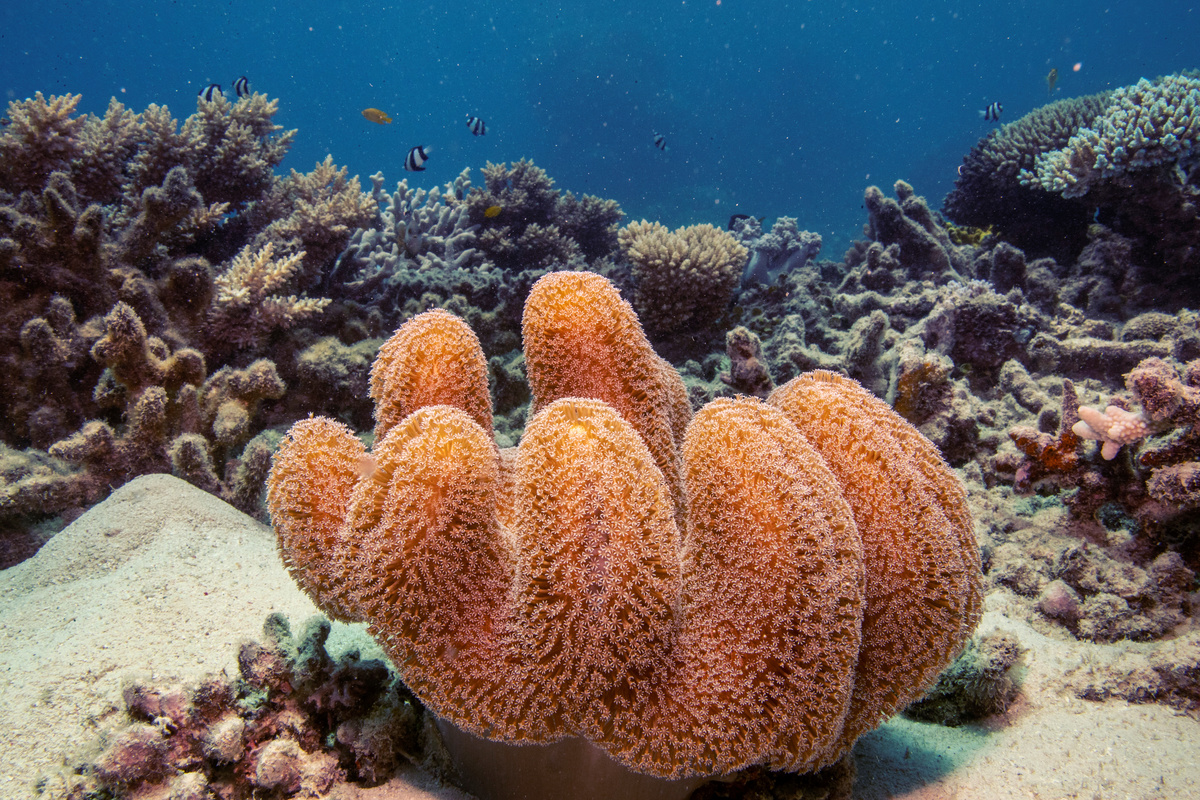
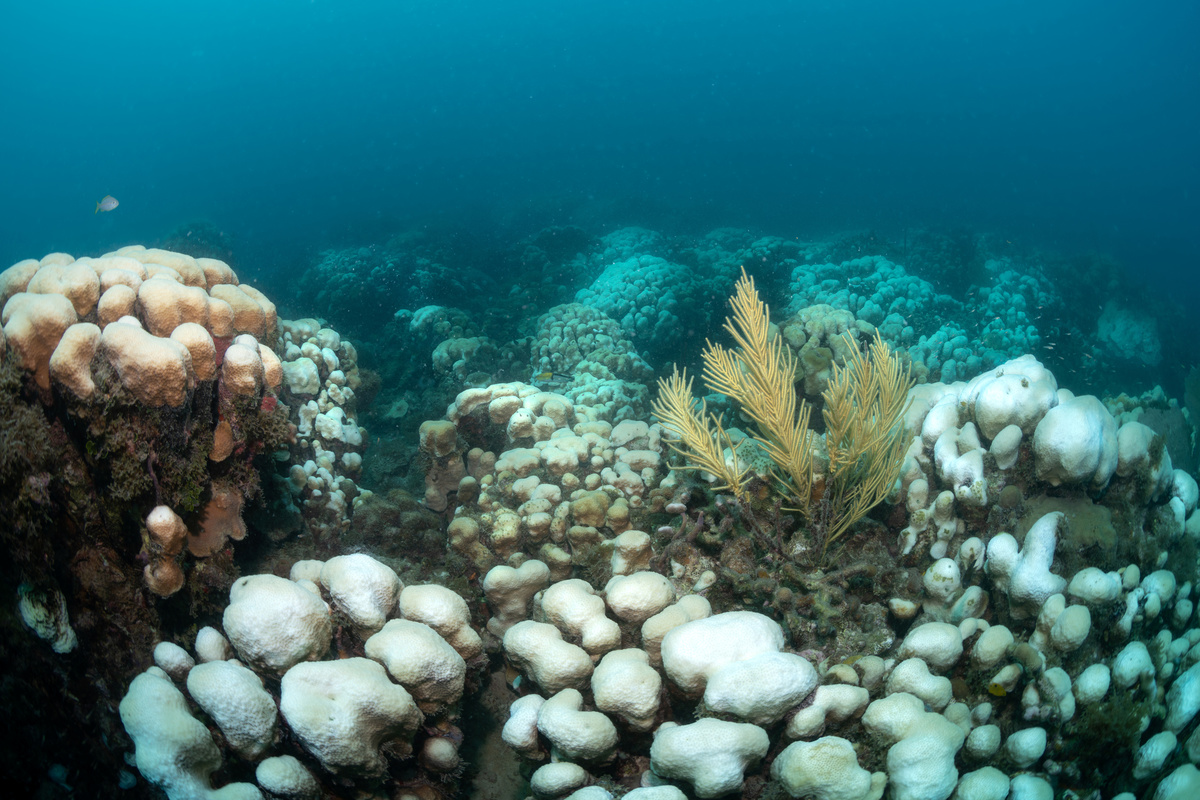
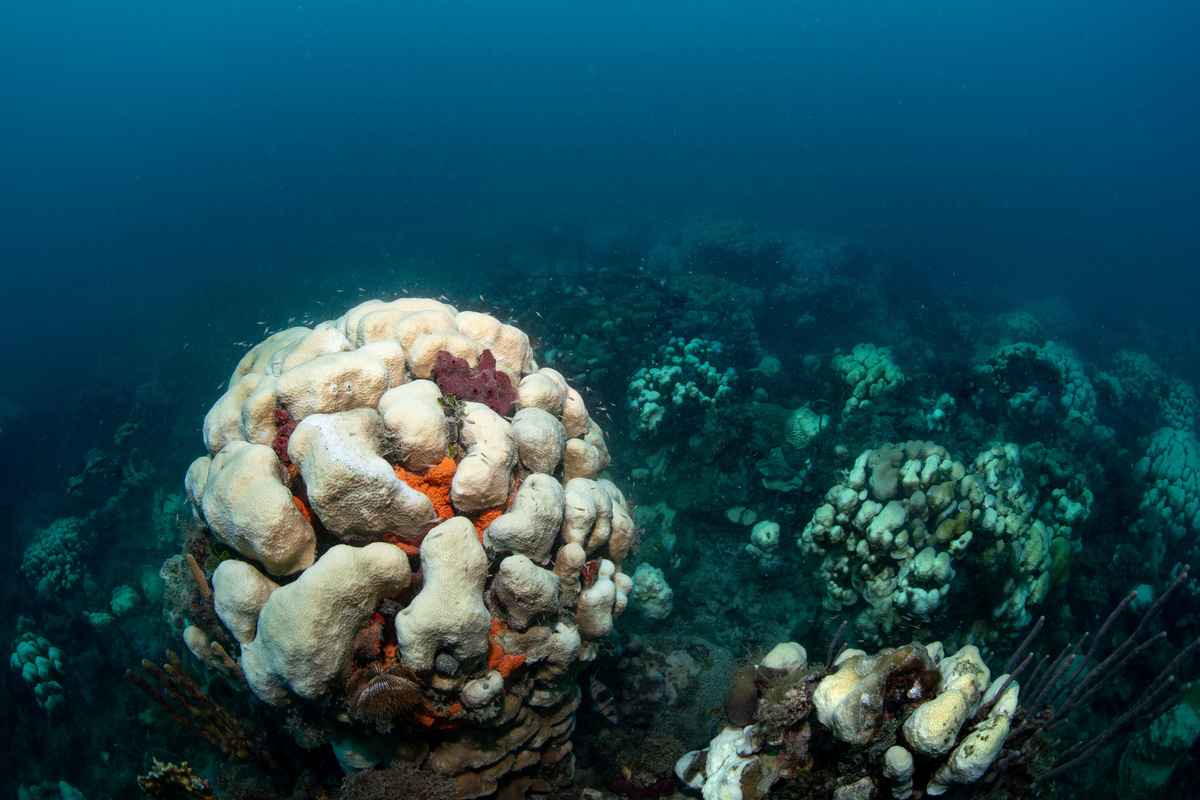
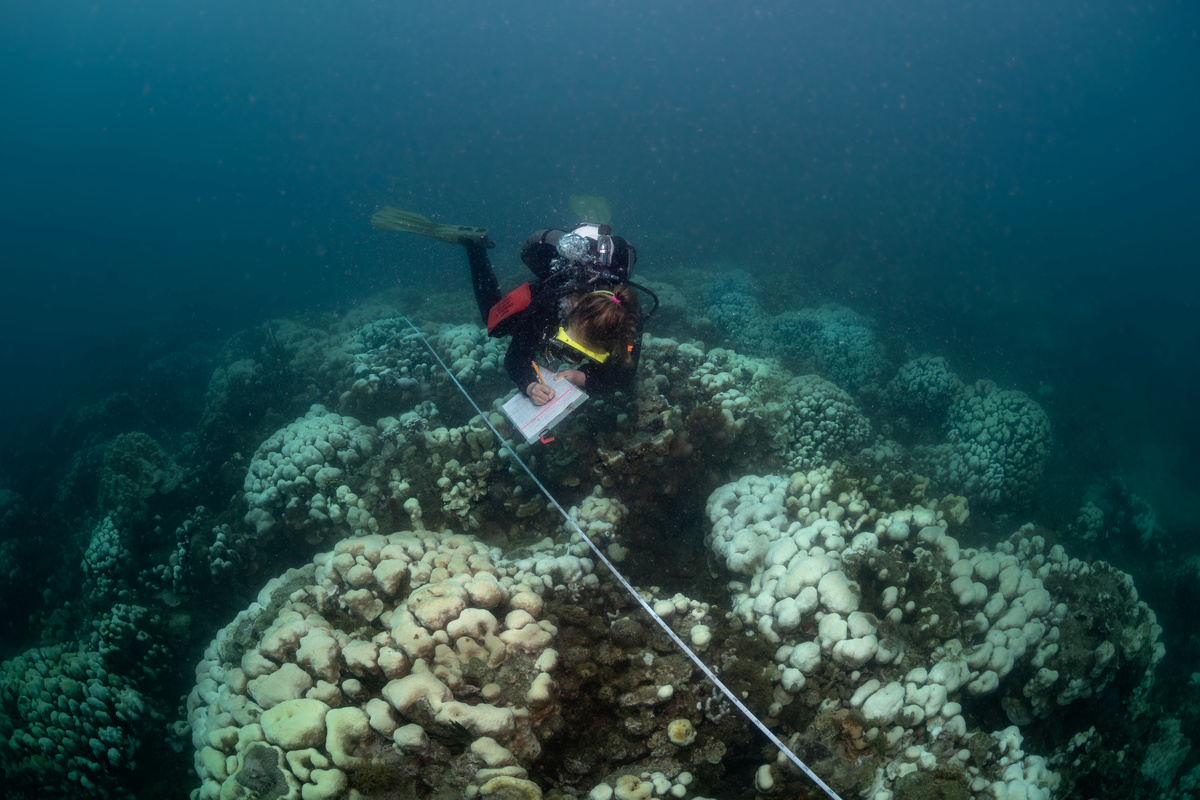
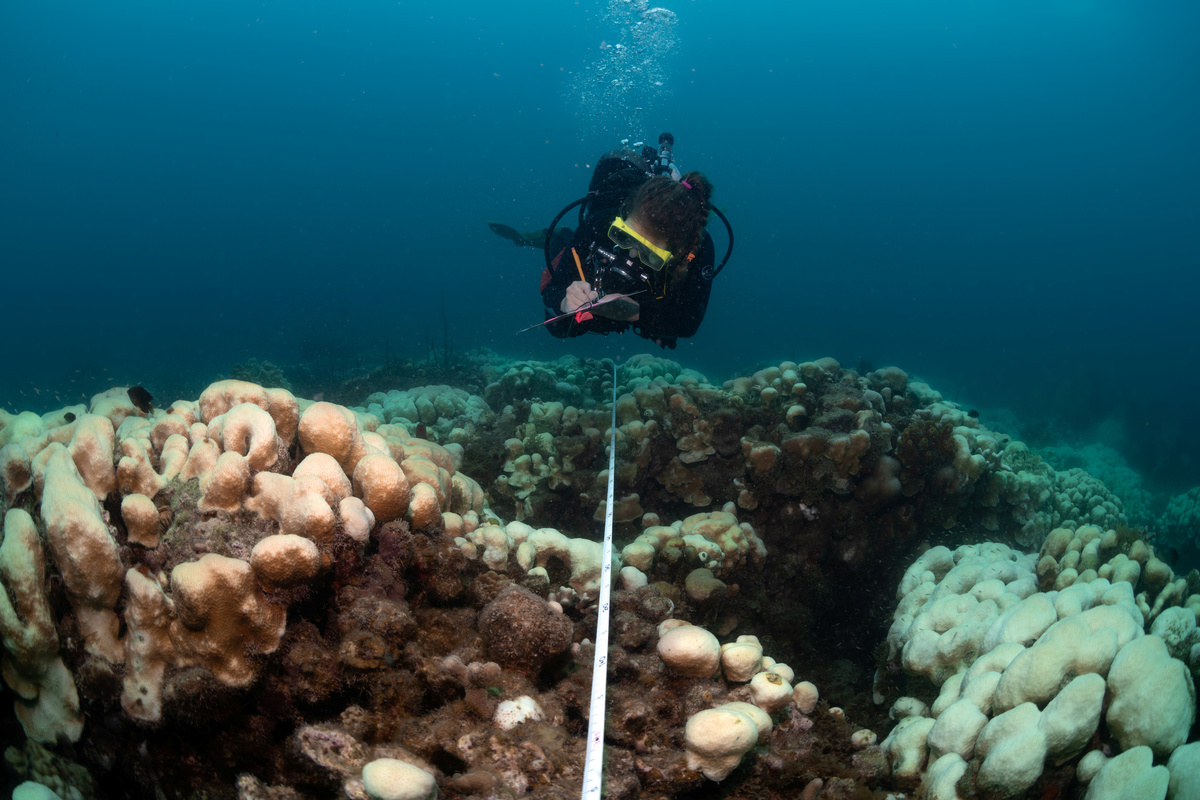
Braddock Linsley poses with a collection of coral cores recovered during a research trip in American Samoa in 2011. Rob Dunbar/Handout via REUTERSBraddock Linsley poses with a coral core recovered during a research trip in American Samoa in 2011 inside of the Lamont-Doherty Earth Observatory of Columbia University in Palisades, New York U.S., November 15, 2019. REUTERS/Columbia UniversityCoral cores recovered from Fiji by Braddock Linsley are shown inside of the Lamont-Doherty Earth Observatory of Columbia University in Palisades, New York U.S., November 15, 2019. REUTERS/Lucas JacksonA research assistant grinds up a slice of a coral core recovered during a research trip in American Samoa in 2011 by Braddock Linsley inside of the Lamont-Doherty Earth Observatory of Columbia University in Palisades, New York U.S., November 15, 2019. REUTERS/Lucas JacksonA research assistant grinds up a slice of a coral core recovered during a research trip in American Samoa in 2011 by Braddock Linsley inside of the Lamont-Doherty Earth Observatory of Columbia University in Palisades, New York U.S., November 15, 2019. REUTERS/Lucas JacksonA research assistant uses a microscope to inspect a slice of a coral core recovered during a research trip in American Samoa in 2011 by Braddock Linsley inside of the Lamont-Doherty Earth Observatory of Columbia University in Palisades, New York U.S., November 15, 2019. REUTERS/Lucas JacksonTape marking the growth path is attached to slices of a coral core recovered during a research trip in American Samoa in 2011 by Braddock Linsley inside of the Lamont-Doherty Earth Observatory of Columbia University in Palisades, New York U.S., November 15, 2019. REUTERS/Lucas JacksonTape marking the growth path is attached to slices of a coral core recovered during a research trip in American Samoa in 2011 by Braddock Linsley inside of the Lamont-Doherty Earth Observatory of Columbia University in Palisades, New York U.S., November 15, 2019. REUTERS/Lucas JacksonCoral cores recovered from Panama by Braddock Linsley are shown inside of the Lamont-Doherty Earth Observatory of Columbia University in Palisades, New York U.S., November 15, 2019. REUTERS/Lucas JacksonA bleaching event causes discoloring as it affects a boulder brain coral (Colpophyllia natans) off the coast of St Thomas in the U.S. Virgin Islands, November 20, 2019. REUTERS/Dan MeleA pink anemonefish swims above a sea anemone in the Great Barrier Reef off the coast of Cairns, Australia October 25, 2019. REUTERS/Lucas JacksonA blue velvet nudibranch crawls on the sand in front of a large sea cucumber in the Great Barrier Reef off the coast of Cairns, Australia October 26, 2019. REUTERS/Lucas JacksonBranching staghorn coral grows on the Great Barrier Reef off the coast of Cairns, Australia October 25, 2019. REUTERS/Lucas JacksonA sergeant major reef fish swims above a staghorn coral colony as it grows on the Great Barrier Reef off the coast of Cairns, Australia October 25, 2019. REUTERS/Lucas JacksonA bleaching event causes discoloring as it affects a brain coral (Diploria Labryinthiformis) off the coast of St Thomas in the U.S. Virgin Islands, November 20, 2019. REUTERS/Dan Mele An Acropora coral colony grows on the Great Barrier Reef off the coast of Cairns, Australia October 25, 2019. REUTERS/Lucas JacksonA green turtle swims through corals on the Great Barrier Reef off the coast of Cairns, Australia October 25, 2019. REUTERS/Lucas JacksonA colony of mushroom leather coral grows on the Great Barrier Reef off the coast of Cairns, Australia October 25, 2019. REUTERS/Lucas JacksonA bleaching event causes discoloring as it affects an entire field of boulder star corals (Orbicella annularis) off the coast of St Thomas in the U.S. Virgin Islands, November 20, 2019. REUTERS/Dan Mele A bleaching event causes discoloring as it affects a staghorn coral (Acropora cervicornis) off the coast of St Thomas in the U.S. Virgin Islands, November 20, 2019. REUTERS/Dan MeleA bleaching event causes discoloring as it affects an entire field of boulder star corals (Orbicella annularis) off the coast of St Thomas in the U.S. Virgin Islands, November 20, 2019. REUTERS/Dan Mele Reef fish swim above recovering coral colonies on the Great Barrier Reef off the coast of Cairns, Australia October 25, 2019. REUTERS/Lucas JacksonUniversity of the Virgin Islands graduate student Sonora Meiling studies the extent of a bleaching event affecting an entire field of boulder star corals (Orbicella annularis) off the coast of St Thomas in the U.S. Virgin Islands, November 20, 2019. REUTERS/Dan Mele University of the Virgin Islands graduate student Sonora Meiling studies the extent of a bleaching event affecting an entire field of boulder star corals (Orbicella annularis) off the coast of St Thomas in the U.S. Virgin Islands, November 20, 2019. REUTERS/Dan Mele University of the Virgin Islands graduate student Sonora Meiling studies the extent of a bleaching event affecting an entire field of boulder star corals (Orbicella annularis) off the coast of St Thomas in the U.S. Virgin Islands, November 20, 2019. REUTERS/Dan MeleAssorted reef fish swim above a staghorn coral colony as it grows on the Great Barrier Reef off the coast of Cairns, Australia October 25, 2019. REUTERS/Lucas JacksonA school of fish swim above a staghorn (Acropora cervicornis) coral colony as it grows on the Great Barrier Reef off the coast of Cairns, Australia October 25, 2019. REUTERS/Lucas Jackson
Sign up to read this article
Read news from 100’s of titles, curated specifically for you.