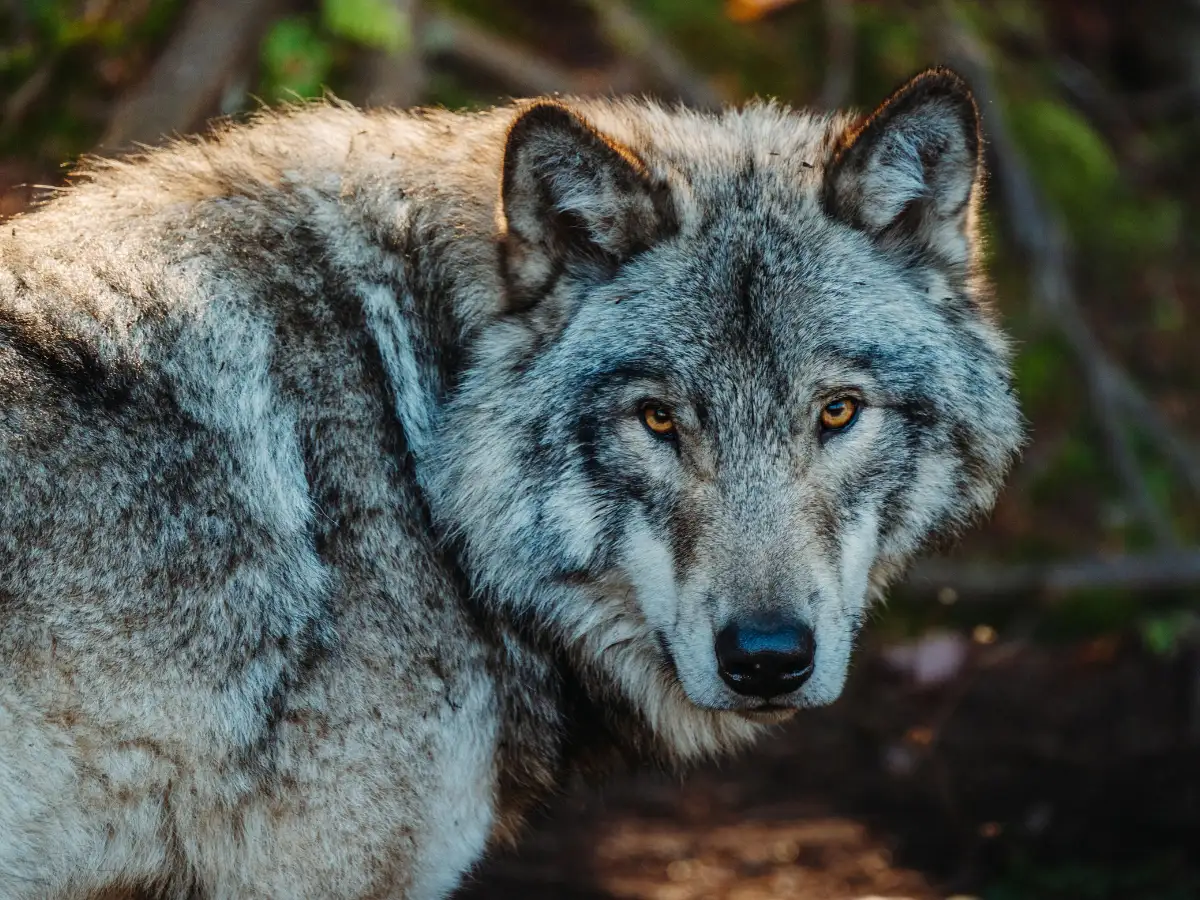
Yellowstone’s wolves have been the feel-good story in American ecology for nearly three decades. Predators return, elk get nervous, willows grow tall again, rivers heal. According to the National Park Service, 14 gray wolves were captured in Alberta, Canada, and brought to Yellowstone in January 1995, then released into the park that spring after a roughly seventy-year absence. It’s a clean narrative, and it’s present in biology textbooks and nature documentaries. A new scientific challenge says it’s time to put the applause on hold.
Second look at a famous claim
According to a comment published in Global Ecology and Conservation by researchers from Utah State University and Colorado State University, a widely publicized 2025 paper by Ripple and colleagues significantly overstated how much wolf recovery actually reshaped the park. The rebuttal was spearheaded by wildlife ecologist Dr. Daniel MacNulty. His argument is blunt: the original claim, that this was one of the strongest predator-driven ecological cascades on the planet, falls apart when you look closely at the math.
The 1,500 percent number that hit the headlines
According to Ripple et al.' s 2025 study in the same journal, willow crown volume jumped by roughly 1,500 percent in the years after wolves returned, an estimate that MacNulty's team now disputes. That’s a big number, the kind that gets passed around the internet quickly because the story behind it is so satisfying. Wolves come back. Elk stop camping in one place and grazing willows down to stubs. The shrubs get room to grow for once.
MacNulty's team says the number itself is wrong. The volume of the willow crown was never directly measured in the field. The regression model was based on plant height data, and the same height data were subsequently used to predict the volume increase explained by the model. So the same measurement built the ruler and then got measured by it.