Photographing Arctic foxes in the remote wilderness in Iceland is as extreme as it gets. Battling temperatures of -22°C (-8°F), fierce winds, and blowing snow, even the simplest task becomes a challenge.
While the resilient Arctic Fox can survive in conditions down to -70°C (-94°F), the relentless Icelandic wind makes hunting – and even keeping their eyes open – difficult. These same conditions also test photographers to their limits, pushing gear and technique to the edge.
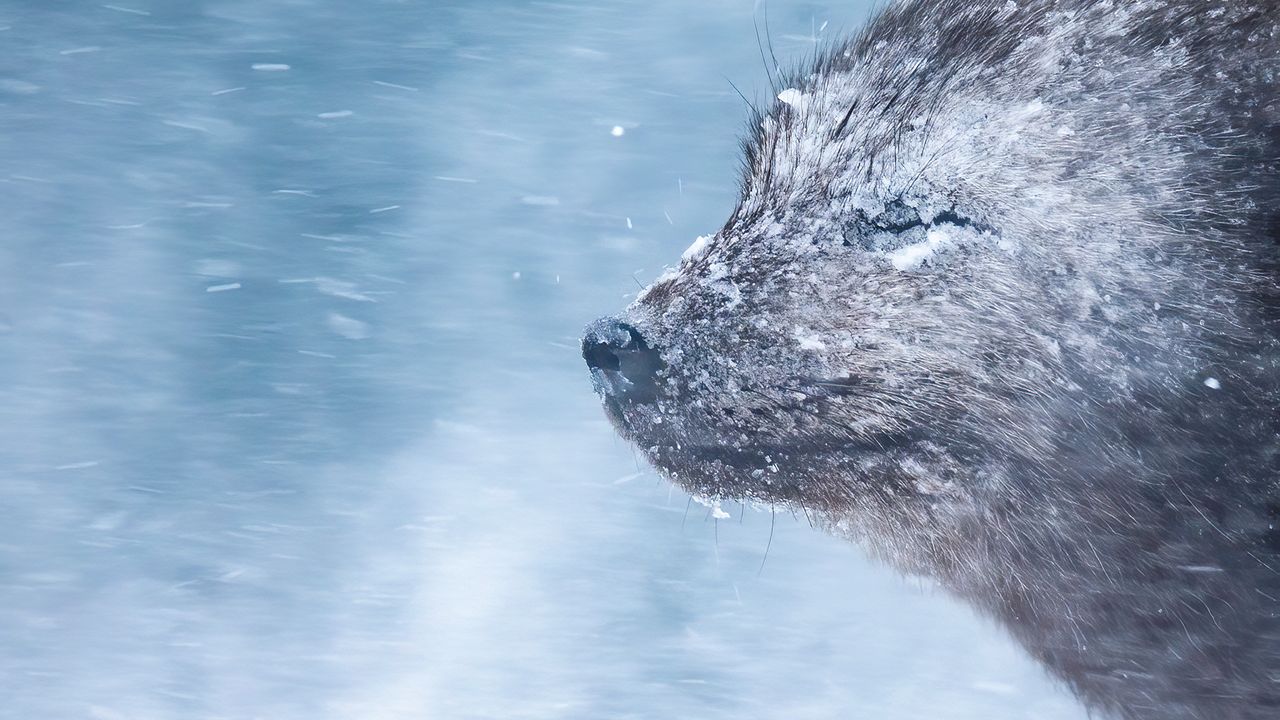
Photographer David Gibbon is known for his wildlife captures and has led photography tours for a decade. In this image, he reveals the story behind a powerful close-up portrait of an Arctic fox, shot using a pro full-frame DSLR, the Canon EOS-1D X, paired with a 150-600mm telephoto zoom, at 1/800sec, f/6.3, and ISO 1250.
The story behind the still
"This shot was taken on the remote Hornstrandir Nature Reserve, in the far northwest of Iceland, during an annual Arctic fox tour that I run there with my wife Louise. We have been running Arctic fox tours each winter in Iceland since 2017.
"I really wanted to capture what these blue morph (brown but called blue) Arctic foxes endure, by showing a close-up of its face. Although Arctic foxes can withstand temperatures down to -70 degrees, they often struggle to open their eyes when strong winds and a fierce snowstorm kick in.
"While it's well-known that their coats help keep them warm, and their snowshoe feet allow them to work on snow, what is less well-known is how gale-force winds and sub-zero temperatures make it very difficult for them to find food, and some do die due to starvation.
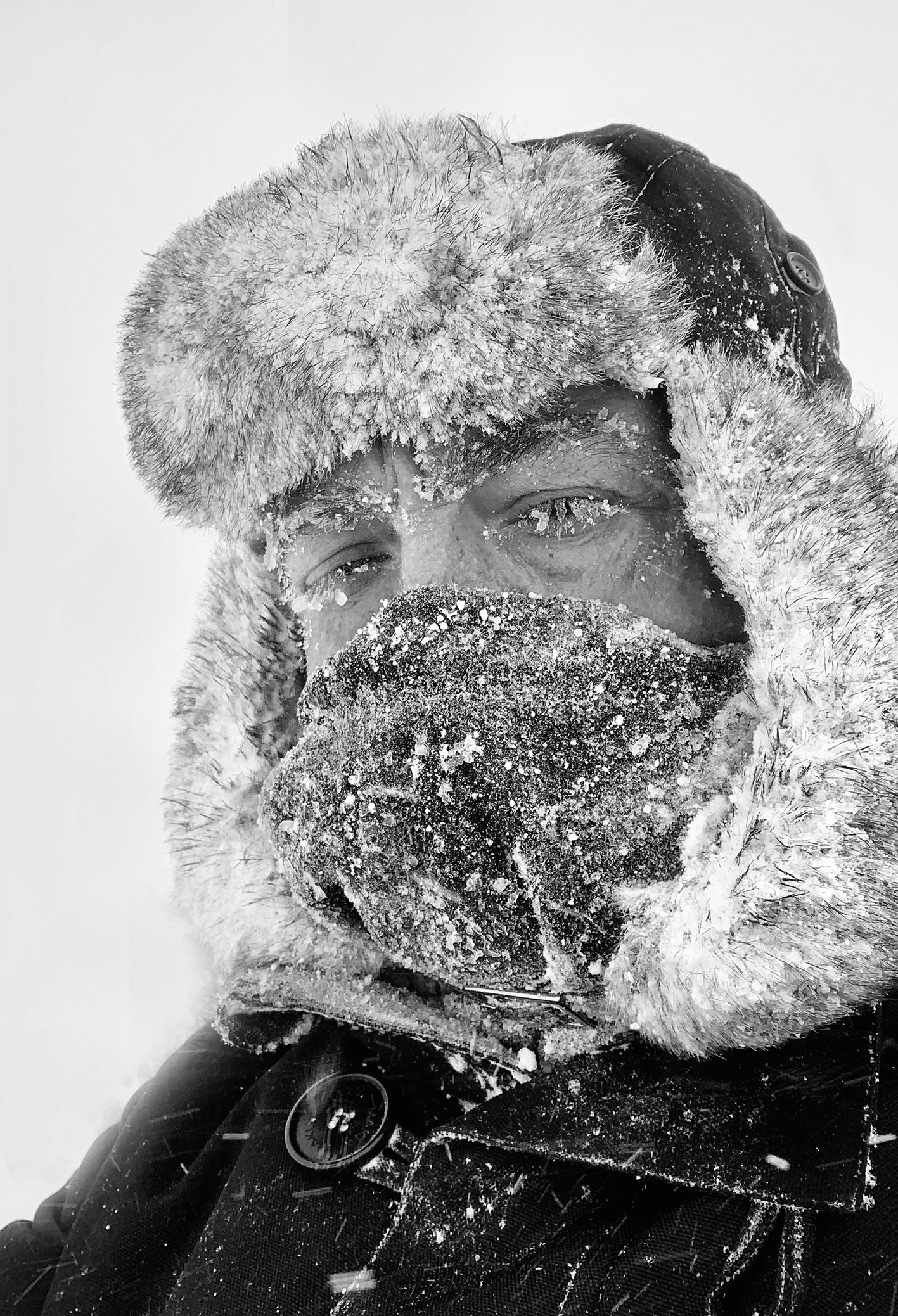
"This Arctic fox could not open its eyes due to the severe winds, highlighted by the visible blowing snow in the shot, while the freezing temperatures saw ice forming across its nose and eyes.
"Reaching Hornstrandir is not easy, as it involves flying to the far north of Iceland and then sailing on both a boat and Zodiac (inflatable boat) across the Atlantic Ocean – often in rough seas – to get to this remote and desolate place.
"Stinging hands while photographing the Arctic fox was an issue, as temperatures dropped to -22 degrees with wind-chill. Focusing was the main challenge, though, as the camera was trying to lock onto the falling snow rather than the Arctic fox.
"I upped the ISO to increase the shutter speed, to freeze the blowing snow and keep the Arctic fox as sharp as possible."
You might like...
Browse the best cameras for wildlife photography, and the best lenses for bird photography and wildlife.