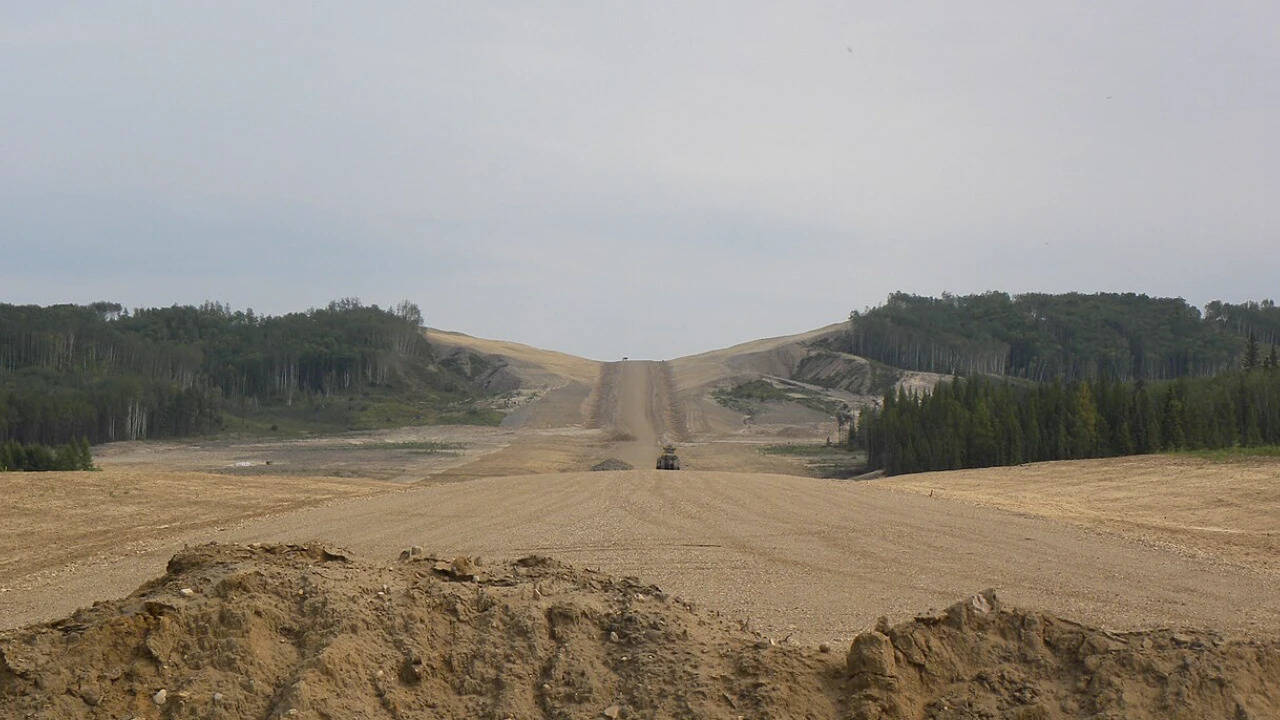
The surface of the Alberta boreal forest can look like an industrialised region. To extract bitumen that is found far below the ground level, surface mining requires that all plants and trees be stripped off the land surface. This process creates an open area that is denuded of its vegetation cover. For many years now, efforts for rehabilitation of the mined land have been focused on piling up the soil and planting nursery stock plants.
Get breaking news anytime, anywhere. Download the TOI app now!
To address this challenge, scientists and land restoration managers refined a technique known as direct placement topsoil salvage. Instead of storing salvaged forest topsoil before reclamation, the method places it directly onto reclaimed oil sands sites. Because the transferred material retains the organic soil layer and its natural seed bank, researchers were able to evaluate how salvage and placement depth influenced plant establishment and vegetation recovery.
The detailed mechanisms and long-term effectiveness of this soil transfer strategy were evaluated in a study published in PLOS One, titled Forest topsoil salvage and placement depth affects oil sands reclamation in the boreal forest . The study, conducted by Canadian environmental researchers Dean D. Mackenzie and M. Anne Naeth, tracked how different topsoil depths and underlying mineral placement affected plant community re-establishment at post-mining sites. Using vegetation surveys over multiple growing seasons, the researchers assessed how topsoil salvage and placement depth influenced early vegetation recovery.
As noted in the study, salvaged boreal forest topsoil supported the establishment of plant communities during reclamation. Within three years of topsoil placement, 61 plant species were recorded in the reclaimed plots, highlighting the role of salvaged forest topsoil in early vegetation recovery. Among these were native shrubs, perennials, grasses and trees that had grown from the seed bank contained in the soil.
Why did salvaged forest topsoil support plant recovery?
This technique works because the upper organic layers of boreal forest soils contain important biological material, including seeds, roots and microbial communities that contribute to vegetation recovery. Preserving this layer during reclamation helps retain the natural components that support plant establishment. However, if the organic topsoil layer is mixed with larger amounts of nutrient-poor subsoil during salvage, the concentration of seeds and other biological material may become diluted, potentially reducing its effectiveness in supporting vegetation recovery.
The field measurements showed that salvage depth influenced vegetation development, with shallower salvage treatments associated with higher tree stem densities and greater canopy cover for most plant groups. The transferred forest floor helped native species establish quickly on the bare ground. Within three years of topsoil placement, the reclaimed sites showed increased plant diversity and vegetation cover, reflecting the role of salvaged forest topsoil in supporting the early development of boreal plant communities.
In addition to ensuring proper plant growth, the study proposes that the direct placement of salvaged topsoil can help in early vegetation recovery, as it would maintain the organic surface layer with all the natural biology associated with it.
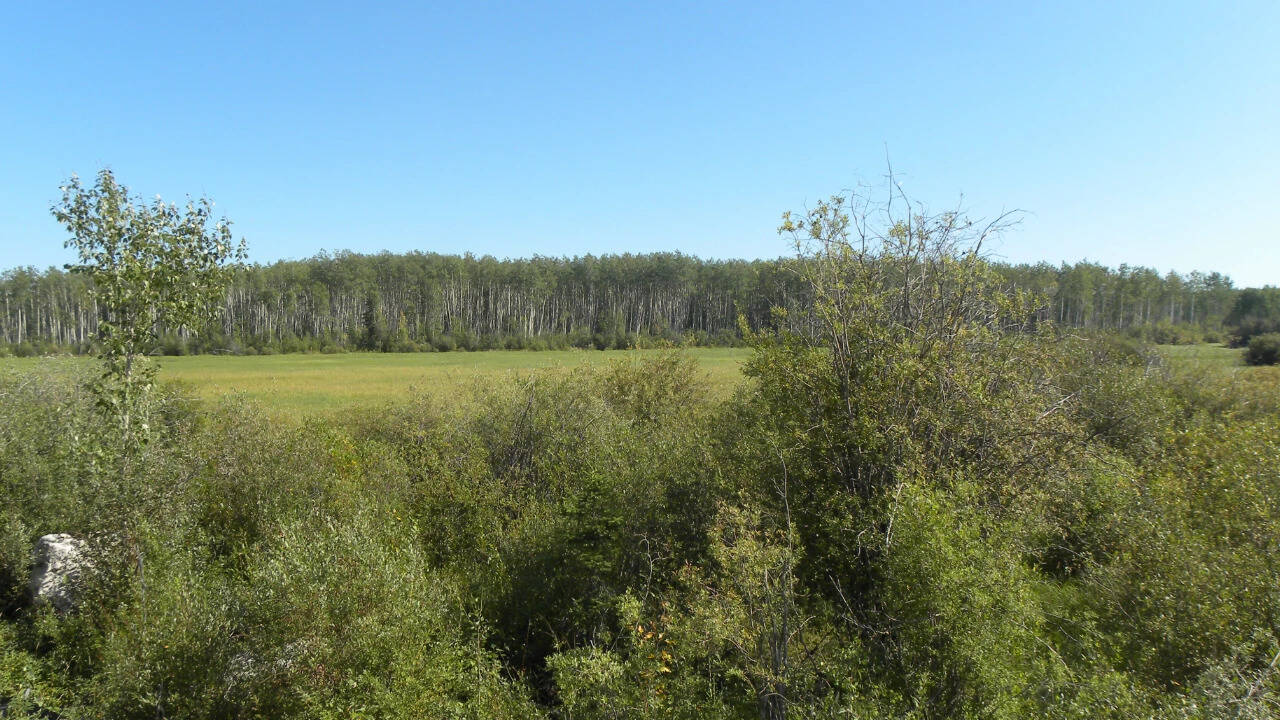
A sustainable approach to industrial reclamation
The study shows that there is a promising strategy for land reclamation in areas abundant in natural resources. With stricter reclamation laws being introduced, regular reforestation alone may no longer be sufficient to meet these demands. Topsoil salvage could help to comply with them while protecting biodiversity.
Through the application of the forest floor as a biological source, a quicker process of reclamation of industrial lands has been discovered. The experiment revealed that the direct placement of salvaged topsoil from the forest can contribute to the regrowth of vegetation on oil sands sites.