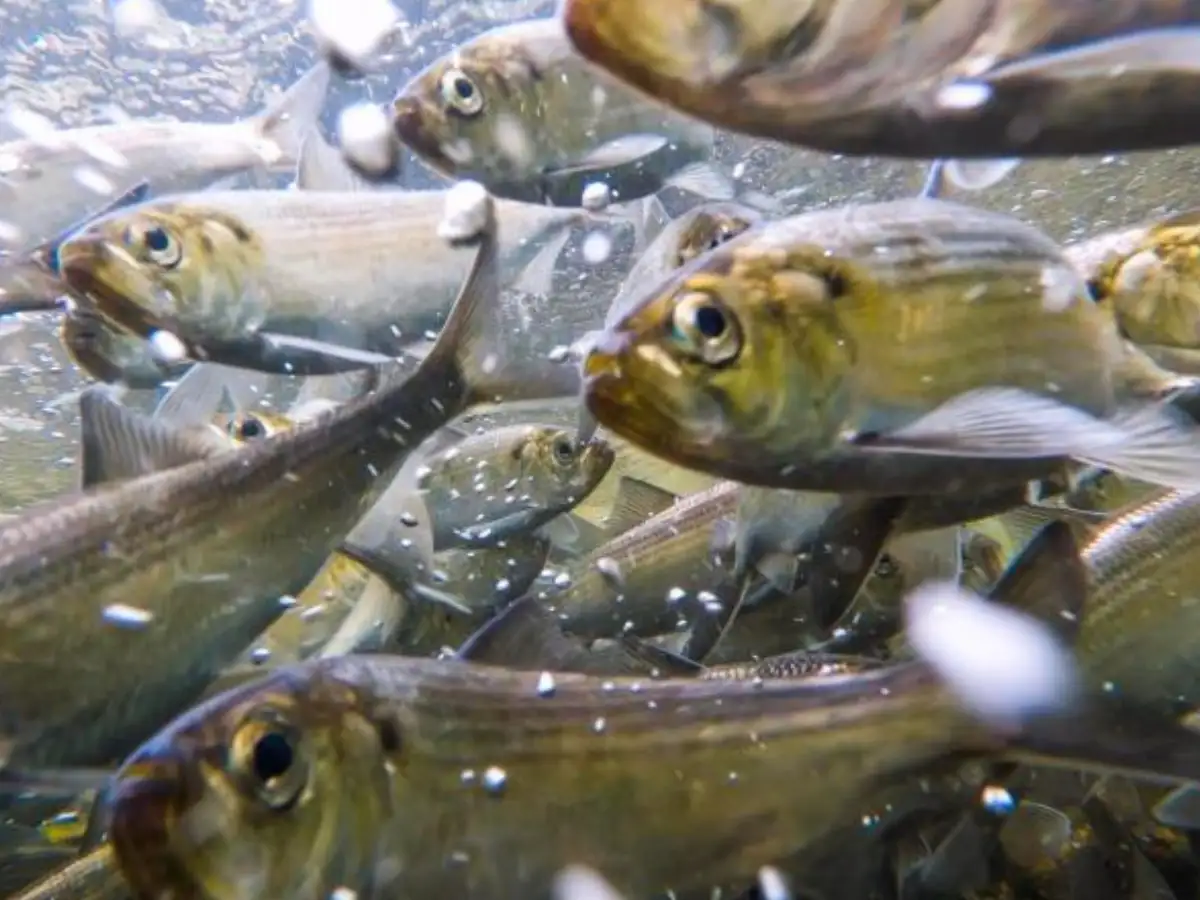
A tiny fish is quietly telling one of the best environmental comeback stories in America, and almost no one outside New England has probably heard it. In 2012 and 2013, Maine lost two hydroelectric dams. According to a University of Maine research team writing in the journal Transactions of the American Fisheries Society, that decision triggered rapid, measurable changes across the entire fish community of the Penobscot River within just a few years after the dams were gone.
A river that almost went silent
200 years ago, industrial development forever changed the Penobscot. More than 100 dams were eventually built on the river, and pollution followed, according to NOAA Fisheries. The watershed once supported as many as 100,000 Atlantic salmon, tens of millions of river herring and several million American shad each year, NOAA Fisheries engineer Matthew Bernier told the agency.
By 2010, the collapse was nearly complete. That year, only two alewives, a type of river herring, were counted at the Veazie Dam, on a river that NOAA estimates once carried 14 to 20 million of them annually, in 2012, according to a report. For the Penobscot Nation, which has fished this river for thousands of years, that collapse was not only an ecological one. NOAA Fisheries says the tribe last harvested Atlantic salmon for ceremonial purposes in 1988 and that losing that fishing tradition has affected community health and identity ever since.