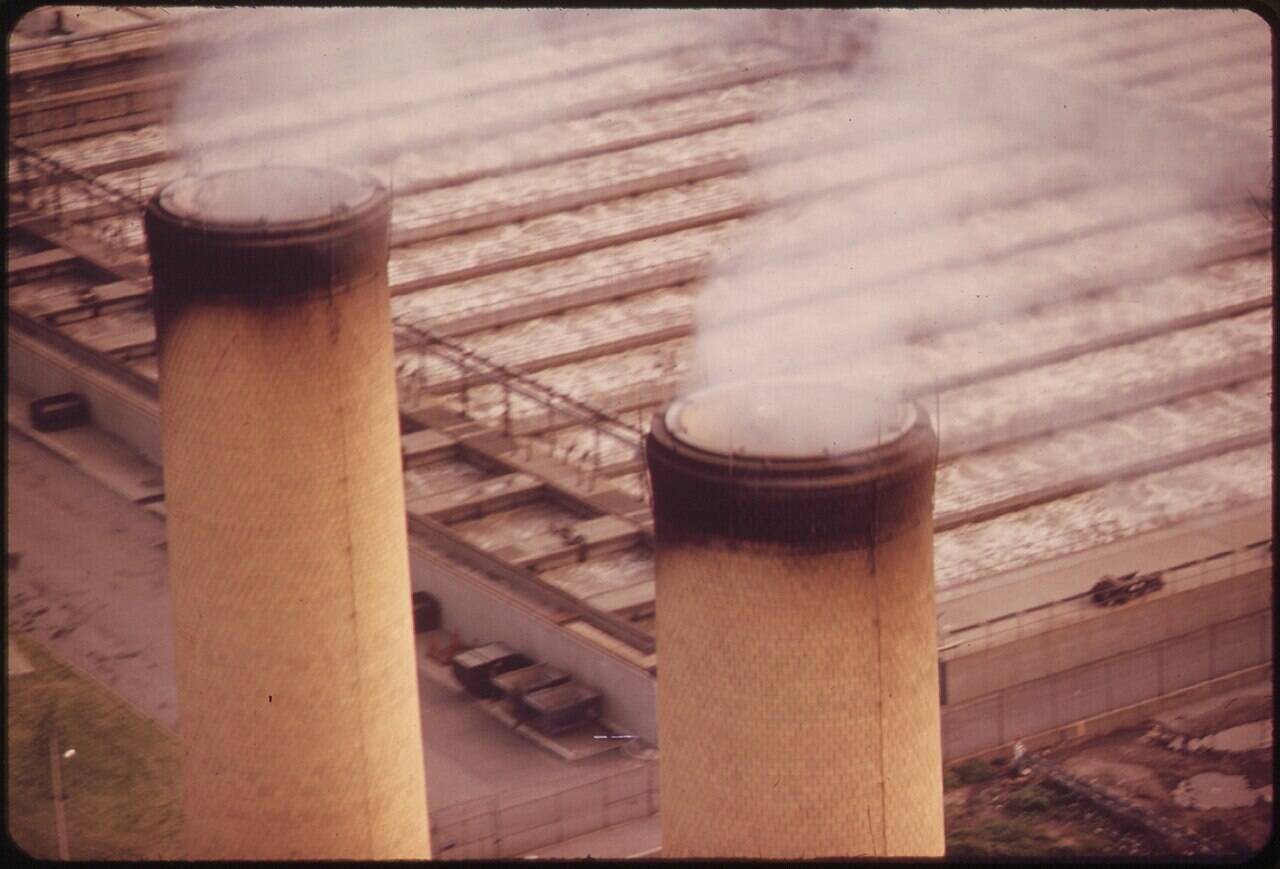
Acid rain was one of the most significant environmental issues in the United States in the late twentieth century. Sulphur dioxide (SO₂) and nitrogen oxides (NOₓ) from fossil-fuel power plants travelled through the atmosphere and later fell as acid rain. This not only posed problems for the environment but also caused air pollution. As a means of addressing this issue, the Acid Rain Program was established under the Clean Air Act Amendments of 1990.
Get breaking news anytime, anywhere. Download the TOI app now!
According to the US Environmental Protection Agency's Acid Rain Program , the initiative was created under Title IV of the Clean Air Act to cut sulphur dioxide and nitrogen oxide emissions, the main pollutants that cause acid rain. It became the first nationwide cap-and-trade programme in the United States, setting a long-term limit on total SO₂ emissions from electricity generating units while allowing companies to buy, sell or save emission allowances. The EPA says this market-based approach gave power producers the flexibility to reduce pollution most cost-effectively while meeting national environmental goals.
The programme was introduced in two stages. Phase I began in 1995 and applied to hundreds of mainly coal-fired generating units across eastern and midwestern states. Phase II started in 2000, expanding the programme to cover more than 2,000 electricity generating units, including smaller plants fuelled by coal, oil and natural gas. Under the allowance system, each allowance represented one ton of sulphur dioxide emissions. Facilities that emitted less than their allocated limit could save or trade unused allowances, while those that exceeded their limits had to obtain additional allowances to remain compliant.
By contrast, nitrogen oxide cuts followed a different approach from the SO₂ programme. The NOₓ provisions used a system of emission rate limits that primarily affected electricity generating units using coal fuel. In EPA's words, the programmes used different methods but shared the same goal: to achieve significant emission cuts through flexible compliance.
How the programme changed air pollution controls
The Acid Rain Program was significant because it regulated emissions outcomes rather than dictating how individual sources had to achieve them. The EPA set a final SO₂ cap of 8.95 million tons for 2010, about half the 1980 level of power-sector emissions. Individual firms were free to cut emissions by improving technology, changing fuels or buying allowances from other facilities.
The EPA describes the allowance trading system as an important innovation because it encouraged pollution reductions while giving companies flexibility to choose the most practical compliance strategy. Facilities that reduced emissions below their allocated allowances could retain unused allowances for future years or sell them to other power plants. This approach helped reduce pollution while supporting efficient compliance across the electricity sector.
The programme also relied on continuous emissions monitoring to measure pollutants released by the facilities. This ensured the measurements were real and not just estimates, giving regulators the ability to check compliance and track every ton of sulfur dioxide emitted. The monitoring system became part of what it took to maintain the credibility of the programme for decades to come.
What has been achieved over three decades
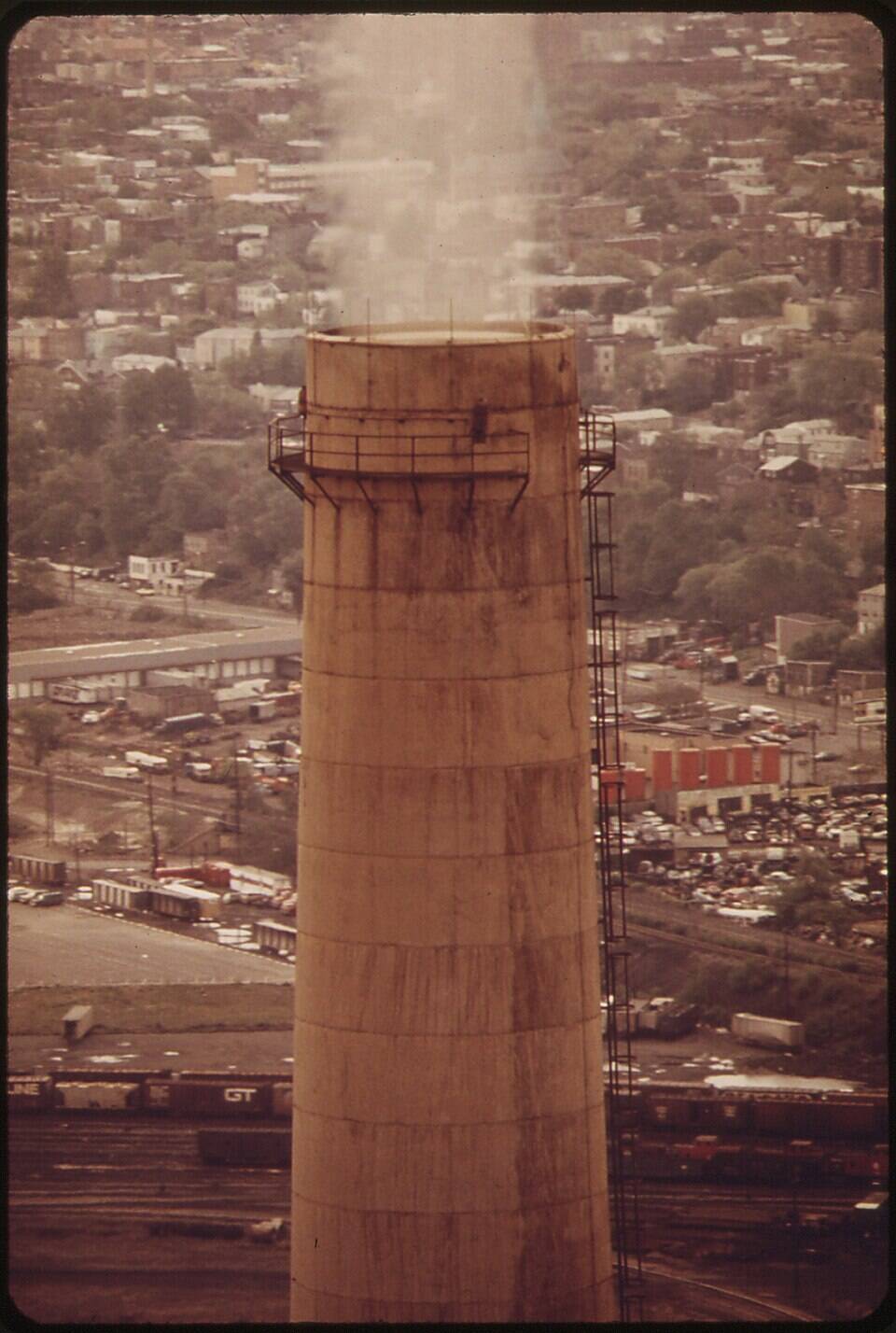
EPA's Acid Rain Program Results offer insight into the program's long-term effects, along with the impact of other power-sector regulations and changes in the energy sector. Collectively, they have reduced annual sulfur dioxide emissions by more than 95 per cent and annual nitrogen oxide emissions by more than 89 per cent. According to the EPA, these reductions have provided substantial environmental and public health benefits at a much lower cost than anticipated.
The decline in emissions has also led to measurable reductions in acid deposition across the country. Wet sulphate deposition, one of the EPA's key indicators of acid rain, fell by more than 70 per cent between the 1989-1991 and 2020-2022 monitoring periods. The agency's long-term monitoring shows that lower sulphur emissions have translated into widespread improvements in atmospheric deposition.
The EPA also uses its Long Term Monitoring programme to assess how declining acid deposition is affecting lakes and streams over time. According to the agency, the number of monitored lakes and streams experiencing critical load exceedances improved by 81 per cent over the same period. Critical load exceedance is used to identify when acid deposition reaches levels capable of causing harmful environmental effects. The EPA explains that this long-running monitoring programme helps assess whether the Clean Air Act Amendments have been effective in reducing the acidity of surface waters over time.
Although the Acid Rain Program remains in place, it now operates alongside newer clean air initiatives, including the Cross-State Air Pollution Rule programs. The EPA states that the combined effect of these programmes, together with changes across the energy sector, has contributed to the substantial emission reductions recorded over recent decades.
Thirty years after its creation, the Acid Rain Program remains a successful example of long-term environmental policy. Through scientific monitoring, emissions caps and allowance trading, the program has helped reduce pollution and track environmental recovery. Continued EPA monitoring shows that acid deposition has declined and aquatic ecosystems have improved since the policy was implemented.