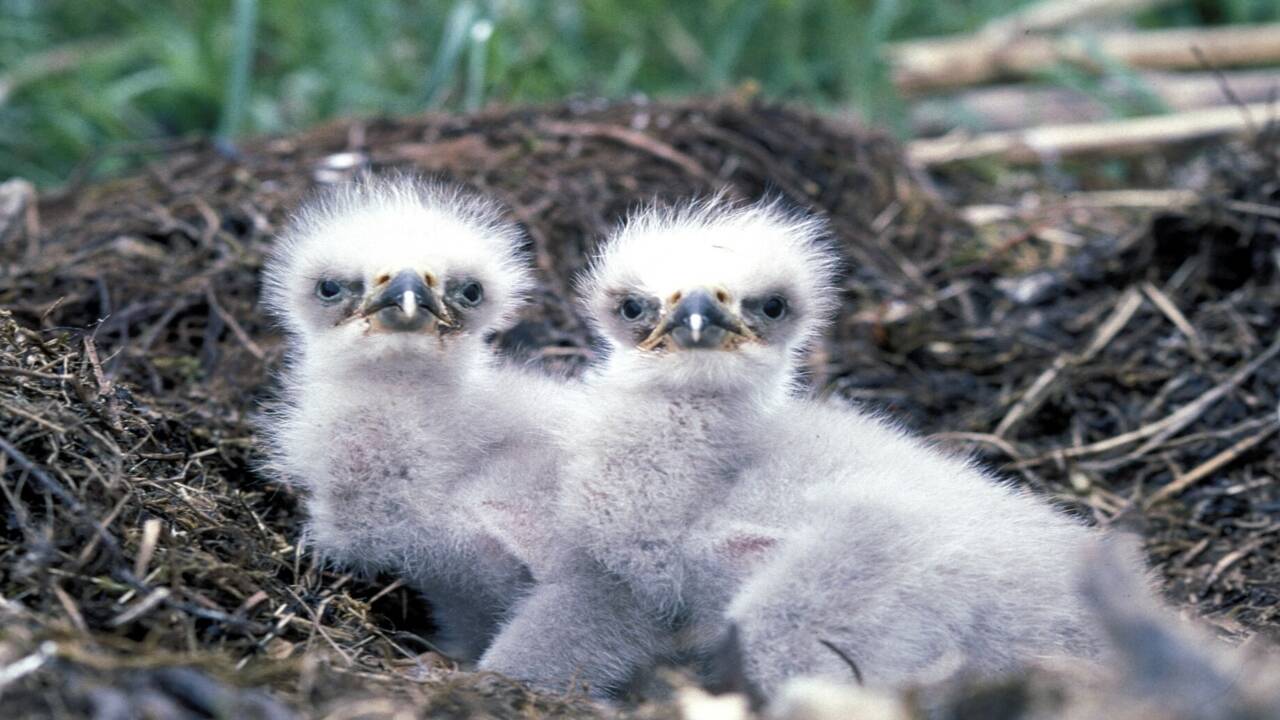
By the mid-20th century, bald eagle populations across the United States were nearing extinction. Decades of habitat destruction, direct shooting, and widespread agricultural pesticide use had devastated bald eagle populations. The most severe threat came from DDT, a long-lasting chemical pesticide that accumulated in aquatic food chains. When adult eagles consumed contaminated fish, the chemical disrupted calcium processing, causing females to lay eggs with paper-thin shells that broke under their own weight during incubation. By 1976, New York had only one remaining breeding pair of bald eagles, near Rushford Lake in Allegany County. Even this lone pair repeatedly failed to produce young because DDT had thinned their eggshells so severely that the eggs collapsed during incubation.
Get breaking news anytime, anywhere. Download the TOI app now!
With only one unproductive nesting pair remaining, New York wildlife biologists began looking for a way to rebuild the state's breeding population. Peter Nye , an NYSDEC biologist who spearheaded the restoration effort, helped develop an ambitious and untested plan based on a technique known as "hacking". Nye envisioned bringing healthy young eagle chicks from thriving populations in Alaska and rearing them on elevated wooden platforms in New York until they fledged. Known as "hacking," the technique had long been used by falconers to train young raptors, but it had never been tried on a large scale to re-establish a regional bald eagle population in the wild.
How artificial hacking towers brought wild eagles back to New York
In the summer of 1976, Nye and his small team of researchers constructed the first artificial hacking tower at the Montezuma National Wildlife Refuge in central New York. Built above the marshland, the wooden structure used wire cages to protect the eaglets from ground predators such as raccoons and bobcats. To stock the early hacking sites, conservationists obtained young bald eagles from healthier populations outside New York. During the program's initial phase, birds came from Michigan, Minnesota and Wisconsin, as well as the U.S. Fish and Wildlife Service's captive breeding facility at Patuxent, Maryland.
The strategy relied on the tendency of bald eagles to return to the general area where they fledged when they later established breeding territories. NYSDEC biologists placed young birds on artificial nesting platforms several weeks before they were ready to fly, allowing them to become familiar with the surrounding landscape. The researchers hoped that the birds would later return to New York to breed, even though they had hatched elsewhere.
According to historical wildlife management records preserved by the U.S. Fish and Wildlife Service , maintaining the hacking towers required careful daily feeding and monitoring while minimising human contact. Caretakers worked from concealed observation blinds and fed the eaglets without allowing the birds to associate people with food.
How the recovery project scaled up
Four years later, in 1980, the two birds were found nesting near Watertown in northern New York. In their first breeding attempt, they hatched two chicks and successfully fledged one. After the initial phase proved that hacking could work, New York expanded the programme. Between 1976 and 1988, the restoration effort released a total of 198 nestling bald eagles at four sites across the state. Most of the birds used during the large-scale phase came from Alaska, where bald eagle populations remained healthy.
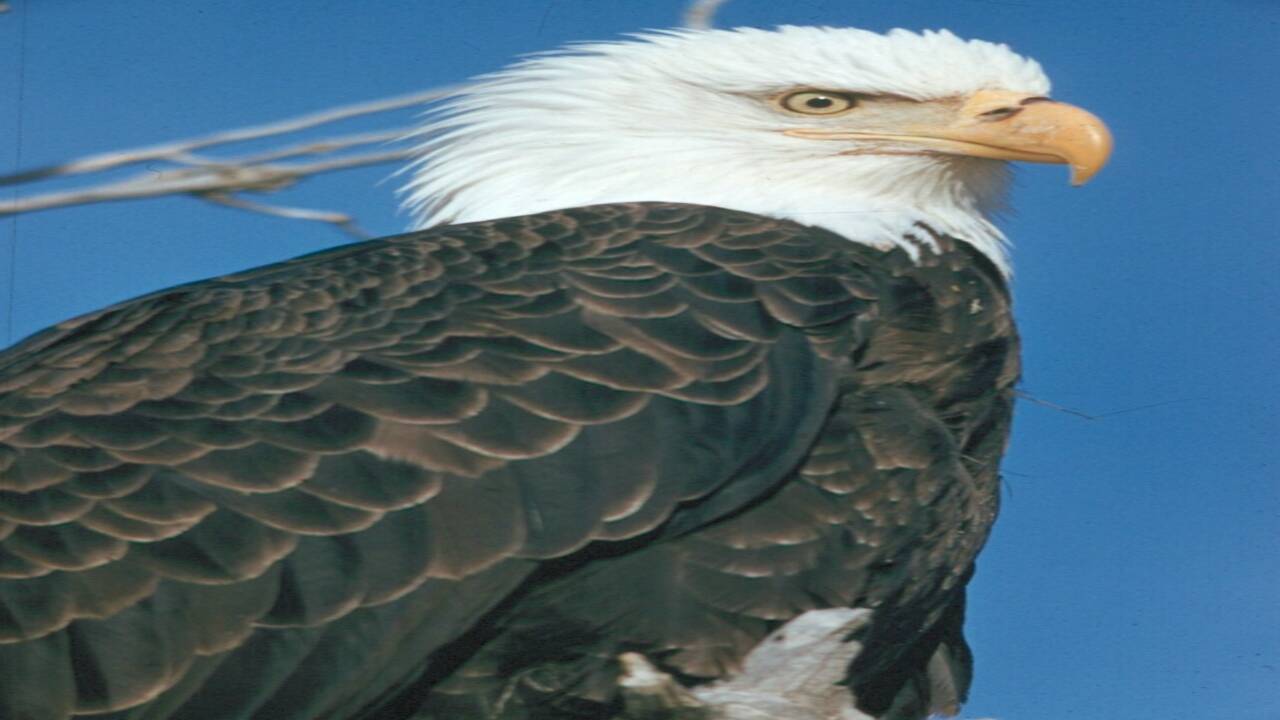
The project required patience from conservationists, as young bald eagles do not reach sexual maturity or develop their white head and tail plumage until they are four or five years old. The key test came in 1980, when a pair of released eagles built a nest near Watertown, New York, and successfully fledged two chicks. During their first breeding attempt, they hatched two chicks and successfully fledged one, providing the clearest early evidence that hacked eagles could return to New York and reproduce in the wild.
A lasting victory for North American wildlife conservation
By 1989, the restoration programme had achieved its original goal of establishing 10 breeding pairs in New York, and the hacking programme ended. The state's eagle population continued to grow as hacked birds returned to breed, while the effects of the DDT ban and improved environmental conditions supported wider recovery.
The recovery has continued far beyond the original restoration project. By the 2020s, New York's bald eagle population had expanded dramatically from the single remaining breeding pair present when the restoration programme began. NYSDEC reported more than 400 breeding pairs across the state in 2024. The hacking methods developed by Peter Nye and his team influenced similar eagle reintroduction initiatives across the United States and Canada. What began in 1976 as an effort to save a single infertile nesting pair became a lasting wildlife restoration effort across the region.