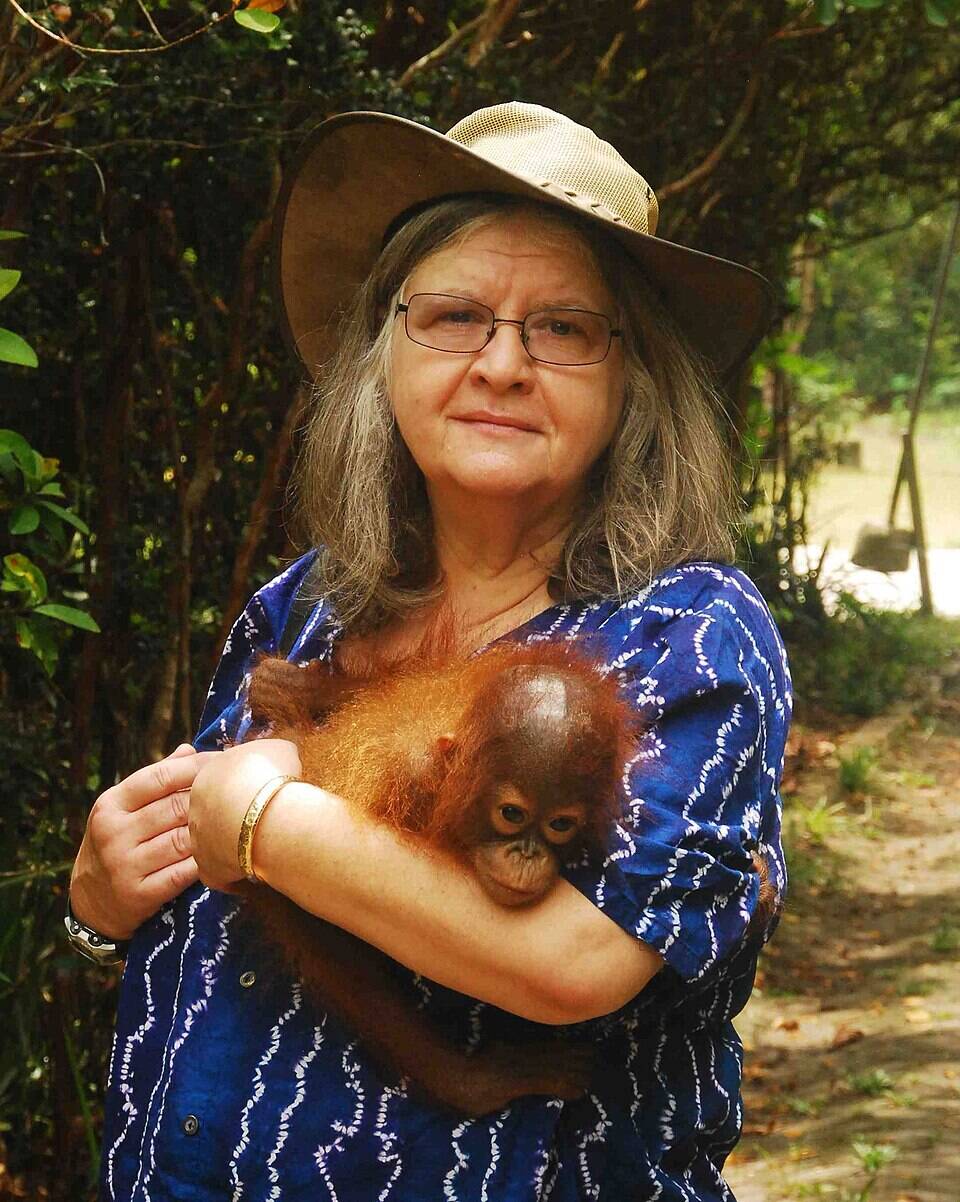
When Biruté Galdikas ventured into the tropical forests of Borneo in 1971, it was a difficult environment. According to the Orangutan Foundation International , her early fieldwork involved living in challenging rainforest conditions while studying wild orangutans.
Get breaking news anytime, anywhere. Download the TOI app now!
There were dense swamps, leeches, insects, snakes, and dangerous animals everywhere. However, Galdikas was there to study one of the best-known species of great apes: the orangutan.
According to the Orangutan Foundation International , Galdikas has spent decades conducting research on wild orangutans and working towards their conservation through rehabilitation and habitat protection efforts. Among her many achievements is the establishment of the Orangutan Foundation International, which has worked to rehabilitate and return orphaned and displaced orangutans to the forest while supporting orangutan conservation efforts.
The scientist who made Borneo her long-term base
Galdikas was born in Wiesbaden, Germany, in 1946 to Lithuanian parents and grew up in Toronto, Canada, where she developed an early fascination with human evolution and animal behaviour. During her studies at the University of California, Los Angeles, she met the famous palaeoanthropologist Louis Leakey and was inspired to carry out fieldwork with orangutans.
Together with chimpanzee specialist Jane Goodall and gorilla expert Dian Fossey, Galdikas was part of the trio of female scientists many called “Leakey’s Angels”. In 1971, Galdikas founded Camp Leakey in Central Kalimantan, Indonesian Borneo. The name of the research camp was dedicated to her mentor. According to the Orangutan Foundation International , the camp became the site of one of the world’s longest-running studies of wild orangutans.
According to the Orangutan Foundation International, Camp Leakey was established in 1971 by Biruté Galdikas and Rod Brindamour in the Tanjung Puting Reserve, which later became part of Tanjung Puting National Park. It began as a small research site and later developed into a permanent base for scientists, staff, students and park rangers.
OFI says it has since supported dozens of researchers and students, with projects ranging from orangutan behaviour and cognition to gibbon ecology and river-system studies. Camp Leakey was extremely difficult to live and work in. For many years, Galdikas followed orangutans through thick rainforests day after day.
Her research changed what the world knew about orangutans
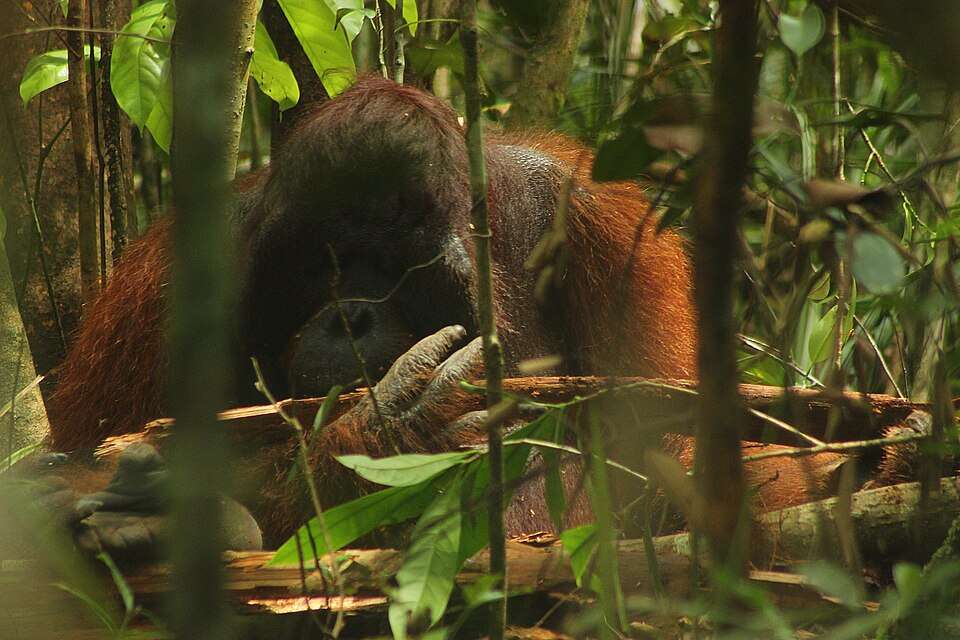
Before Galdikas’s research, scientists had only limited knowledge about orangutan behaviour. Her decades of observation expanded scientific understanding of orangutan behaviour. Research, including studies published in the American Journal of Primatology and the Journal of Human Evolution, has examined aspects of orangutan behaviour, including their development, social relationships, and cognitive abilities.
Another important finding of Galdikas is the long birth interval of orangutans, which is one of the largest in mammals. Mothers of orangutans take a lot of time to care for and teach their babies; hence, female orangutans only reproduce every few years.
Furthermore, her research suggested that orangutans may play an important role in forest ecosystems by dispersing seeds. Therefore, they help to restore the forests, and they are referred to as “gardeners of the forest”.
According to the IUCN Red List , all three orangutan species are classified as Critically Endangered, with habitat loss caused by deforestation, agricultural expansion and forest conversion among the biggest threats to their survival.
From orangutan studies to their conservation
As Borneo’s forests came under threat from logging, fires and palm oil plantations, Galdikas gradually shifted her work from research to orangutan conservation. In 1986, she established the Orangutan Foundation International in order to protect orangutan habitats and run rehabilitation programmes.
The foundation manages the Orangutan Care Centre and Quarantine in Central Kalimantan, where abandoned and displaced orangutans receive treatment, rehabilitation and preparation for release into the forest. According to the Orangutan Foundation International, over 1,000 orangutans have been returned to their natural habitats through their conservation projects.
A debated but lasting legacy
Another controversial aspect of Galdikas’s work was how her close relationship with rescued orangutans might affect their behaviour after release into the wild. Many of the orphaned orangutans had lost their mothers to human activity and needed extensive care to survive. Rehabilitation methods have changed over time as researchers have learned more about animal welfare and disease. Orangutans came to be seen as intelligent animals with distinct social bonds and individual personalities.
Why her work still matters
Forests in Borneo continue to be affected by deforestation, climate change and development activities. According to WWF’s orangutan conservation page , habitat loss remains a major threat to orangutan survival. Galdikas’s more than 50 years of research showed that animal conservation requires protecting habitats and working with local communities. From a young researcher entering the swamps of Borneo to an international conservation figure, her career has become a notable conservation story.