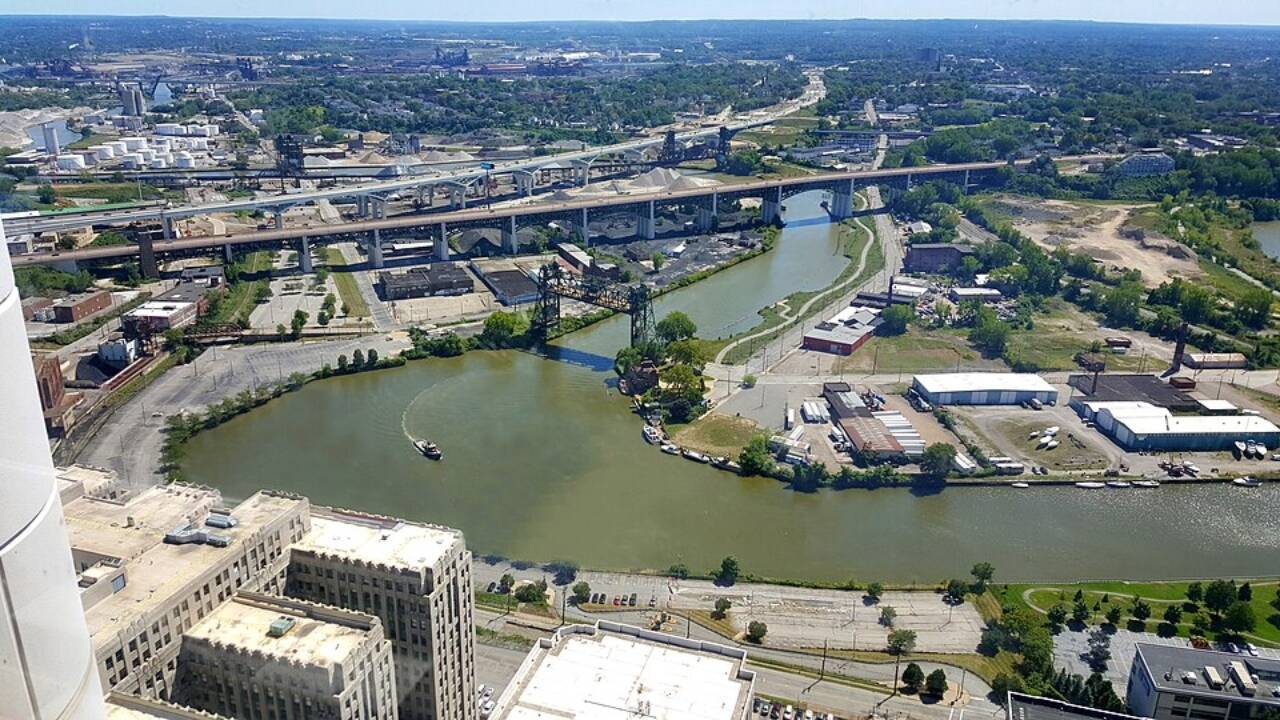
According to NPS, on 22 June 1969, a spark from a passing train ignited an oil slick floating on Ohio’s Cuyahoga River and produced what became the river’s 13th recorded fire incident since the late 19th century. While the blaze itself lasted about an hour and caused relatively little physical damage, its symbolism proved far more powerful than its size. According to the U.S. National Park Service , the widespread national media coverage transformed the burning river into an icon of industrial pollution, thus helping galvanise public support for stronger environmental protection programmes. More than five decades later, the Cuyahoga River is often cited as an environmental recovery story, with restored fish populations and improved water conditions.
Get breaking news anytime, anywhere. Download the TOI app now!
The fire that ignited a nationwide interest
For decades, heavy discharge of petroleum, industrial chemicals and untreated sewage had left the lower river highly flammable. Notably, early fires, including a major blaze in 1952, caused major physical damage, and by 1969 public opinion on pollution was changing rapidly. National magazines and media highlighted the event, thus turning the Cuyahoga River into a symbol of the environmental costs of unchecked industrialisation. Many historians widely regard the 1969 fire as one of the several events that helped build momentum for the modern environmental movement in the United States.
According to the National Park Service, the years following the fire saw the establishment of the U.S. Environmental Protection Agency in 1970, the first Earth Day, and the passage of the Clean Water Act in 1972. Although researchers caution that these reforms came from multiple environmental crises, and not just from the Cuyahoga fire, the burning incident became a widely recognised image of polluted waterways in the country and helped build support for stricter pollution controls nationwide.
From accumulating industrial wastes to recovering ecosystems
According to the EPA , the decades that followed saw a major river restoration project in the country, with billions of dollars being invested in wastewater treatment, industrial pollution control, contaminated sediment management, habitat restoration and stormwater improvements throughout the river body. These initiatives reduced toxic discharges, restored wetlands and improved fish populations. Furthermore, the river’s designation as a Great Lakes Area of Concern helped coordinate restoration efforts among federal, state and local governments.
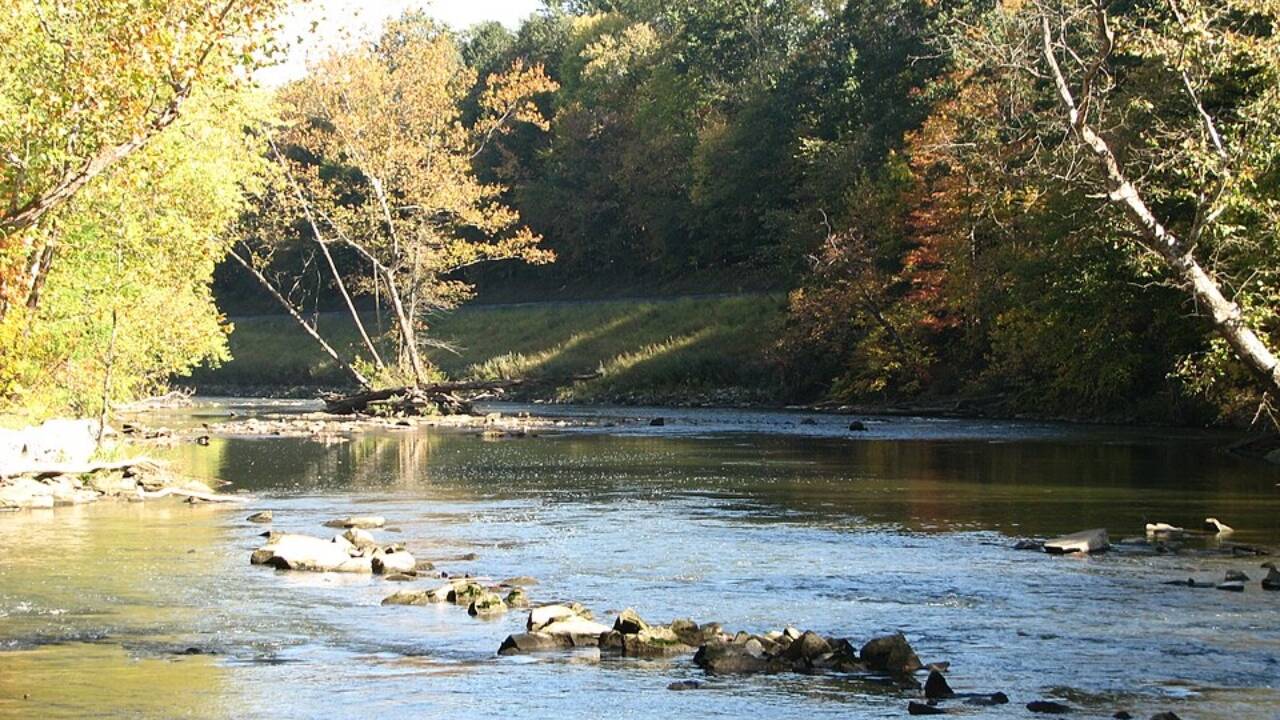
According to the EPA, the Cuyahoga River’s Restrictions on Fish and Wildlife Consumption Beneficial Use Impairment was officially removed in 2019 after monitoring showed contamination had declined sufficiently. The National Park Service has noted that the fish from the river are now considered safe to consume, marking a notable reversal for a river that was once synonymous with toxic pollution. Additionally, wildlife has also returned in remarkable numbers, including bald eagles, river otters, herons and dozens of native fish species that had disappeared during the river’s polluted decades. As per the National Park Service, restoration of the river continues through habitat projects, dam removals and floodplain rehabilitation, with additional environmental impairments gradually being removed as recovery progresses. Researchers have emphasised that the river still faces challenges, including legacy contamination and urban runoff, but its transformation highlights how sustained environmental regulation can reverse critical degradation. Notably, nowadays kayakers, anglers and hikers routinely enjoy stretches of Cuyahoga that were once considered ecological dead zones.