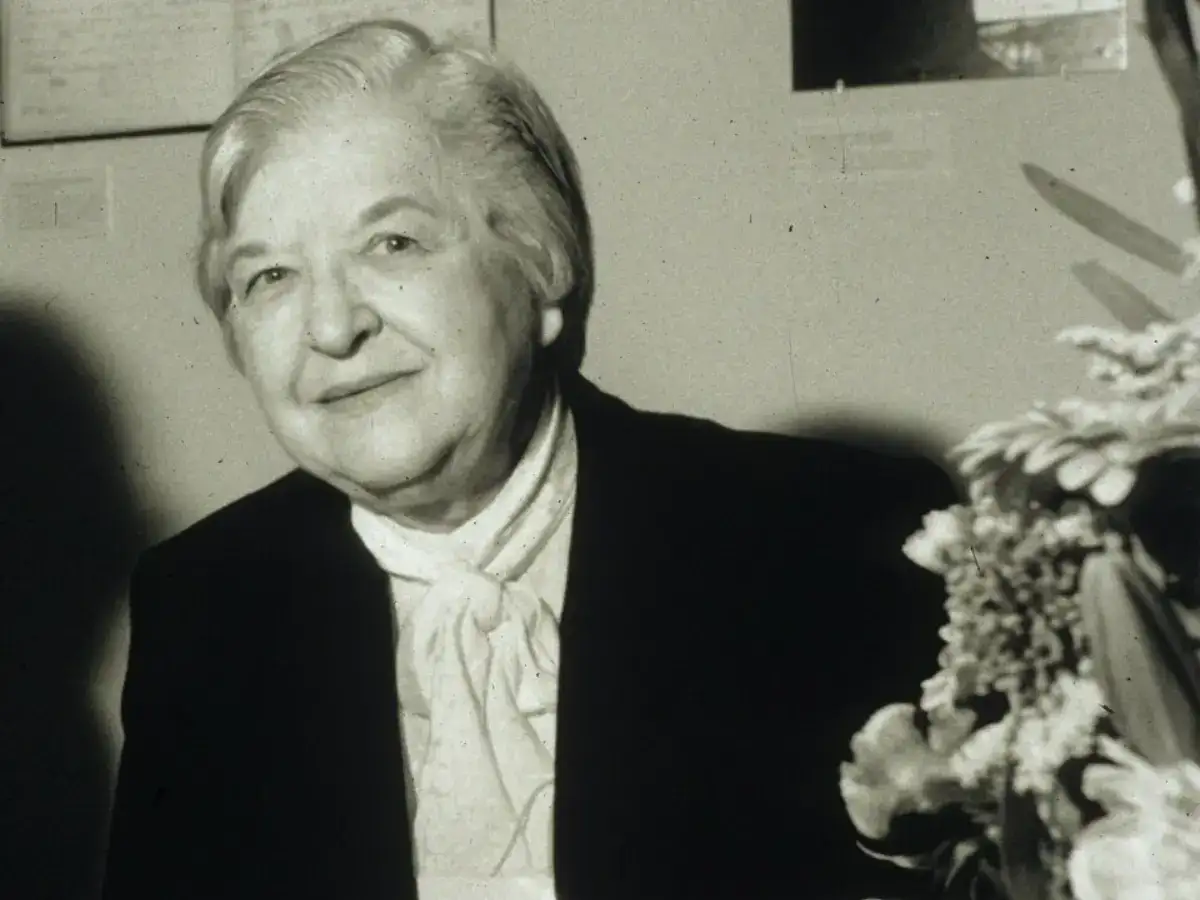
Kevlar is a lightweight, heat-resistant synthetic aramid fiber that is pound-for-pound five times stronger than steel. But the initial journey was somewhat different. It started with an odd-looking chemical solution. According to the Science History Institute, during the mid-1960s, chemist Stephanie Kwolek was employed by DuPont, where she was conducting research on lightweight fibers. As part of her research, she prepared a polymer solution which was unlike anything that was normally encountered. It was not thick and clear like other polymer solutions.
Most scientists would probably have discarded the experiment outright or regarded it as a failure. However, Kwolek had a different perspective. She felt that the odd appearance of the chemical solution could mean something valuable. This approach ultimately led to the development of Kevlar, one of the most widely used high-strength fibers in the world.
Today, Kevlar can be found in a wide variety of products such as body armor, firefighter suits, aerospace applications and industrial machinery.
The experiment that looked like a failure
According to various studies, Kwolek realized straightaway that her solution behaved differently from other polymer solutions. Normally, a polymer solution would be thick and viscous. But hers seemed clouded and watery. This was the reason for concern in the lab.
As reported by the Pennsylvania Center for the Book at Penn State University, some colleagues were concerned that the solution might clog or harm spinning machines that would be used in the manufacturing of fibers. The material did not look promising at first.
Nonetheless, Kwolek felt that the mysterious solution merited further investigation. Rather than dismissing it out of hand, she convinced colleagues to spin fibers from the solution. That choice proved to be pivotal in the tale.
Spinning revealed surprising properties
When scientists spun fibers from the solution, the outcome caught them off guard. According to studies, the fibers proved to be unusually strong, stiff, and light compared to many of the traditional materials available at the time. The unique molecular structure of the solution produced unusually durable fibers. That moment marked the transition of the mysterious solution from an uncertain experiment to a groundbreaking discovery.
Later on, Kwolek noted that the ability to appreciate unusual outcomes was essential to science. Researchers often explained that her discovery was one such case of intuition and persistence in the lab. She realized the importance of what others would not have noticed. This invention is another example of how great inventions usually start with doubt or failure rather than success.