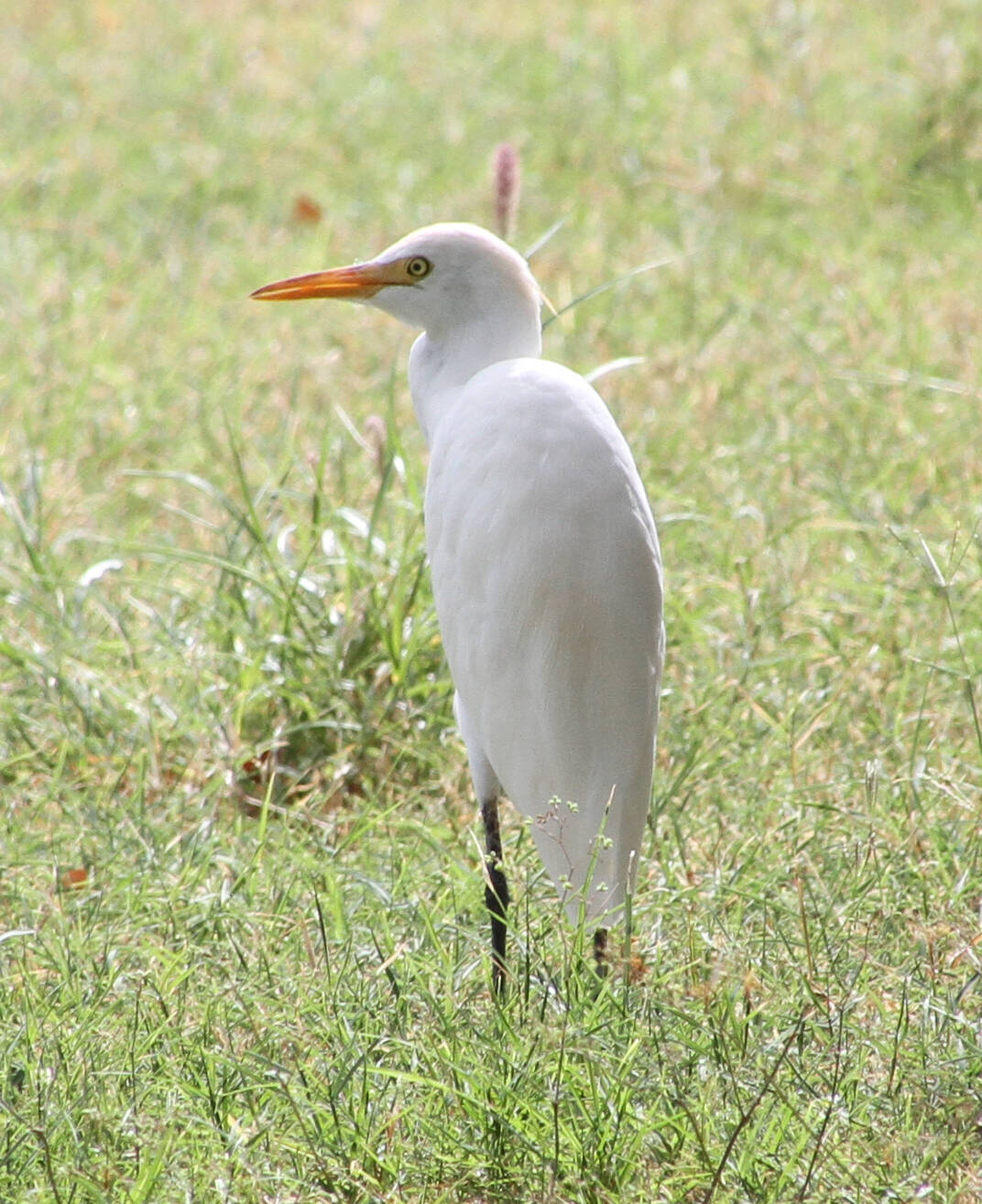
The initial farm experiment in Hawaii gradually became one of the state’s most controversial wildlife episodes. According to the study published in the Journal of the Hawaii Audubon Society , 105 cattle egrets were released across the Hawaiian Islands in 1959 in an effort to control arthropod pests affecting cattle. It seemed simple because the birds were known to follow livestock and feed on insects.
Get breaking news anytime, anywhere. Download the TOI app now!
Nevertheless, during the subsequent decades, the birds managed to adapt exceptionally well to the island lifestyle. Their population increased, they began nesting on several islands, and they spread into habitats beyond grazing land. According to the study, the cattle egret's rapid spread after its introduction for biological pest control created new challenges for wildlife management and airport safety.
From farmland pest controller to island-wide resident
Officials expected the birds to help livestock farmers by eating insects that bothered grazing animals. By June 1982, researchers estimated Hawaii's statewide cattle egret population at about 13,000 birds, around 120 times the number originally introduced in 1959, reflecting the species' rapid expansion across the islands. The researchers estimated that the population had grown to about 120 times the size of the original release. By the early 1980s, large cattle egret populations had become established on Oahu and Kauai, while smaller populations were recorded on Maui, Molokai and Hawaii Island, according to the study. Sightings were also reported on Lanai and Niʻihau, although no lasting breeding sites had been confirmed there at the time of the study.
Some sites served as temporary resting places, while others developed into permanent roosts or breeding colonies where nesting took place year after year.
The study found that the birds showed clear preferences when choosing places to gather overnight. Most roosts were located at low elevations, close to the coast and usually beside fresh or brackish water. Reservoirs, ponds and fish ponds were especially attractive, providing safe places where large numbers of birds could gather before dispersing to feeding grounds each morning.
Another observation was that breeding colonies tended to be in relatively low trees and dense vegetation that could accommodate nests. Non-breeding permanent roosts, on the other hand, at times settled in habitats that could not facilitate nesting but provided good cover for the birds.
Consequences for success
The fast spread of cattle egrets created unforeseen consequences after the introduction of the species. One of the major problems was related to aviation safety. As the research notes, large flocks moved from roosts to feeding sites, and many colonies were located near airports. As the cattle egrets fed on grass near the runways, they often crossed the paths of take-off and landing flights.
The researchers identified 25 cattle egret roost sites across the Hawaiian Islands, documenting the species' presence in habitats including reservoirs, ponds, wetlands and coastal areas. Researchers gathered information on where the birds roosted, how they moved through the landscape and whether management strategies could reduce the risk of bird strikes.
The study identified several airports where cattle egrets had become a concern, including Honolulu, Lihue and Hilo, while researchers also noted that the growing egret population near Kanaha increased the risk of airstrikes at Kahului Airport. On Kauai, researchers noted that several large roosts lay within the birds' normal daily flying distance of Lihue Airport, increasing the likelihood of encounters with aircraft.
Hilo presented a particularly difficult situation because one of the largest breeding colonies at Lokoaka Pond was located close to General Lyman Field, while the birds' primary feeding areas lay on the opposite side of the airport. The researchers warned that the Lokoaka heronry would continue to pose a serious threat to Hilo air traffic because it was located close to General Lyman Field, while the egrets' primary feeding areas were on the opposite side of the airport.
Attempts to reduce numbers around Hilo temporarily lowered the local population, but the researchers found that the birds often shifted to nearby temporary roosts before eventually returning once control efforts stopped.
The researchers also reported that cattle egrets had become pests at prawn farms on Oahu, where the birds were observed preying on prawns, creating another management challenge beyond their original role as a biological control agent for cattle pests.
Beyond farming and aviation, the introduction of cattle egrets created additional ecological concerns. Although the 1986 study focused primarily on their distribution, breeding and management, the expansion of the species has since drawn attention because cattle egrets are known to prey on small vertebrates as well as insects.
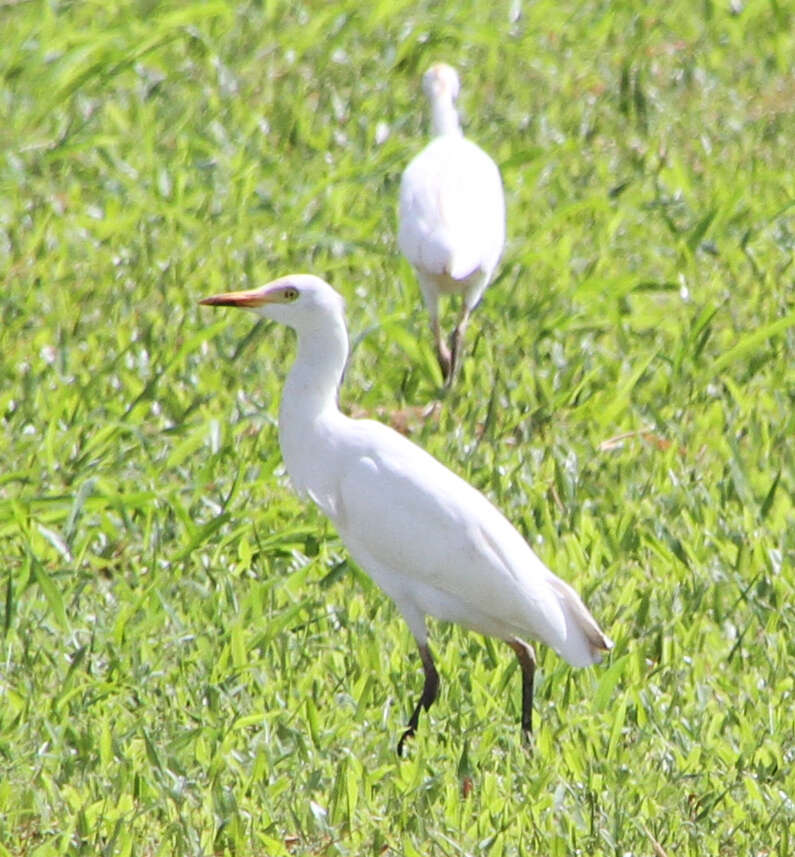
The researchers found that cattle egrets at the Lokoaka heronry bred for much of the year, with nesting activity recorded across multiple months rather than a single short season. Although fledging success at Lokoaka appeared relatively low, the researchers suggested that year-round reproduction by a substantial proportion of individuals within the colony was a possible reason for the species' rapid population increase.
The study concluded that eradicating cattle egrets from individual islands would probably prove difficult because birds regularly moved between islands and quickly recolonised areas where numbers had been reduced. Relocating roosts also appeared unlikely to provide a lasting solution, as the birds often returned to familiar sites after temporary disturbances.
Instead, the researchers suggested that long-term management would depend less on repeatedly reducing bird numbers and more on developing ways to discourage flocks from using sensitive locations, particularly around airports where aircraft safety remained the greatest concern.
More than 20 years after they were introduced, cattle egrets became an example of how species brought in for practical purposes can alter ecosystems in unpredictable ways.