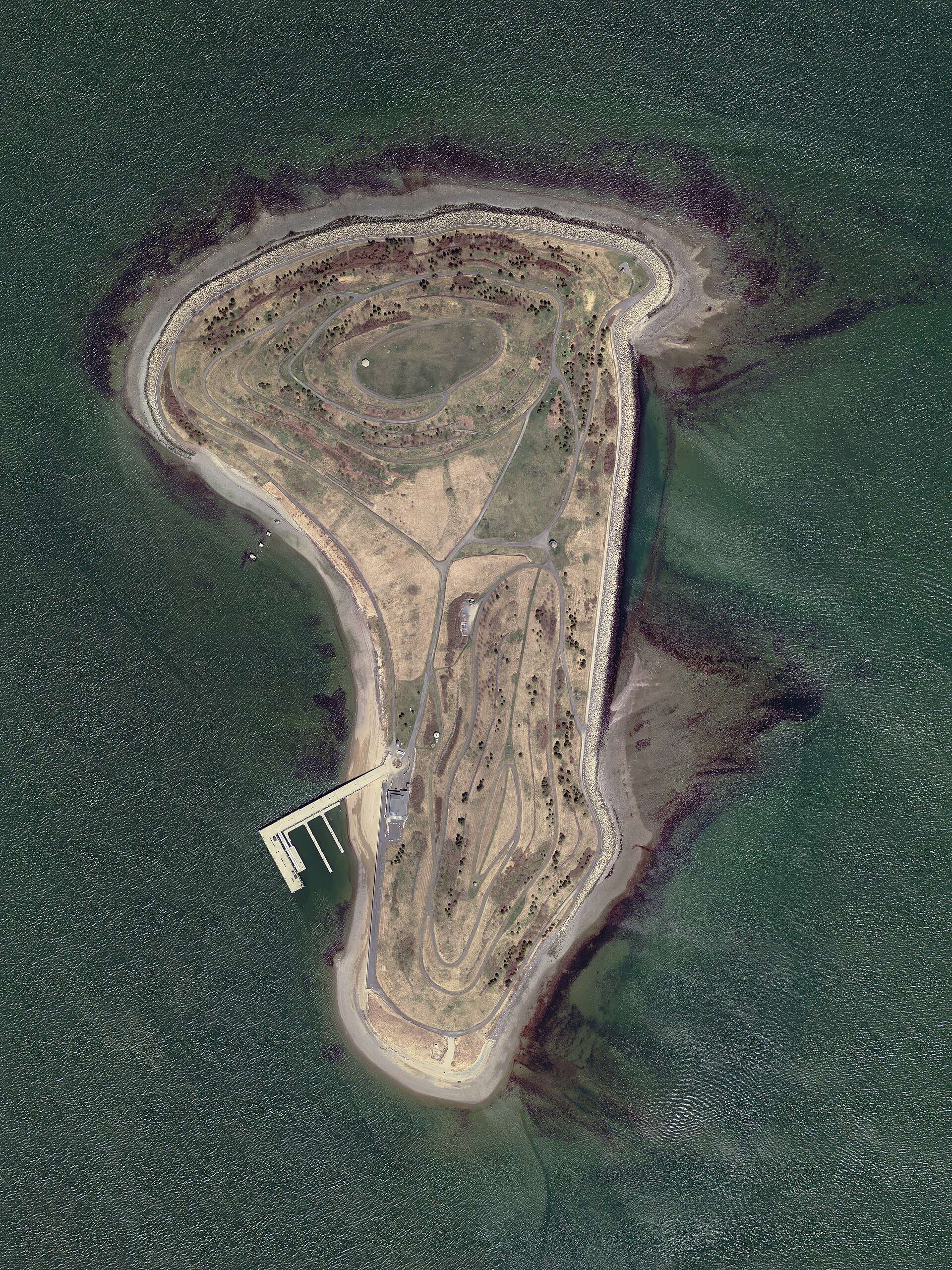
Visitors to Spectacle Island will now find hiking paths, hillside greenery, harbour views and wide-open spaces far removed from the island’s past. Ferries carry visitors across Boston Harbour for an afternoon of exploring the island’s landscape or watching birds. Many visitors would never guess that the island’s green landscape was once a landfill.
Get breaking news anytime, anywhere. Download the TOI app now!
According to the National Park Service's account of The Big Dig and Spectacle Island's Environmental Restoration , Spectacle Island served as Boston’s landfill for decades before becoming the focus of an ambitious environmental restoration effort. Over time, what had once been associated with waste disposal and pollution was reshaped into a public park that supports both wildlife and recreation.
For much of the 20th century, Spectacle Island served a very different purpose. Between 1921 and 1959, Spectacle Island served as Boston's city dump. Environmental problems continued even after the landfill closed. In the 1960s, methane gas from the layers of garbage ignited underground fires that burned for years and made the abandoned landfill unusable.
The Big Dig and the restoration of Spectacle Island
Spectacle Island began a new chapter with the Central Artery/Tunnel Project. Construction on the Central Artery/Tunnel Project, known as the Big Dig, began in 1991. The project aimed to replace Boston's ageing elevated Central Artery with an underground highway. It also included extending Interstate 90 through the Ted Williams Tunnel, creating a direct connection between downtown Boston and Logan International Airport. The project involved excavating more than 16 million cubic yards of earth.
The Massachusetts Department of Transportation , in its overview of the Big Dig project, explains that the ageing Central Artery had become one of the country's most congested highways. Built to carry about 75,000 vehicles a day, it was handling more than 200,000 daily journeys by the early 1990s, contributing to severe congestion and long delays. The project was designed to improve traffic flow, reconnect parts of the city divided by the elevated roadway and create new public spaces above the underground tunnels.
The excavated material also helped restore damaged landscapes. According to the National Park Service, almost a quarter of the soil removed during the Big Dig was transported by barge to Spectacle Island. Before adding the new material, engineers sealed the former landfill with a protective clay cap. They then placed several feet of topsoil above it, containing the buried waste and creating conditions suitable for new vegetation. The added soil reshaped the island and made its northern drumlin the highest point in Boston Harbour.
The restoration work extended far beyond moving soil. Over the next 15 years, more than 2,400 trees and 26,000 shrubs were planted across Spectacle Island as part of the restoration. Tree species were chosen for shallow roots that would not penetrate the landfill cap. Plants, grasses and flowering shrubs were added to help rebuild habitats and stabilise the landscape.
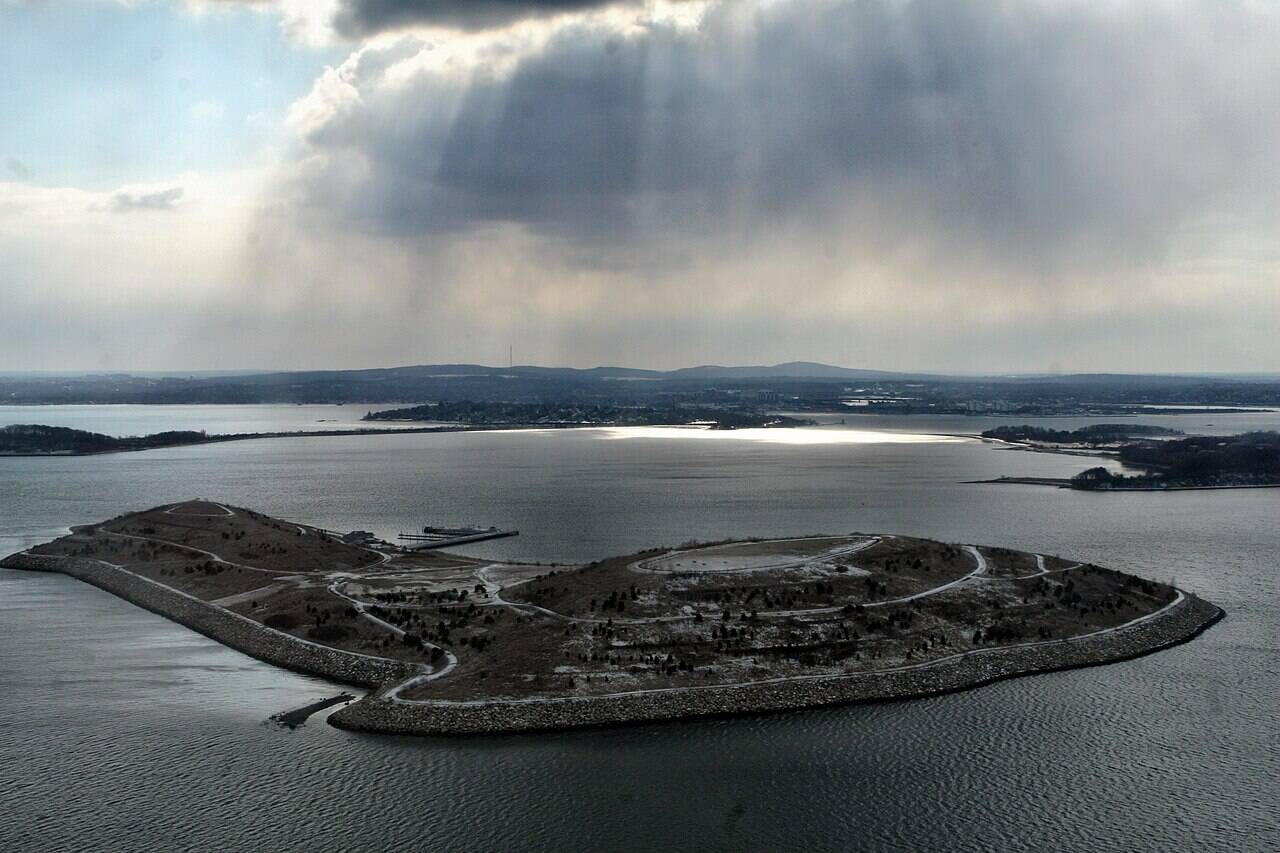
From landfill to thriving public park
Over time, vegetation attracted wildlife back to the island. Flowers attracted bees and butterflies, while woodlands and grasslands provided habitats for birds and mammals. According to the National Park Service, birds such as ospreys, red-tailed hawks, mockingbirds and red-winged blackbirds can be seen on the island, along with mammals such as raccoons, deer and coyotes.
Spectacle Island’s restoration was part of the broader environmental work associated with the Big Dig. Beyond rebuilding Boston’s road network, the project created hundreds of acres of open space, including the Rose Fitzgerald Kennedy Greenway. It also supplied soil for other restoration projects such as Millennium Park and Memorial Stadium Park. Reusing excavated material allowed the project to support environmental improvements instead of simply generating waste.
According to the Massachusetts Department of Transportation, the completed project improved traffic flow across Boston and reduced commuter delays. The department also reports a 12 per cent reduction in citywide carbon monoxide levels after traffic began flowing more efficiently. Replacing the elevated highway with parks and landscaped public spaces also helped reconnect neighbourhoods to Boston’s waterfront.
In 2006, Spectacle Island officially reopened to visitors as part of the Boston Harbour Islands National and State Park. The once-abandoned landfill had become a place where people could walk coastal trails, enjoy harbour views and see wildlife in a setting very different from the one left behind decades earlier.
Today, Spectacle Island shows how a landfill can be converted into public parkland through planning, engineering and environmental restoration. The island’s redevelopment is closely linked to the Big Dig project and shows how a heavily damaged landscape can be repurposed.