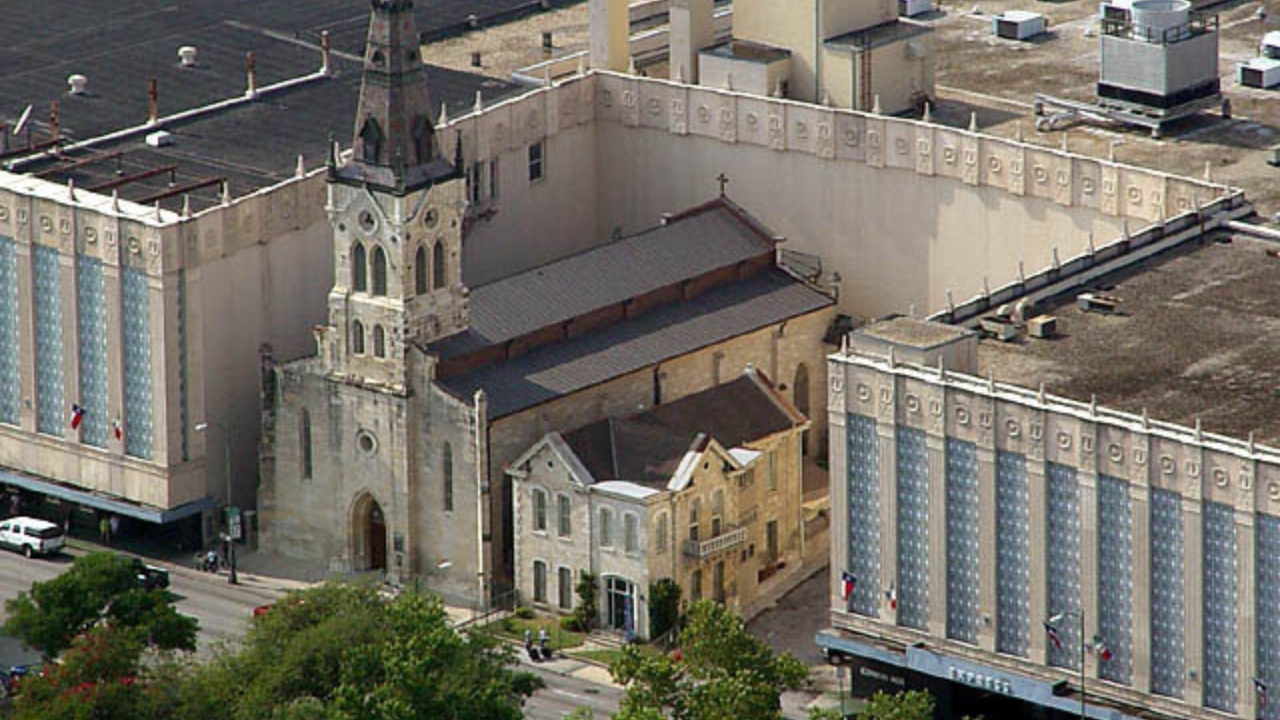
Joske’s, one of San Antonio’s largest department stores, wanted more room to expand in the mid-1940s. The company had already been buying nearby property around Alamo Plaza, and St. Joseph Catholic Church stood within the area affected by its plans. The store sought to purchase the church, its rectory and surrounding grounds. Parishioners, however, voted unanimously against selling. The church’s own historical account dates the offer and vote to 1945, rather than 1944.
Get breaking news anytime, anywhere. Download the TOI app now!
The decision produced one of downtown San Antonio’s more unusual architectural arrangements. Joske’s continued expanding, while St. Joseph remained on its original site. Later construction enclosed the church on three sides, and locals began calling it “St. Joske’s,” a nickname that connected the small Catholic parish with the much larger retail building surrounding it.
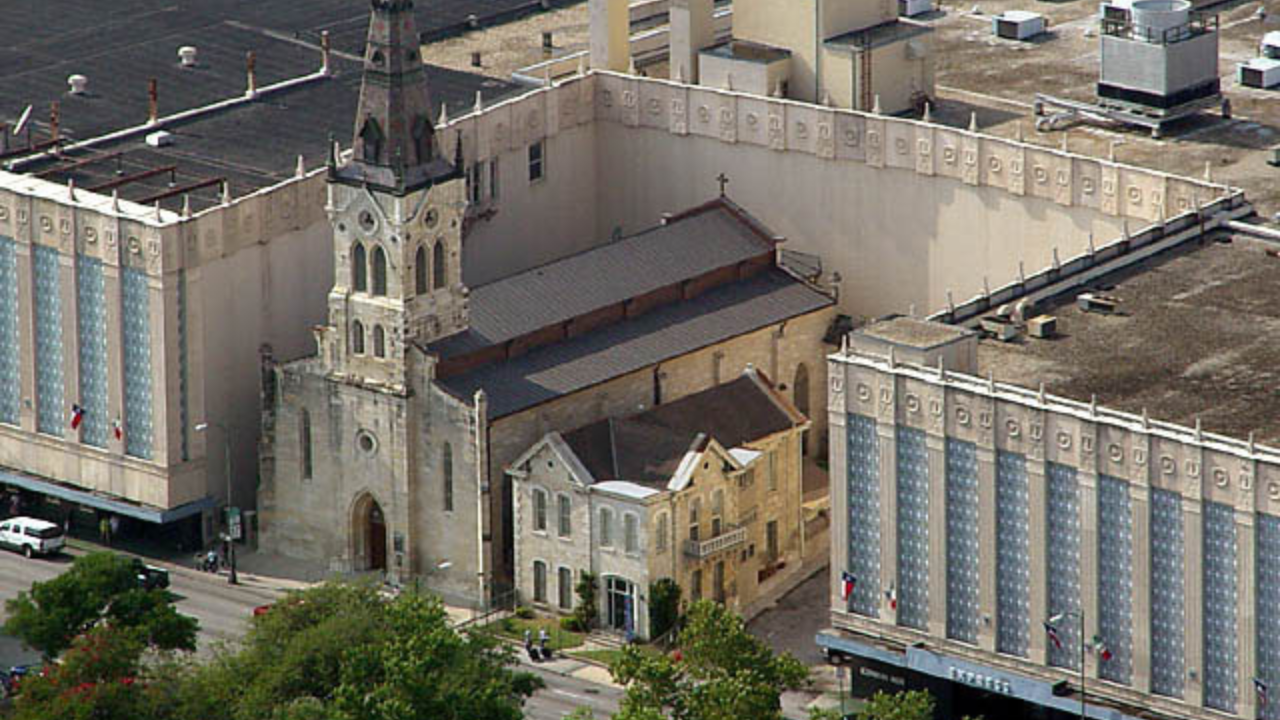
The church had been there long before the department store grew around it
St. Joseph’s was not a new building standing in the way of a commercial project. The church dates to the 19th century and was part of San Antonio’s growing German Catholic community. The National Register documentation for the Alamo Plaza Historic District records that the limestone Gothic Revival church was erected between 1868 and 1876. Its adjoining rectory also became part of the church complex. The parish had established itself decades before Joske’s took over much of the surrounding block.
Joske’s, meanwhile, had been growing near Alamo Plaza for years. Its Commerce Street store underwent several major expansions. By the late 1930s, the department store had added substantial new space, and further growth remained part of its plans. The Texas State Historical Association notes that the company acquired additional properties around its downtown location, including much of the block, but St. Joseph’s Church was excluded from those purchases.
That created the circumstances behind the 1945 offer. The parish says Joske’s wanted to buy the church, rectory and grounds for its expansion program. Parishioners unanimously decided not to sell. The vote kept the church at its downtown location, even as commercial development continued around it.
The vote did not stop Joske’s expansion
Joske’s continued acquiring and developing nearby property. The church retained its site, but the physical layout of the block changed significantly during the following years. A later archaeological report prepared by the Center for Archaeological Research at the University of Texas at San Antonio documents part of that process. In March 1946, the City of San Antonio abandoned St. Joseph Street and sold the tract to the Catholic Archdiocese. In June that year, the archdiocese sold two adjacent lots to Joske Brothers Company for $30,875. The report states that Joske’s subsequently enlarged its footprint and effectively walled in St. Joseph Church on three sides.The three-sided arrangement was therefore the result of developments that followed the parish’s decision. Joske’s did not immediately build the final surrounding structure in 1945. The property transactions and later expansion unfolded over subsequent years. A major building program in the 1950s further increased the size of the department store, and the retail complex eventually occupied most of the block around the church.
St. Joseph’s retained its own identity and entrance, but a much larger commercial structure stood close to it on three sides. The contrast became part of the church’s local identity. “St. Joske’s” was a joke, but it reflected a very literal reality: the church had remained while the department store grew around it.
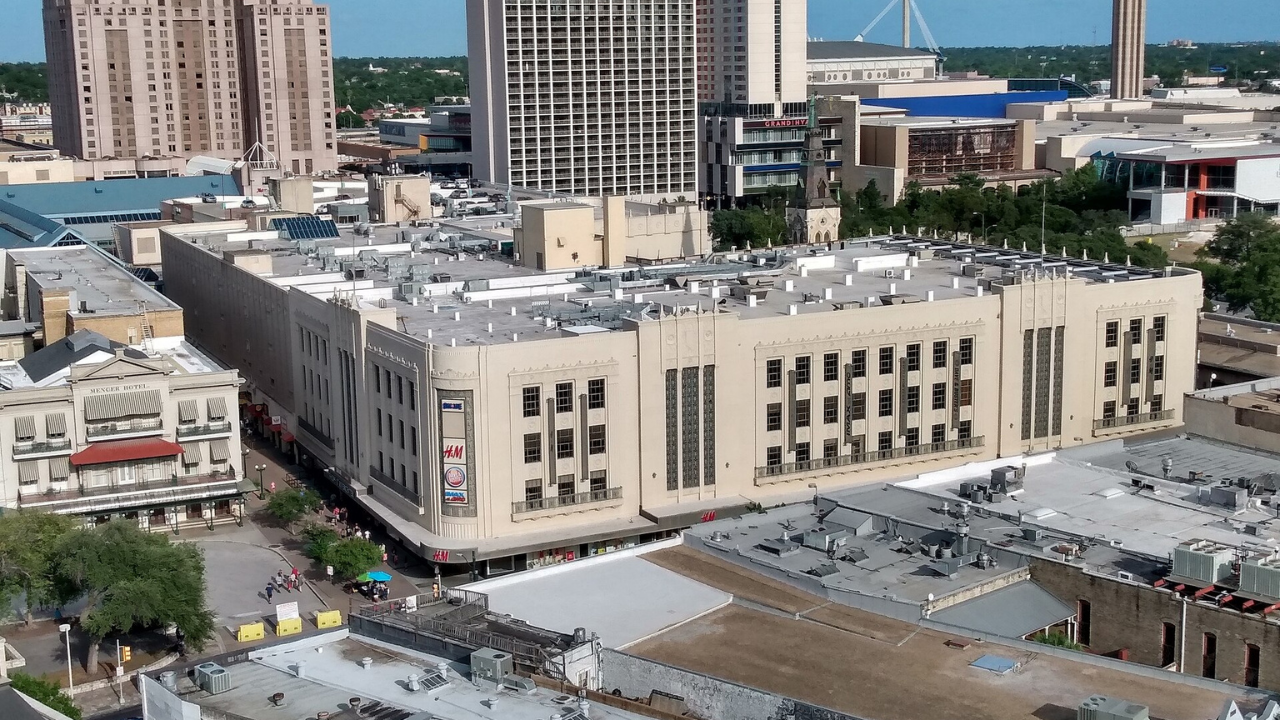
The department store eventually disappeared, but the church remained
The Texas State Historical Association records that the downtown flagship underwent further expansion and that Joske’s later sold its Texas operations. The former store building eventually became part of the Rivercenter retail complex. St. Joseph’s, however, continued operating as a parish within the redeveloped downtown area. Today, the church is surrounded by the later Rivercenter complex and nearby hotels and commercial development rather than by the original Joske’s department store. Its parish says it continues to serve a multicultural faith community as well as tourists and convention visitors in downtown San Antonio. The same site that parishioners chose not to sell in 1945 remains in use as a Catholic church.
The central fact behind the “St. Joske’s” story is therefore slightly more specific than the popular version often suggests. The church did not reject a 1944 offer and instantly found itself surrounded by a department store. Parish records place the vote in 1945, while property changes and commercial construction continued afterward. What remains visible today is the result of that sequence: a 19th-century church that stayed in place as the block around it was repeatedly redeveloped.