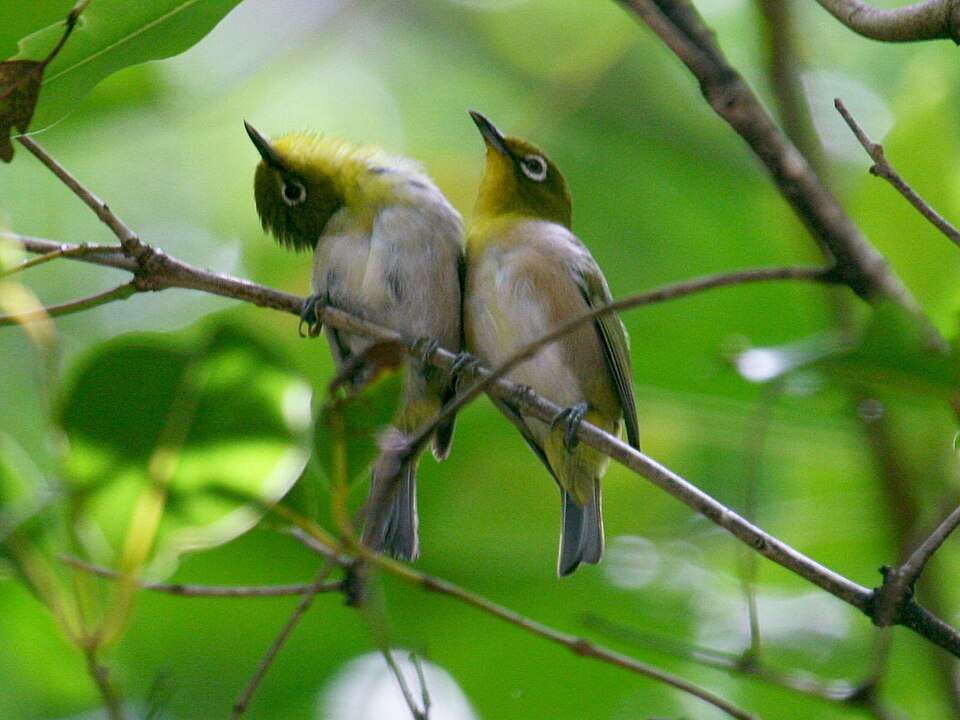
In 1929, Hawaii introduced a small bird from Japan to help control insect pests. The Japanese white-eye, also known as the mejiro, was brought to the islands because officials hoped it would feed on insects harmful to agriculture. Instead, the bird spread rapidly, established itself across the archipelago and became one of Hawaii's most abundant land birds.
Get breaking news anytime, anywhere. Download the TOI app now!
Its success, however, created a new ecological concern. As Japanese white-eyes became widespread, they began using many of the same food resources as native Hawaiian birds. Research later suggested that this competition placed additional pressure on native species already threatened by habitat loss, introduced predators and disease.
A bird brought in to fight insect pests
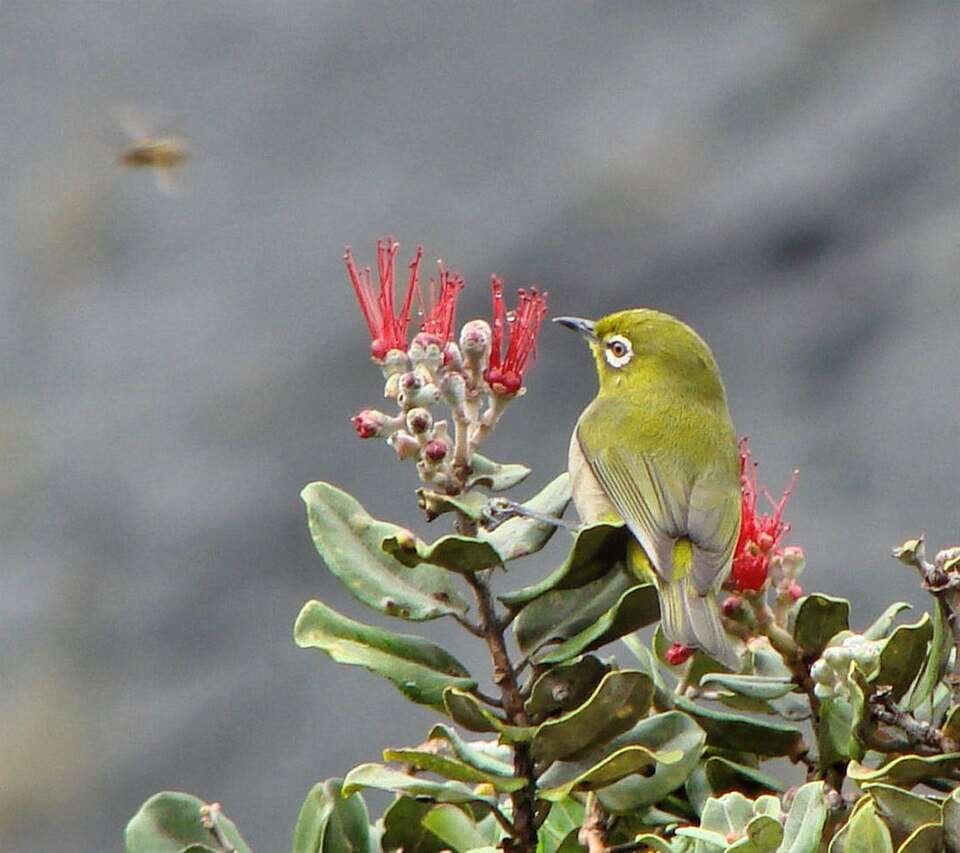
According to a study published by Yale University , Japanese white-eye (Zosterops japonicus) was introduced into Oahu in 1929 through the efforts of Hawaii's Board of Commissioners of Agriculture and Forestry with the intention of using the bird to control insect pests as a biological agent. The bird proved to be highly adaptable to its surroundings. Japanese white-eyes feed on insects, fruits and nectar and have adapted to a variety of habitats including forest and agricultural environments. Once established, the birds spread across the islands. Their ability to exploit different food sources and habitats helped them become one of the most common birds in the Hawaiian Islands. It fed on fruit and helped disperse seeds, becoming deeply integrated into the islands' ecosystems.
The competition was over food
The concern was not that Japanese white-eyes attacked native birds directly. Instead, they could compete with them by exploiting similar food sources and feeding in the same parts of plants. Research published in Ecological Monographs found evidence of negative associations between Japanese white-eyes and several native Hawaiian forest birds. The researchers reported patterns consistent with competition involving species such as the ‘I‘iwi and ‘Elepaio, although they also noted that the effects varied between species and locations.
A later study published in Current Biology provided further evidence of the pressure created by the introduced bird. Researchers examined Japanese white-eyes and eight native Hawaiian passerines and found substantial overlap in the resources and locations used for foraging. They also found that, after 2000, juveniles of every native species examined had lower body mass in areas where white-eye abundance had increased. Many also had shorter bills and tarsi, while smaller body size was associated with reduced survival in several species. During the same period, the endangered Hawai‘i ‘Akepa population was judged to have become non-viable. The findings suggested that competition did not have to involve direct aggression. When two species rely on similar resources, an abundant introduced species can gain an advantage simply by consuming or occupying the same resources as native birds.
When a biological-control measure becomes part of the problem
The Japanese white-eye's success in Hawaii illustrates how an introduced species can become part of an ecosystem in ways that extend beyond its original purpose. The birds compete with some native species for food, while their fruit-eating habits also allow them to disperse seeds as they move between plants. One further complication is that the white-eye's ecological role can vary depending on the habitat and species it encounters. By moving between fragmented patches of vegetation, the bird can connect areas that might otherwise remain isolated, while its feeding behaviour can influence which plants spread across the landscape. The species' history also highlights one of the challenges associated with biological control. Once an introduced animal establishes a breeding population, it can spread and interact with native species in ways that may not have been anticipated.
The white-eye's presence is not the sole explanation for the pressures faced by Hawaii's native birds, which are affected by several environmental threats. But its spread shows how an introduction intended to serve one purpose can have wider ecological consequences.