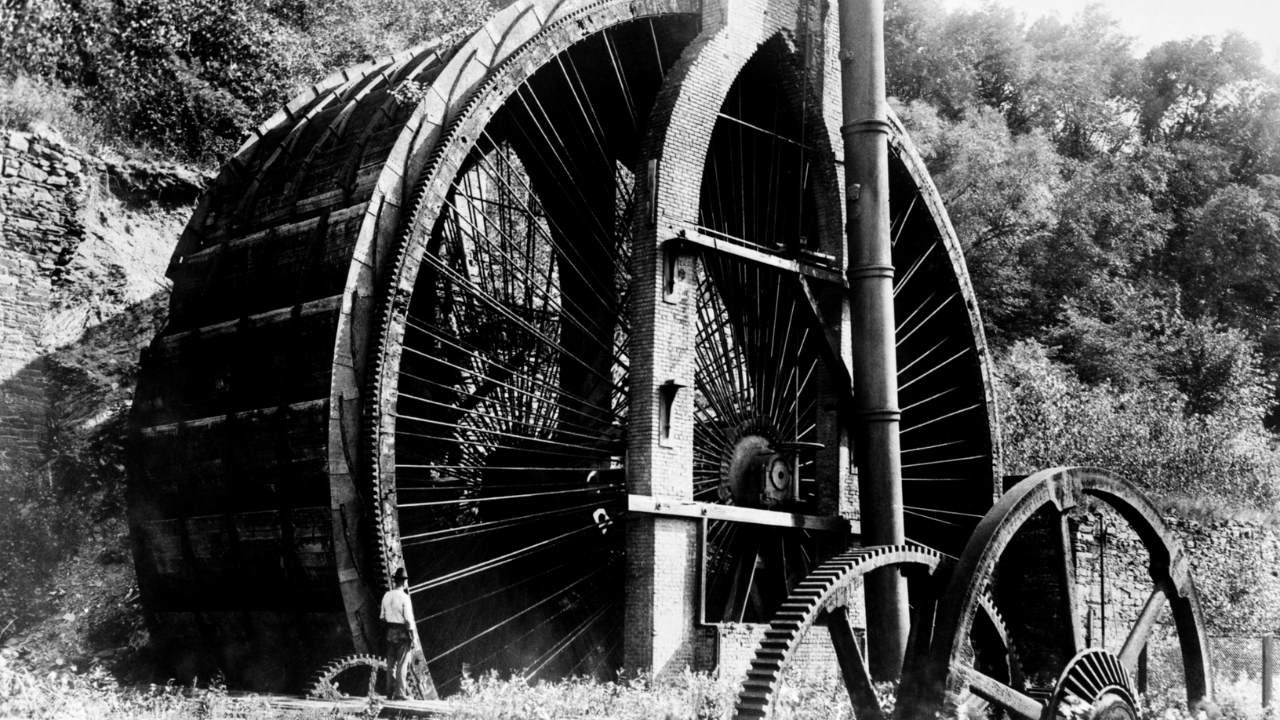
In 1913, the US Army Corps of Engineers began a major project on the Hudson River at Troy, New York, that would reshape navigation between the river and the state's expanding canal network. The new Federal Dam and lock replaced an earlier state dam and was designed to create a dependable navigation route towards the Erie and Champlain canals. Construction continued until 1915, when the new structure opened to navigation. What makes the project particularly remarkable is the experience behind its workforce: many of the labourers brought to Troy had recently worked on the Panama Canal, carrying hard-earned knowledge of one of the era's greatest engineering projects. More than a century later, the Troy Lock and Dam remains a working part of the Hudson River navigation system. The U.S. Army Corps of Engineers still operates and maintains the facility, which also occupies a unique position as the northernmost point where the Hudson's flow is affected by tides. Its continued operation more than a century later reflects the lasting value of engineering designed to serve both commerce and navigation. More than a century after its completion, the Troy Lock and Dam stands as a quiet testament to enduring engineering, proof that infrastructure built with genuine expertise and foresight can continue serving its original purpose long after the era that created it has passed.
Get breaking news anytime, anywhere. Download the TOI app now!
Troy Federal Dam was built to solve a century-old navigation problem
The Hudson River was already an important transportation route when plans for the Federal Dam took shape, but navigating the river was complicated by changing depths and water levels. Congress therefore authorised improvements intended to strengthen the connection between the Hudson and New York's inland canal network. The project included removing the existing state dam at Troy and constructing a new federal lock and dam approximately 1,000 feet upstream. Construction began in 1913 and continued for two years. When the new Troy Lock and Dam opened in 1915, it provided vessels with a controlled passage between the Hudson River and the New York State Canal System, including routes towards the Erie and Champlain canals. The project was therefore not simply a dam-building exercise: it was part of a much larger effort to make New York's waterways more reliable for navigation and commerce.
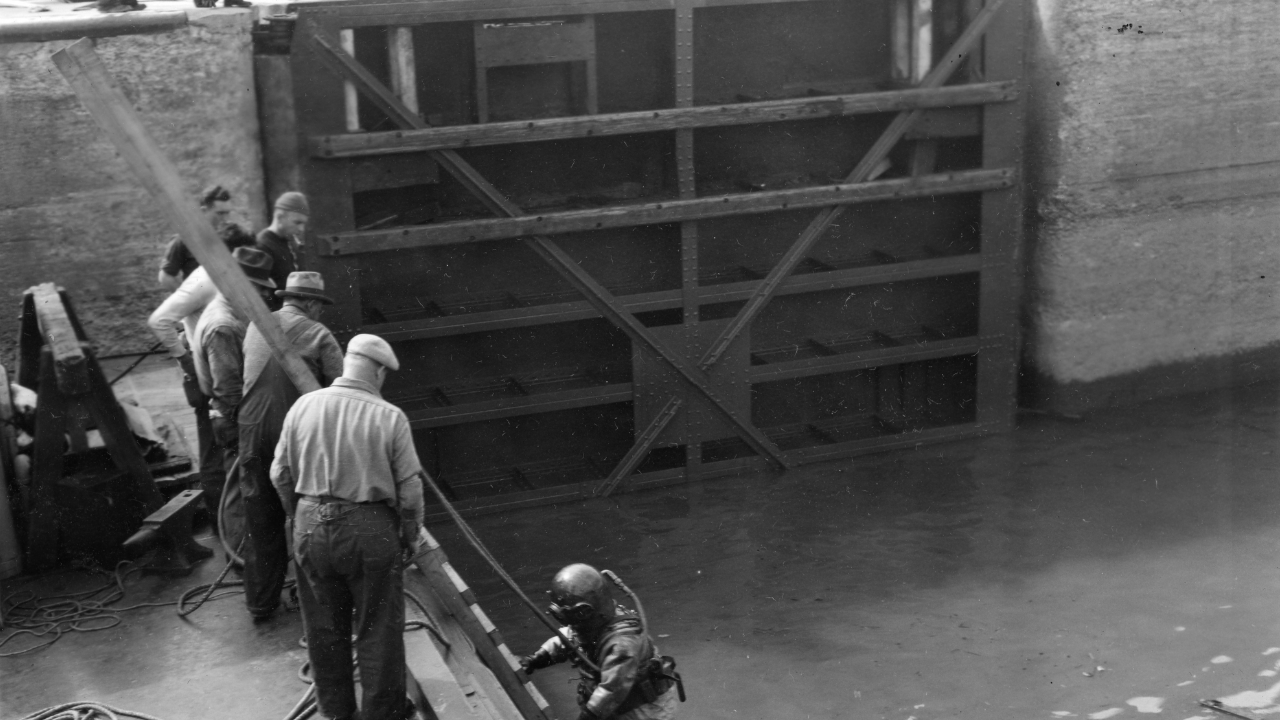
Panama Canal workers helped build Troy's massive waterway project
The timing of the Troy project created an unusual link between two major engineering achievements. The Panama Canal was nearing completion as construction was getting underway at Troy, and many of the workers employed on the Federal Dam had previously worked on the Panama Canal.
According to the U.S. Army Corps of Engineers, these contract labourers brought valuable experience with them when they arrived in Troy. Their knowledge of large-scale waterway construction became part of the workforce behind the new Hudson River project. That connection gives Troy Lock and Dam an unusual place in American engineering history. The same period that saw engineers and labourers overcome the enormous challenges of creating the Panama Canal also produced a smaller but enduring navigation structure in New York.
The Corps' historical records preserve photographs from the construction period, including images of the lock, dam, guide walls and workers. These records provide a rare visual account of how the Federal Dam emerged along the Hudson more than a century ago.
The lock made the Hudson usable despite changing water levels
A dam alone could not solve the navigation problem. Vessels still needed a way to move between different water levels, which is why the lock became such an important part of the project.
The Troy lock allows boats to enter a chamber where the water level can be raised or lowered before the vessel continues its journey. The lock has a lift of approximately 17 feet, allowing vessels to pass between the navigation pool and the river without having to negotiate the change in elevation directly. The location of the structure is significant for another reason. Troy marks the northernmost point of tidal influence on the Hudson River. Below the dam, the river behaves as a tidal estuary, while above it, the navigation system transitions towards the inland waterways of New York. This makes the Federal Dam both an engineering structure and a geographical marker on one of America's major rivers.
113 years later, Troy Lock and Dam remains a working landmark
More than a century after construction began, Troy Lock and Dam is not simply a surviving relic of America's industrial past. The U.S. Army Corps of Engineers continues to operate and maintain the facility as part of the Hudson River navigation system. A 2026 Corps fact sheet describes ongoing operations and routine maintenance at the lock and dam, demonstrating that the century-old structure remains part of an active waterway. The wider canal system connected through Troy stretches for hundreds of miles and links the Hudson with New York's inland waterways. Troy is also the only federal lock and dam in the New York State Canal System, while the other locks are operated by the Canal Corporation.
The structure has therefore outlived the era that created it while retaining its original purpose. Its gates, lock chamber and navigation channels continue to help vessels move through the Hudson and towards New York's canal network.
The U.S. Army Corps of Engineers' historical account of Troy Lock and Dam highlights how a project begun in 1913 brought together federal engineering, Panama Canal experience and the growing demands of American inland navigation. Today, the Troy Federal Dam stands as a reminder that some of America's most important engineering landmarks are not preserved behind museum glass. They remain embedded in working infrastructure, quietly performing the jobs for which they were designed more than a century ago.







.jpeg?w=600)