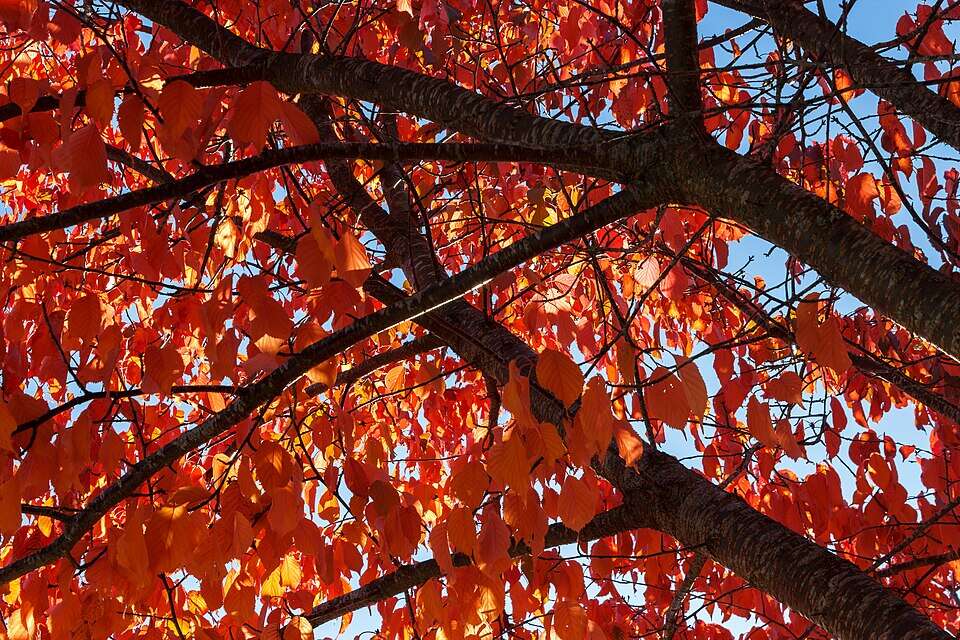
Each spring, thousands of people visit Washington, D.C., to see pink and white cherry blossoms around the city's landmarks. But these trees, planted in the city as a token of friendship from Japan more than one hundred years ago, now have to deal with another problem – climate change. Changes in temperature affect the flowering period of the trees, while cold weather after a warm spell may cause damage to the delicate flowers.
Get breaking news anytime, anywhere. Download the TOI app now!
A gift that became a symbol of friendship
The history of cherry blossoms between Japan and the United States dates back to 1912, when Japan gifted more than 3,000 cherry trees to the city of Washington, D.C., as a symbol of friendship between the two nations. The gift helped inspire the annual National Cherry Blossom Festival. This symbolic gift turned into friendship and goodwill between two countries, which in turn resulted in the annual National Cherry Blossom Festival . Cherry blossoms, or sakura, play an important role in Japanese culture. Their short bloom time is traditionally associated with hanami, the custom of viewing blossoms under the trees.
Climate change changes blooming period
Even though cherry blossom is an age-old phenomenon, accurately predicting its blooming period is now more challenging than before. Phenology studies seasonal biological processes such as flowering, migration and growth. Temperature greatly determines the period when the cherry tree starts to produce blooms.
According to the University of Washington , warm temperatures in late winter and early spring can cause cherry trees to bloom earlier than expected. Yoshino cherry trees make up most of Washington's cherry blossoms and are vulnerable to temperature changes from winter into spring. As climate change has warmed the planet over the past few decades, many plants in temperate regions have shifted their seasonal timing earlier. Earlier blooming can create a mismatch between the bloom period and the weather.
The problem of sudden drops in temperature
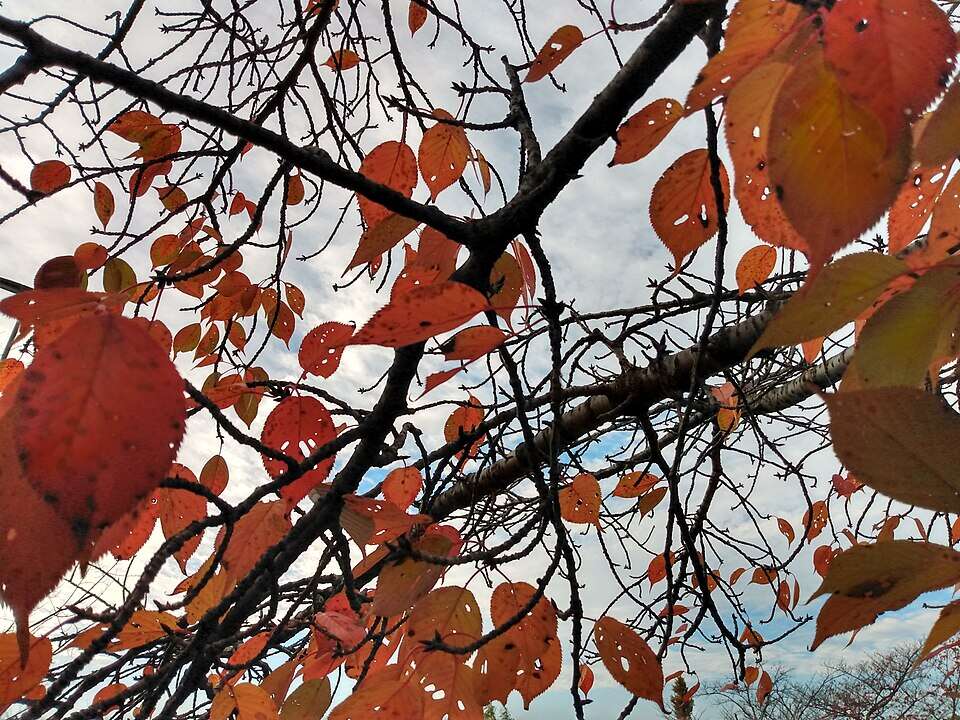
Cherry trees face not only warming but also sudden weather swings. If temperatures warm earlier than usual, the trees can take that as a signal to begin blooming. However, if after that there is a sharp drop in the temperature, then the buds and blossoms can suffer from frost. This can affect both the duration of blooming and the total number of flowers produced.
A future in transition for an historic tradition
Climate change is already affecting the timing of cherry blossom festivals. As the flowering period is dependent upon temperature conditions, warmer winters and erratic weather conditions have made forecasting even more difficult.
The cherry trees also symbolise a century-long link between Japan and the US. Protecting the cherry blossoms is also a way to preserve a natural wonder and a historic tradition. Scientists continue to study the cherry trees and the effects of changing temperatures on them.
A century after Japan's gift, the cherry trees remain a symbol of friendship between nations. However, the longevity of this legacy will depend on humanity’s ability to cope with the challenges posed by climate change. The blossoms also show how closely plant life is tied to changing temperatures.