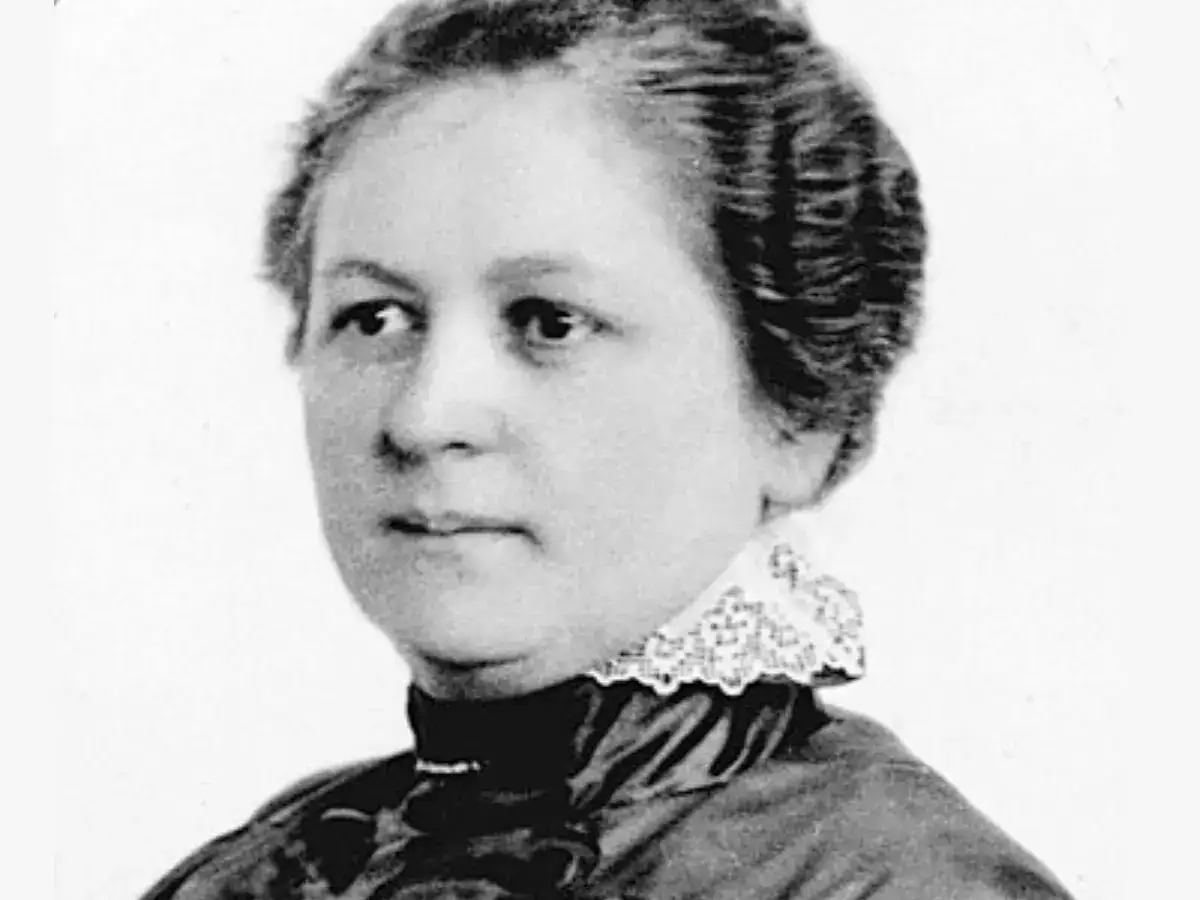
When Melitta Bentz came up with the idea for what would become the coffee filter, she was certainly not envisioning starting a company based on her creation. Rather, she was trying to improve her own personal experience of having a cup of coffee. In the early 20th century, it was common practice to brew coffee by heating ground beans together with water. This process was simple, but sometimes resulted in coffee that was cloudy, bitter-tasting, and oily.
Bentz found herself searching for a solution. As some historians tell the story, she used the materials at hand, including a brass pot and blotting paper taken from a school notebook. After putting holes in the pot, she placed the paper inside and filtered her coffee through it. The results were quite clear - the resulting coffee was much clearer and smoother than its previously murky counterpart.
From humble beginnings sprang a household invention
It was not a unique challenge that inspired the invention. Scientists believe that the success of the invention was due to not only its effect on the structure of coffee but also its influence on its taste. In one study indexed by PubMed, it has been reported that paper-filtered coffee contains significantly less oil-related components when compared to boiled coffee.
This is an important point since, along with trapping the particles of coffee grounds, the filter impacted the chemical composition of the drink. The improved taste of the filtered coffee also has some science behind it.
The reason why the paper filter’s idea was successful
Modern research can explain why the invention of the paper filter became so popular throughout the world. One of the ingredients of coffee is diterpenes, which include cafestol and kahweol, and give coffee its specific taste. It has been proven, however, that paper filters do not let most of the compounds enter the final product. A study indexed in PubMed Central reported that paper filtering leaves only traces of these components in comparison with boiled or French press coffee.
This made the beverage lighter on the palate and with a crisper aftertaste. To many coffee drinkers, this transformation was obvious and instantaneous. According to experts, this alteration in sensory experience was one of the reasons why filtered coffee was able to gain popularity at a time when home coffee-making was beginning to be more widespread.
Meanwhile, according to food history researchers who have been studying the coffee industry, consumers were able to experience immediately the benefits of the filtered coffee.