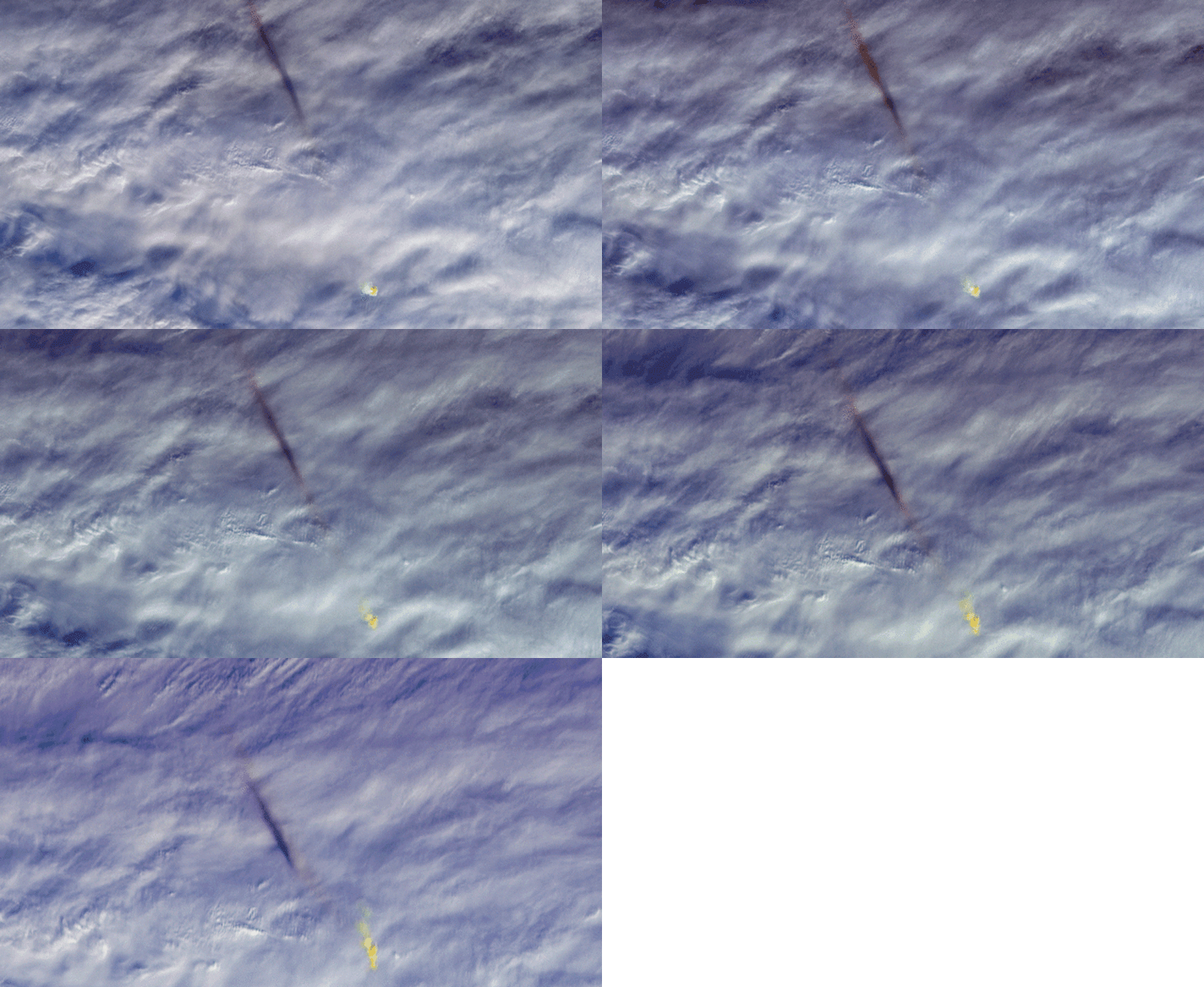
Images were released this week of a "fireball" that exploded nearly 16 miles over the Bering Sea on Dec. 18, 2018, captured by 2 powerful NASA instruments aboard the Terra Satellite.
Details: The fireball — indeed, the scientific name of these radiant meteors — released an estimated 173 kilotons of energy — roughly 10 times the energy of an atomic bomb, however given its altitude and remote destination, posed no peril on Earth. This was the strongest meteor observed from Earth since 2013.
The 2 NASA instruments took pictures of the remaining vestiges of the meteor from 5 of 9 cameras on the Multi-angle Imaging SpectroRadiometer device, depicting a shadow produced by the meteor's trail as it traveled through the Earth's atmosphere. The still portrait achieved thanks to the Moderate Resolution Imaging SpectroRadiometer instrument is true-color, illustrating a dark shadow on fluffy white clouds — the residue from the meteor's journey.
Why it matters: It’s rare for NASA satellites to capture a meteor burning in the upper atmosphere like this, making these images particularly interesting for scientists and every day skywatchers alike.