
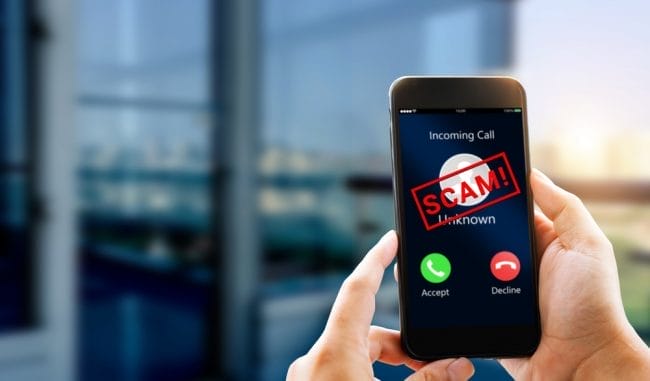
Have you ever looked down at your buzzing phone only to see your own name and number staring back at you? It is a surreal moment that can spark confusion, panic, or pure curiosity. Many people assume their carrier is calling, a technical glitch occurred, or their account was hacked. In reality, this serves as a psychological trap. Scammers use caller-ID spoofing to make your phone display your own number, and answering that call represents the first step into a well-designed fraud attempt.
The Psychology Behind the Self-Spoofing Scam
A scammer uses your own number to call you because familiarity lowers your guard. Seeing your own number creates a mental open loop that demands an explanation, and scammers know most people will pick up just to figure out what is happening. Once you answer, automated prompts or fake support agents try to confirm your identity or verify that your line remains active. It is a clever but predatory tactic that uses your own identity as bait.
These calls often escalate into phishing attempts where the scammer claims to be a technician fixing a problem with your number. They may ask for sensitive information like account credentials or your Social Security number under the guise of verifying ownership. The FTC detailed guide on phone scams regularly warns consumers about these tactics and remains one of the best places to track new variations of spoofing scams. Your phone number acts as a gateway to your digital accounts, and protecting it stays just as important as guarding your physical keys.
How Caller-ID Spoofing Actually Works
Many people feel shocked to learn that caller-ID spoofing is technically easy to pull off. Caller-ID was built decades ago long before today’s cybercrime landscape, and the system was not designed with authentication in mind. Scammers use VoIP services to insert whatever number they want into the caller-ID field before the call reaches your device. While U.S. carriers now use STIR/SHAKEN protocols to verify legitimate calls, spoofed calls can still slip through when they originate overseas.
Seeing your own number on your screen does not mean your phone was hacked. It means someone is exploiting a weakness in the caller-ID system. You should follow a simple rule and never answer a call from your own number. There is no legitimate reason for your number to call itself, so letting it ring remains your safest bet.
What You Should Do If Your Own Number Calls You
You should ignore the call and block the number even though spoofers can rotate numbers frequently. Reporting the incident to your carrier allows them to log the spoofing attempt for future prevention. You can also use call-blocking tools or your phone built-in settings to filter out known scam patterns. For broader mobile-security guidance, the FCC caller ID spoofing consumer guide offers practical steps for securing your device and reducing your exposure to spoofing attacks. Curiosity is exactly what scammers rely on, so silence serves as your strongest defense.
Why Ignoring These Calls Works
Scammers use automated dialers to blast thousands of numbers at once to find active targets. When you answer even for a second, you confirm that your number is active and responsive. That makes you more valuable to scammers and increases the number of future calls you receive. By refusing to engage, your number eventually gets flagged as unresponsive, and the volume of spam typically decreases over time. You are cutting off the scam before it starts.
Self-spoofing calls are becoming more common, and many people do not realize what they are dealing with the first time it happens. Think back through your recent call history and check if your own number ever popped up on your screen. Please think about the last time you received a suspicious call and leave a comment below to share your experience so we can warn others together.
What To Read Next…
- The Red Light Ban: Why Your Phone Habits Could Cost You This Month
- AI Voice Scams Are Spiking — Houston Investigators Reveal the New Clue That Gives Bank Impersonators Away
- Tennessee Property Owners Warned of Rising Ghost Rental Scams
The post If Your Own Number Calls You, It’s a Scam—Hang Up Immediately appeared first on Budget and the Bees.