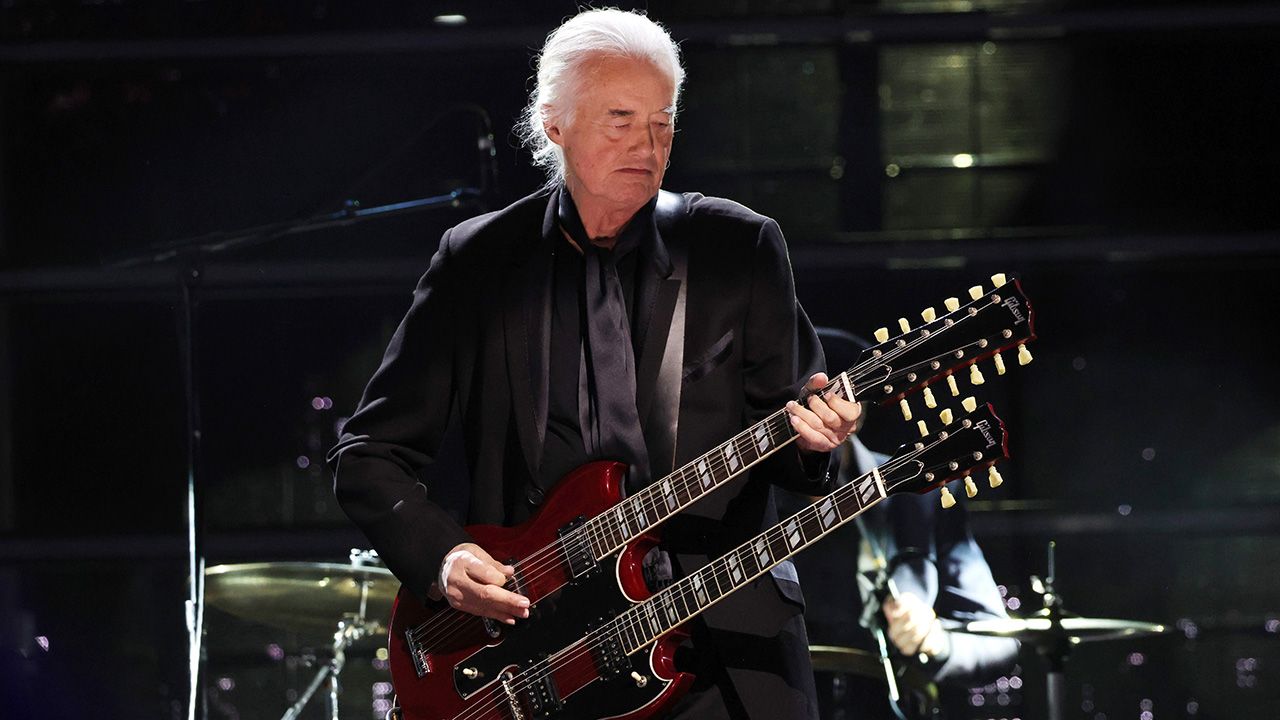
The guitar riff isn’t dead, but its presentation has changed. Across various rankings of the greatest riffs of all time, lone guitar intros dominate – think Smoke on the Water and Whole Lotta Love. There are very few modern equivalents.
If you stick on a modern semi-guitar-driven band and you’ll find drums and vocals pushed to the front with all-in intros extremely common.
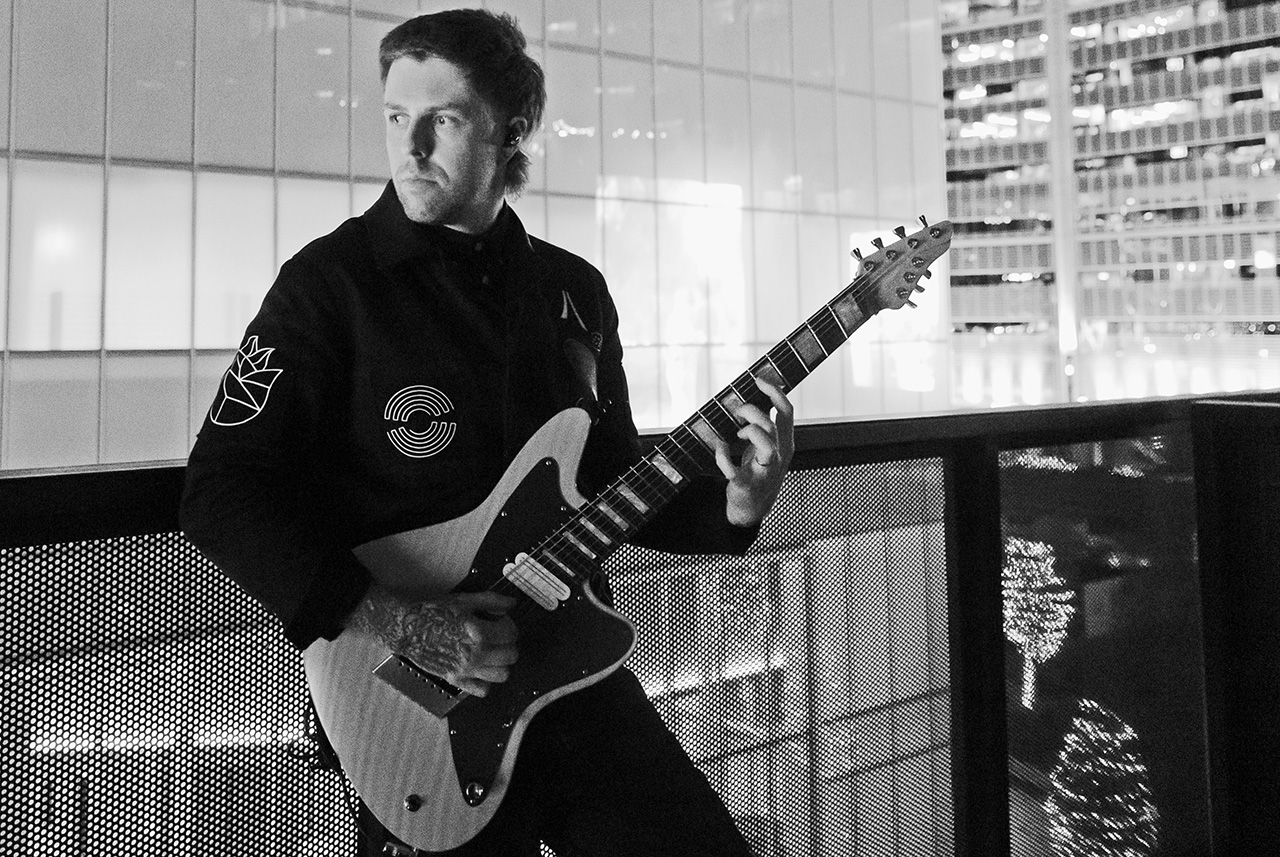
When I asked several generative AI platforms (Gemini, Suno, Mozart, ChatGPT) to write me a “modern metal guitar intro,” only one put lone guitar at the forefront, with drums kicking in after just four seconds. Spiritbox’s modern riff machine, Mike Stringer, sees it as a trend that transcends genres.
“Right now, the riff is taking a back seat in a lot of modern heavier bands,” he says. “There’s more emphasis on production. For the past eight years or so there’s been more focus on the song and its presentation, as opposed to the lone riff.”
He highlights Periphery’s Icarus Lives! (2010) as one of the last big lone guitar intros. In the years since, those moments have become outliers. But what’s driving this shift in emphasis?
The Spotify effect
Since launching in 2008, Spotify and other streaming platforms have dramatically changed how the general public consumes music. And its algorithms are, in part, informing how many artists present their music.
A play only counts as a stream – the thing that generates income – after 30 seconds. Skip before that and the artist gets nothing. Immediacy, then, is encouraged; and Spotify’s algorithm rewards songs that deliver vocals up front with greater exposure. David Bowie’s Sound and Vision would be crucified today, because it’s instrumental for its first 73 seconds.
This drive for instantaneous kicks couples itself with the rise of short-from media like TikTok and Reels, and a seeming lack of patience in the public consciousness (same-day-deliveries). Musicians can’t ignore it.
“It’s crazy how everyone's attention spans have dwindled over the years,” Stringer says. “There’s something to making people wait. But it could be that some bands aren’t willing to take that chance. I think people allow like five to six seconds of a song on Spotify before they decide if it’s worth listening to.
“I don’t think the riff has ever gone away – but since intros are now about the big impact, they’ve also become about the overall hook. The unfortunate reality is that when everything is supposed to go viral, it pushes a certain narrative on bands. They’re considering what will get talked about versus just writing a song.
“There could be a huge shining moment halfway through, so it’s kind of insane to think about how a band will or won’t get traction based on what they clip and tease with.”
Universality
Steve Waksman, Professor of Popular Music at the University of Huddersfield, argues that a punchy guitar riff a la (I Can’t Get No) Satisfaction could be successful in the current environment.
But he suggests bands might be prioritizing drums and vocals because of their universality. “Beats cut genres,” he says. “The guitar doesn’t have the dominance that it used to have as the sound of popular music. So maybe the guitar isn’t the right thing to hook people.
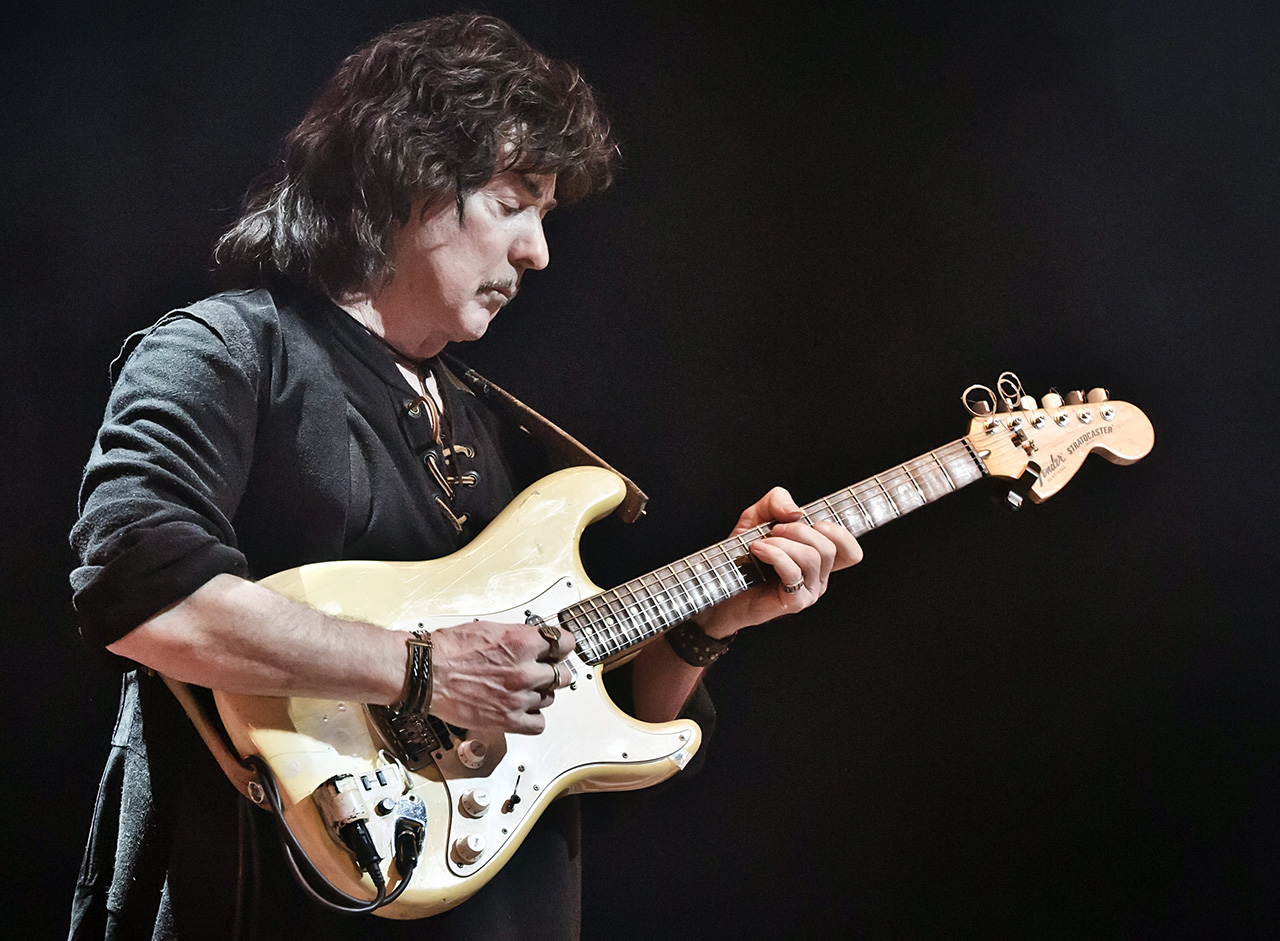
“From a lot of different vantage points, the guitar has become displaced a little bit. There’s a sense that the rhythm section should be given more credit and prominence – that bands are units and should be related to as such.”
Lost dominance
Elder guitarist Nick DiSalvo recently told me something which made my ears perk up: “My main issue with this riff rock world is that it’s derivative and boring. Let’s be honest – at this point, most riffs have been written; it’s hard to make a riffy song that feels really original and engaging.”
Does he have a point? Polyphia’s G.O.A.T., for instance – the most modern entry in GW’s list of the greatest riffs of all time – stands out because it’s wholly different from its ‘70s and ‘80s counterparts.
It’s on clean electric guitar, for a start; and through Tim Henson’s non-traditional approach to songwriting, it’s full of quirky sounds and tricks. It draws more on hip-hop grooves than it does traditional blues voicings. It’s fresh; exciting.
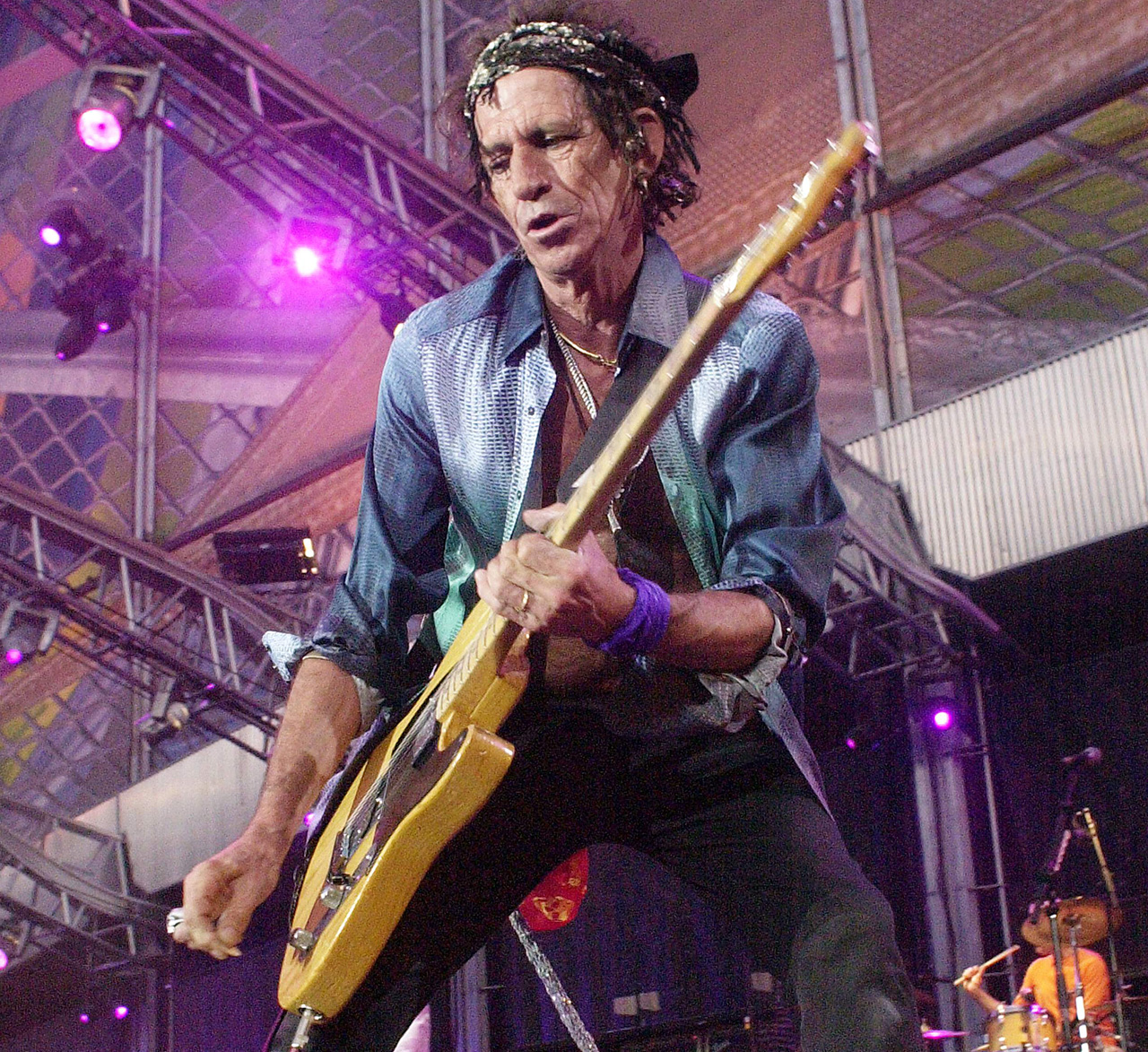
Otherwise, the accepted reality – that the electric has lost cultural significance in mainstream music – diminishes its role in a song. Looking at modern members of Spotify’s 1 Billion Streams Club, the guitar is there via Ed Sheeran, Shawn Mendes, and Lady Gaga, for instance. But rarely is it the centrepiece.
Production
Prof Waksman believes that the changing production process – with musicians empowered to write, record and produce out of their laptops – may have played a key role. “There used to be more of a boundary between what guitarists and electronic musicians are doing,” he argues.
“With production tools basically being computers now, the boundary doesn’t exist the same way. Eddie Van Halen got criticized for playing synthesizers in the ‘80s, because you weren’t supposed to do that as a guitarist. But I don’t think many people would say that now.
“There’s not the same sense of a contradiction between making electronically generated sounds and playing guitar. I think COVID might have enhanced that – people were working at home, through their laptops, experimenting with plugins and the timbres they could get. It’s maybe part of the picture.”
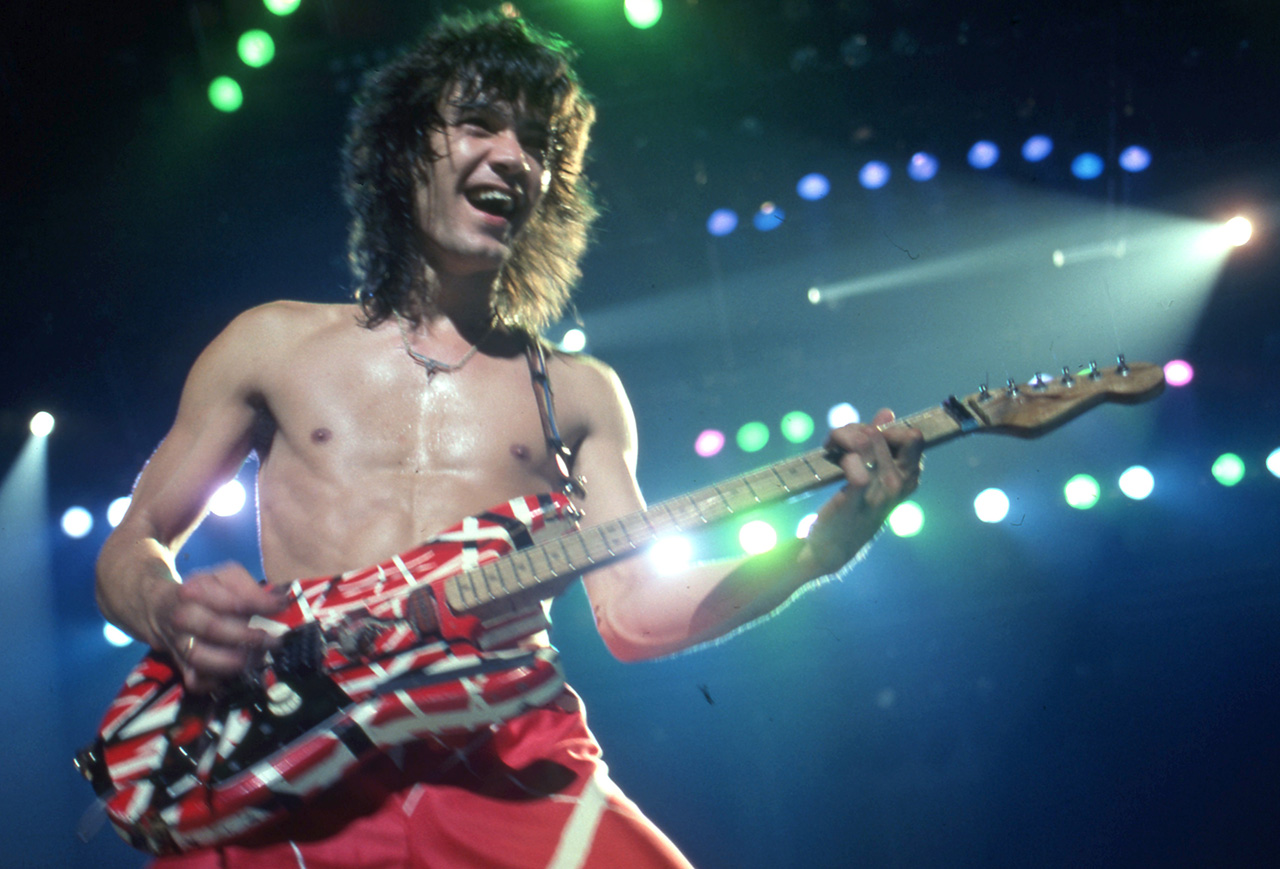
Stringer agrees: “With home recording, I can’t help but put full production behind a riff. It makes me more stoked because it’s a full idea. Big, impactful moments and larger-than-life production is what I gravitate towards at the moment.”
Changing seasons?
But as Stringer points out, this is a trend. “I feel like we're at the cusp of that changing again – it’s been seven, eight years of that being the popular thing,” he says.
He feels a lot of this movement – in metal at least – is a response to the djent and technically-orientated bands that made it big before this era, just as grunge rallied against ‘80s virtuosity. “I’m starting to hear a lot more raw productions,” he says. “I’m hearing a lot more guitar intros, like Sacred Place by Orthodox.”
He calls Korn’s Blind “the most incredible intro of all time;” and with that band and ‘90s rock in general coming back into fashion, might that tip the scales?
“It’s literally all situational,” he says. “It’ll be interesting to see in the next little while what the new, popular thing is. I think rawer productions will happen as result of AI and a lot of the so-called slop that’s been coming out.”
Maybe that means rough-and-ready guitar intros will be back on the menu.