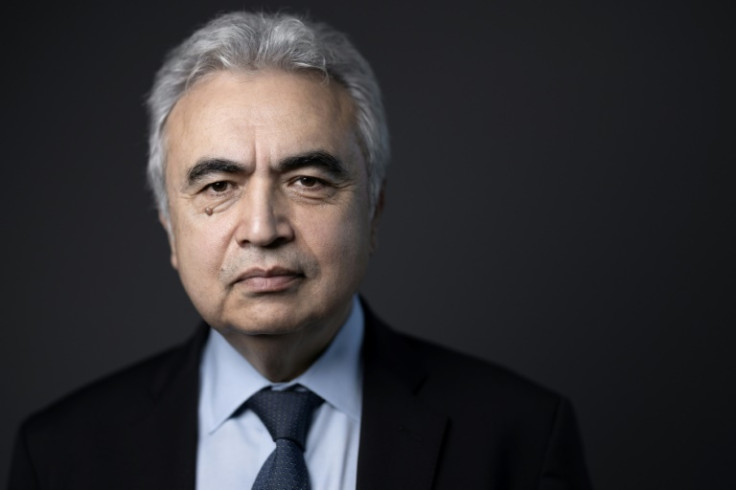
IEA chief Fatih Birol warned that oil markets could enter a "red zone" in the summer as reserves continue to decrease while the Strait of Hormuz remains closed during hostilities between the U.S. and Iran.
Speaking during a Chatham House session about the impact of the key waterway's closure, Birol said its full reopening is the main solution to the crisis.
Should that not happen, he said, the continued depletion of global stocks could lead oil markets to a "red zone in July or August," when demand increases during summer travel season.
Birol also said earlier this week that there could be a few weeks worth of oil left in commercial inventories. He noted that the release of reserves has been adding 2.5 million barrels of oil per day to the market, but they "are not endless."
Birol went on to say that there was a large surplus of reserves before the war began, but the situation has now shifted drastically. "We should be aware of the fact that it is declining rapidly," Birol added.
Overall, more than a billion barrels of oil have not been produced since the conflict began in late February, according to the International Energy Agency's latest update. The figure amounts to about 14 million barrels per day.
"With global oil inventories already drawing at a record clip, further price volatility appears likely ahead of the peak summer demand period," the IEA said. It also noted that the gap between the supply and demand is narrower because the market had a surplus heading into this year, the group noted.
latest monthly update, OPEC also lowered its demand growth forecast for the year to about 1.2 million barrels per day, compared to 1.4 million from the last report.
The cartel's production dropped by 1.7 million of barrels per day. It has plunged by almost 10 million barrels per day since the war began.
Some are taking measures to reduce their dependence of the key waterway, especially as Iran claimed it will seek to control it to compensate for damages sustained during the war.
The UAE said the pipeline it's building to bypass the strait is almost halfway complete after accelerating construction while the key waterway remains closed as a result of the war in Iran.
Sultan Ahmed Al Jaber, CEO of Abu Dhabi National Oil Company, or ADNOC, announced the development in an interview with the Atlantic Council, saying "right now, too much of the world's energy still moves through too few chokepoints."
The pipeline will double the country's export capacity through the Fujairah port, which is located on the Gulf of Oman beyond the Strait of Hormuz. It is expected to become operational next year.