Ice age art: cavemen get crafty at the British Museum – in pictures
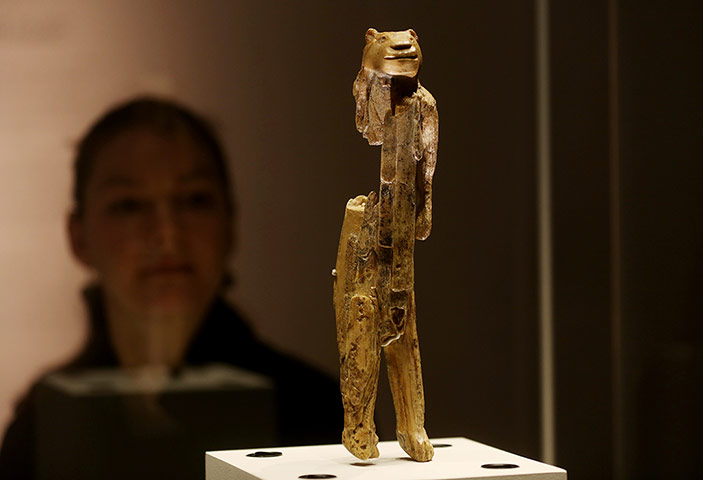
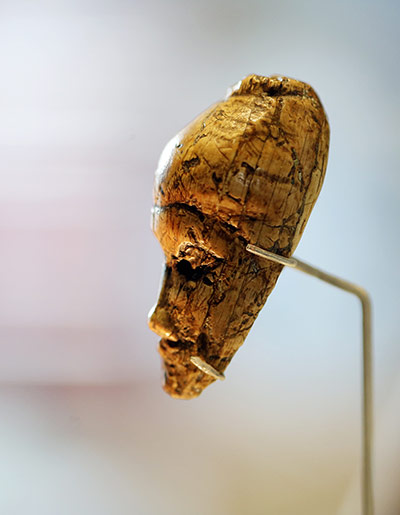
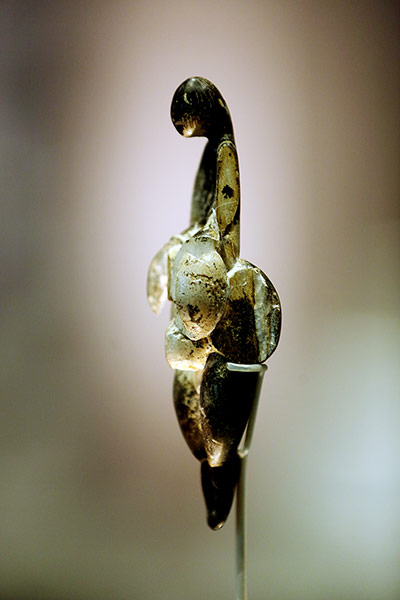
The 'Lion Man' – a 32,000-year-old lion-headed man, carved from a mammoth tusk, from Hohlenstein-Stadel in GermanyPhotograph: Graeme Robertson/GuardianThe oldest known portrait will go on public display for the first time at the exhibition. It is the head of a woman, carved in ivory some 26,000 years ago. It was discovered in the 20s in Dolní Věstonice, a valley in present-day Moravia that was teeming with mammoth and reindeer in the last ice agePhotograph: Graeme Robertson/GuardianA 23,000-year-old abstract figure from Lespugue, France. Picasso was fascinated by it and it influenced his 30s sculptural worksPhotograph: Graeme Robertson/Guardian
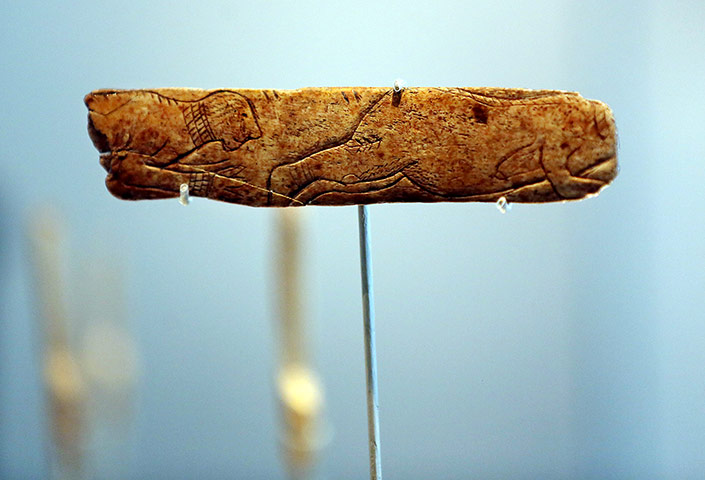
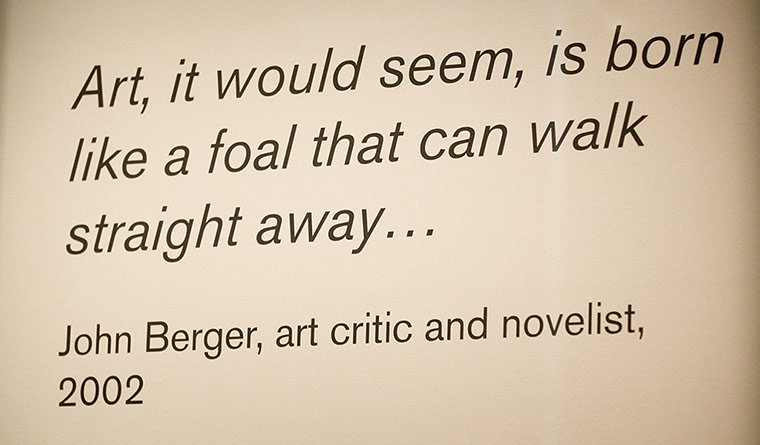
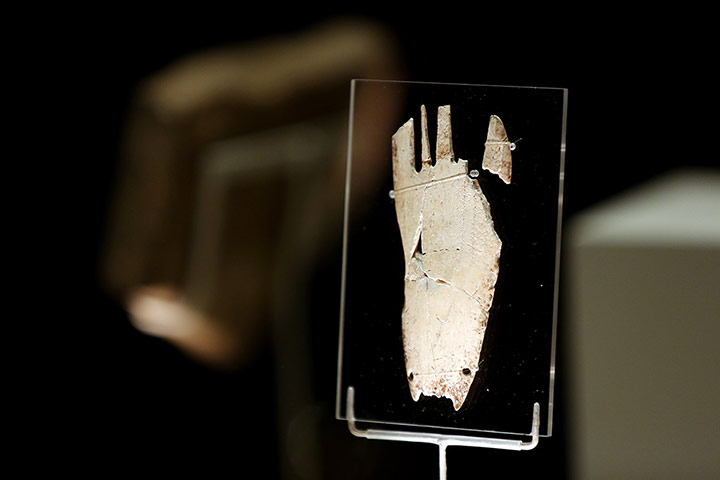
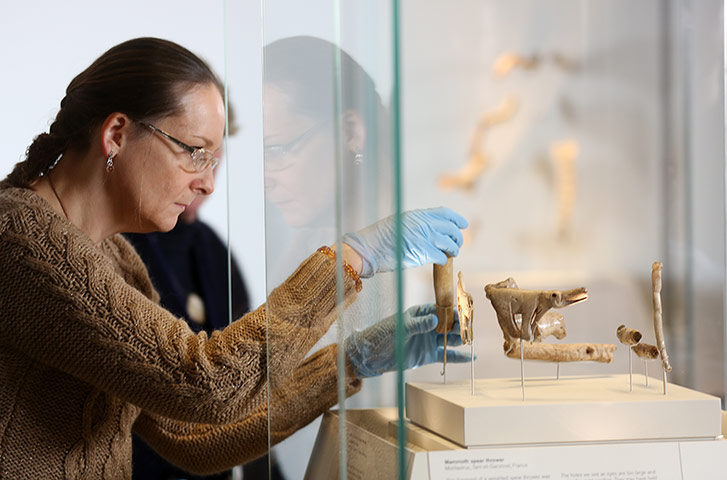
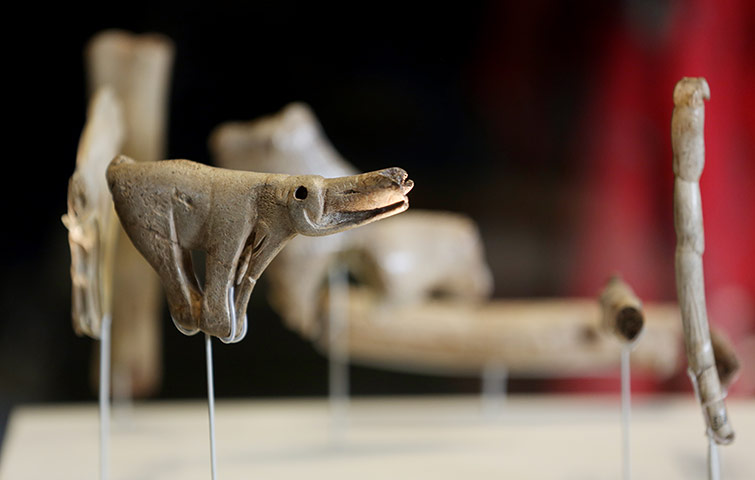
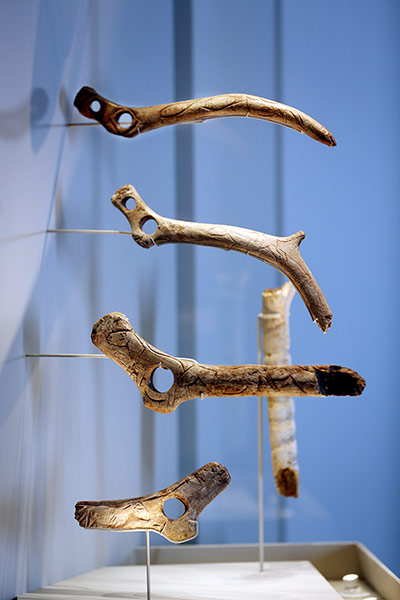
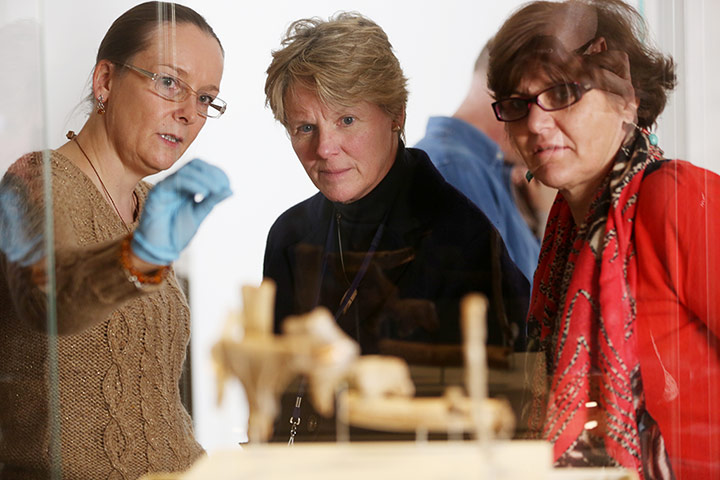
Women and bison etched on a bonePhotograph: Graeme Robertson/GuardianA quote on display by critic John BergerPhotograph: Graeme Robertson/GuardianA unique foot pendant made of mammoth ivory, which may have been used as a talisman against illness and bad luckPhotograph: Graeme Robertson/GuardianHorse head sculpture, carved in ivory, dating from the late Ice Age – approximately 13,000 years agoPhotograph: Graeme Robertson/GuardianThe British Museum team arrange the exhibits in vitrinesPhotograph: Graeme Robertson/GuardianA spear-thrower carved into the shape of a mammoth that was found at Montastruc, in the French department of Tarn-et-GaronnePhotograph: Graeme Robertson/GuardianThe oldest known work of art from Wales: a horse chin decorated with zigzags Photograph: Graeme Robertson/GuardianBritish Museum staff place the exhibitsPhotograph: Graeme Robertson/GuardianPerforated antler batons decorated with drawings, possibly symbols of powerPhotograph: Graeme Robertson/GuardianBritish Museum curator Jill Cook (centre) inspects the displaysPhotograph: Graeme Robertson/GuardianPart of a weapon, made from the upper section of a reindeer antlerPhotograph: Graeme Robertson/Guardian
Sign up to read this article
Read news from 100’s of titles, curated specifically for you.