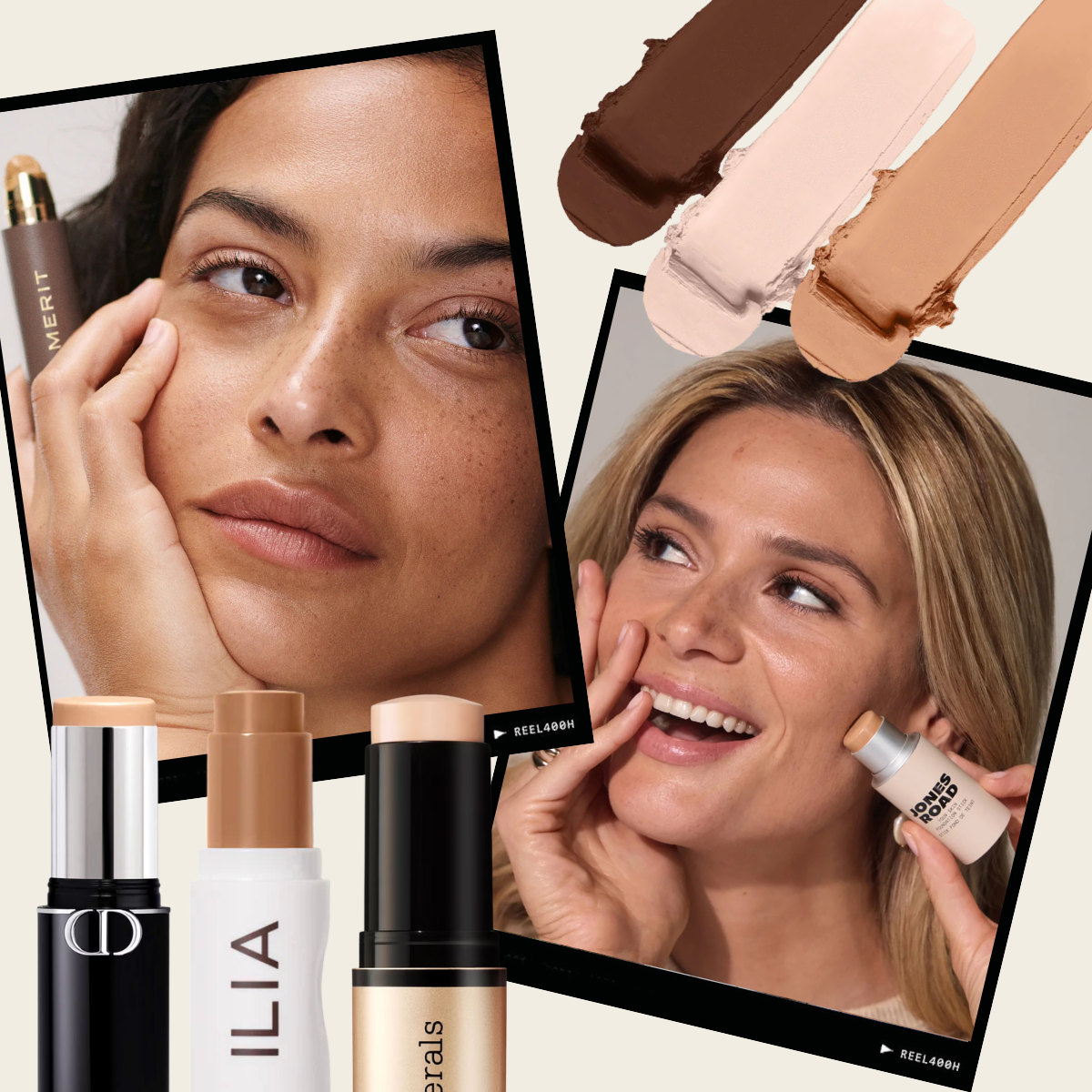
As a beauty editor, I hadn’t ignored foundation sticks so much as mentally categorised them. In my head, they belonged to the old pan-stick school of complexion: full coverage, high pigment, resolutely matte and not especially kind to skin that now prefers hydration over heavy-handed perfection. I’d assumed they would cling, crease and flatten rather than enhance—particularly on mid-life skin.
It turns out, today’s formulas are playing an entirely different game. They are creamier, more flexible, and far more skin-like, delivering the ease and portability of a stick with finishes that rival those of a good liquid. After reluctantly trying one during a rushed morning, I found myself reaching for it again the next day. And then the next.
Why are foundation sticks worth the hype?
Part of the appeal is purely practical. A stick foundation removes a lot of the faff from getting ready. There’s no pump, no palette, no accidental foundation slick leaking inside your makeup bag. I swipe it directly onto skin, blend with fingertips, and I’m done in under two minutes—a detail that matters far more to me these days than a 10-step complexion routine. “Stick foundations are multi-use, quick to apply, great for touch-ups, and lighter to travel with," explains Jamie Coombes, Dior Beauty International Backstage Makeup Artist UK. "Making them a great alternative to fluid foundation.”
But convenience alone wouldn’t have converted me. What surprised me most was how adaptable these formulas have become. Athina Ioannidou, Sephora UK Pro Team Member, agrees. "Modern stick foundations have moved far beyond that perception, becoming less about 'masking' the skin and more about enhancing it."
There has also been a major shift toward hybrid makeup-skincare formulas. "Ingredients such as squalane, hyaluronic acid, and shea butter are now commonly incorporated into stick foundations to improve hydration, wear comfort, and skin compatibility," adds Ioannidou. This means today's formulations melt into skin rather than sitting stubbornly on top of it. The finish feels breathable, the coverage is easy to dial up or down, and most can multitask as a concealer for redness, pigmentation, or the occasional hormonal breakout.
Which skin types can use foundation sticks?
"Foundation sticks are incredibly versatile," says Coombes. So much so that all skin types can benefit from using them. The key, according to Coombes, is choosing the right formulation to benefit and enhance your complexion.
For dry skin, look to creamier, hydrating textures that help prevent clinginess and deliver a smoother complexion. On oily skin, a soft matte or long-wear formula works best. Combination skins should look for satin finishes that will balance both dry and oily areas. On mature skin, Coombes suggests lightweight formulas with minimal powder create a natural effect. And for acne-prone skin, a buildable, non-comedogenic stick allows for precise coverage without excessive overlap.
How to use foundation sticks?
There’s also something brilliant about the control a stick offers. Instead of blanketing the entire face with product, Coombes recommends focusing on specific areas of my face: target the centre of my forehead, nose, cheeks, and chin, then blend outward in circular motions. This more strategic approach allows more of my actual skin to show through. The result is less ‘full face’ and more hyper-real-looking skin.
For a natural, everyday finish, applying the stick foundation with a buffing brush works the best, according to Ioannidou. "A brush like the Sephora Collection Essential N.06 helps distribute product evenly, while maintaining coverage and creating a polished, skin-like effect." This technique, she says, is especially effective for combination or oily skin, as it prevents over-emollient application. For higher coverage and a more seamless result, a damp beauty sponge can be used for application. "Sponges help build the formula slightly and press the product into the skin, giving a more blurred and high coverage appearance," explains Ioannidou.
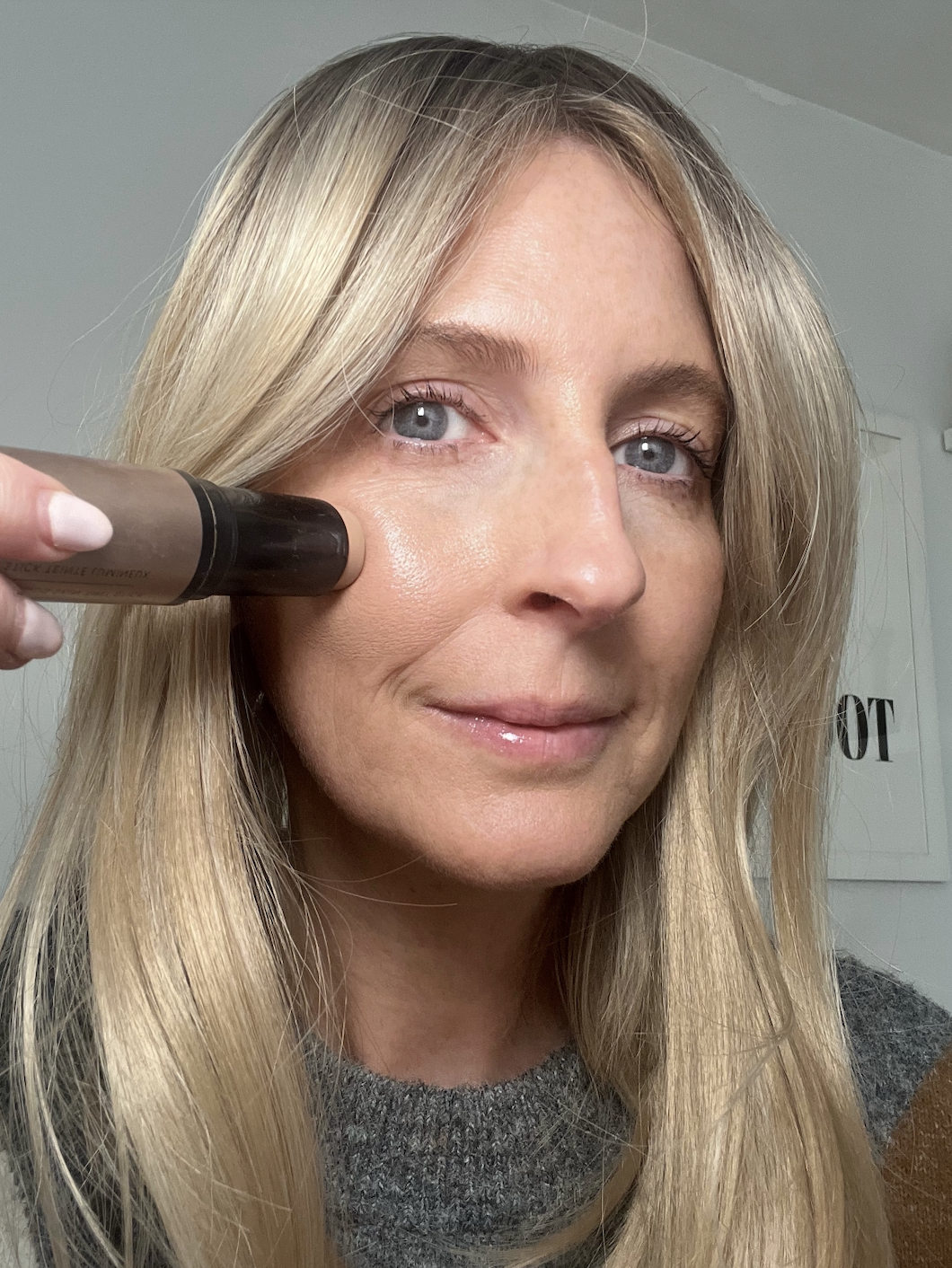
For anyone who wants makeup that works hard without demanding too much time, tools, or precision, foundation sticks are enjoying a deserved renaissance. Consider this my formal apology for underestimating them. I swapped my trusted liquid for a stick—and my overflowing make-up bag, hurried weekday routine and surprisingly convincing complexion are all better for it.
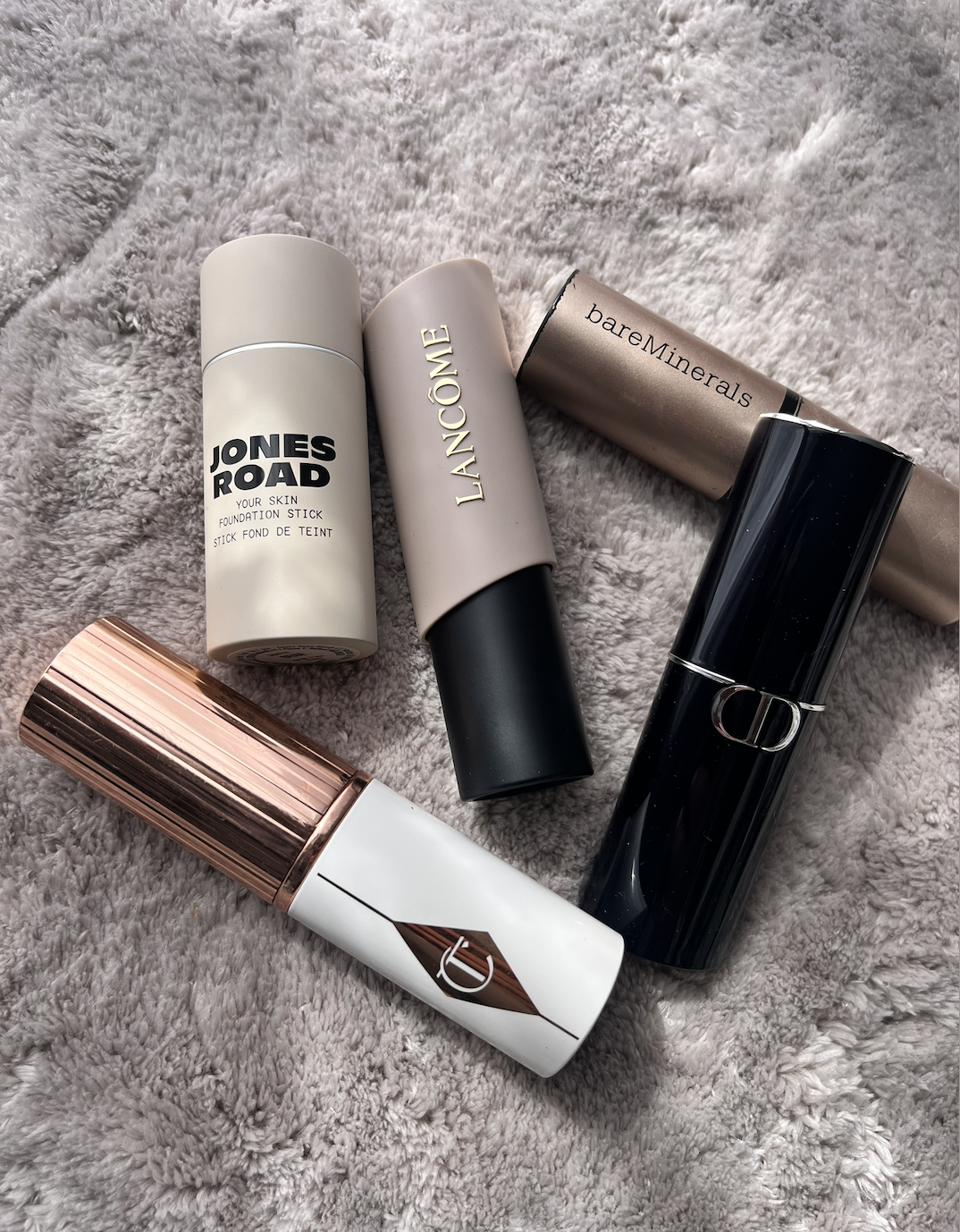
Our favourite foundation sticks
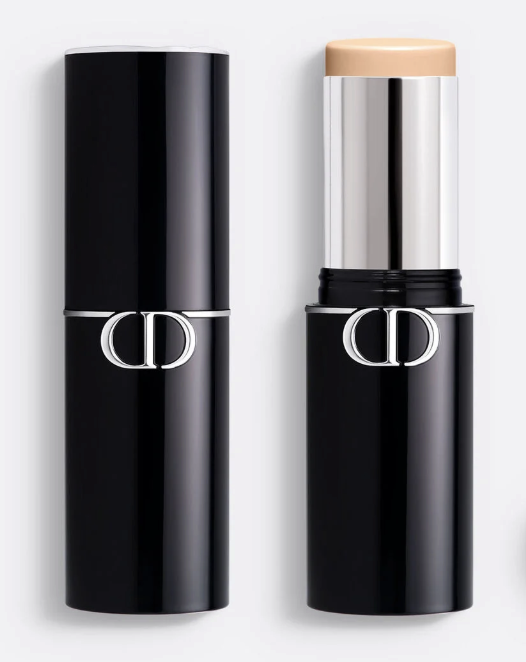
Dior’s stick gets the balance right: enough coverage to smooth and even things out, but never so much that your skin disappears underneath it. It blends unusually well for a stick, leaving behind a soft-focus, natural finish that looks polished rather than obviously 'done'.
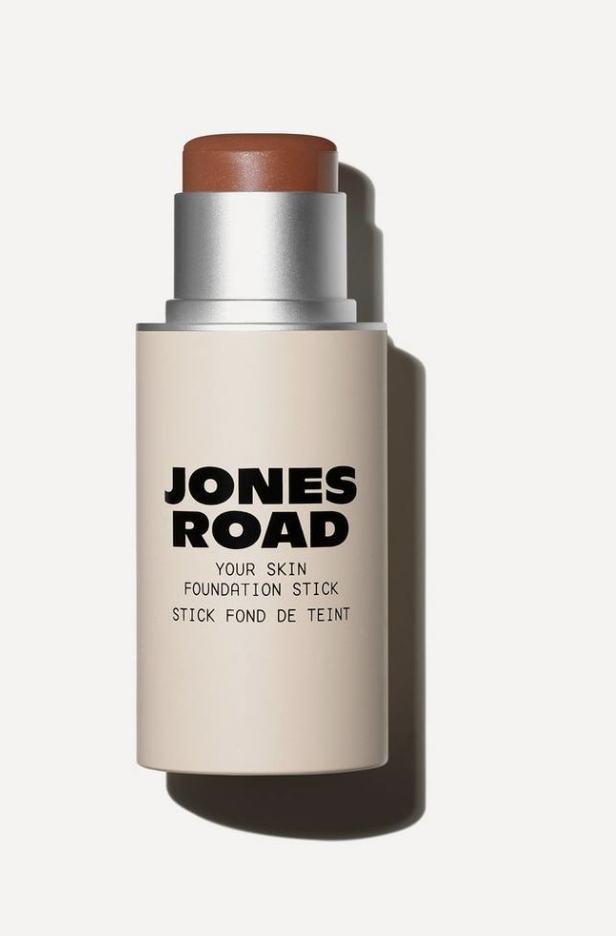
This feels designed with real skin in mind — particularly skin that’s become less tolerant of matte, drying formulas. The finish is creamy, flexible and quietly flattering, with enough coverage to tone down redness and unevenness without veering into mask territory.
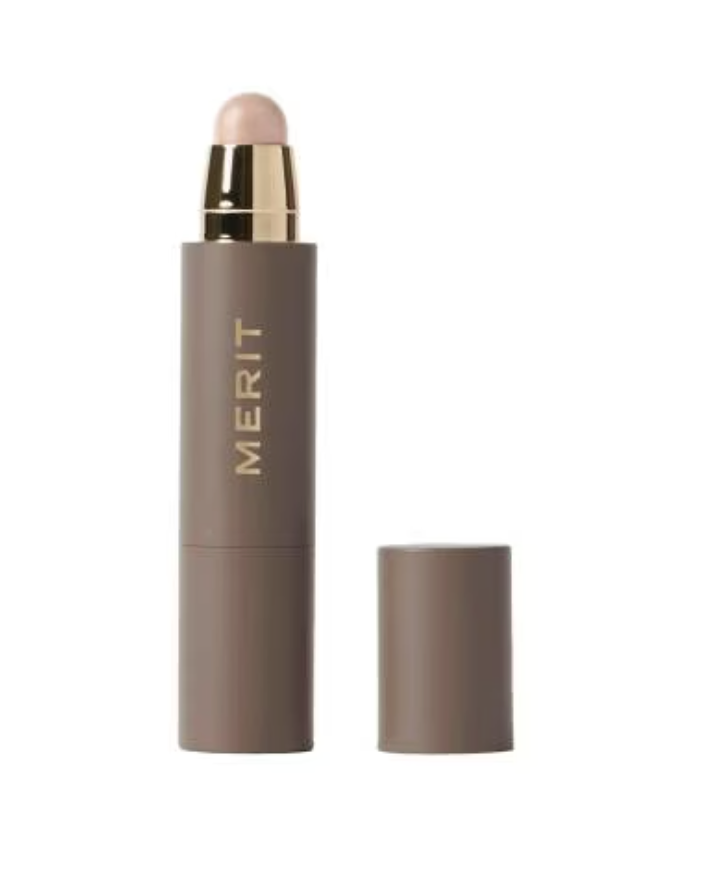
Technically a complexion stick, practically a very convincing argument against over-applying makeup. I use this sparingly — around the nose, chin or anywhere skin is looking slightly unruly. It blends quickly, looks believable and never feels like hard work.
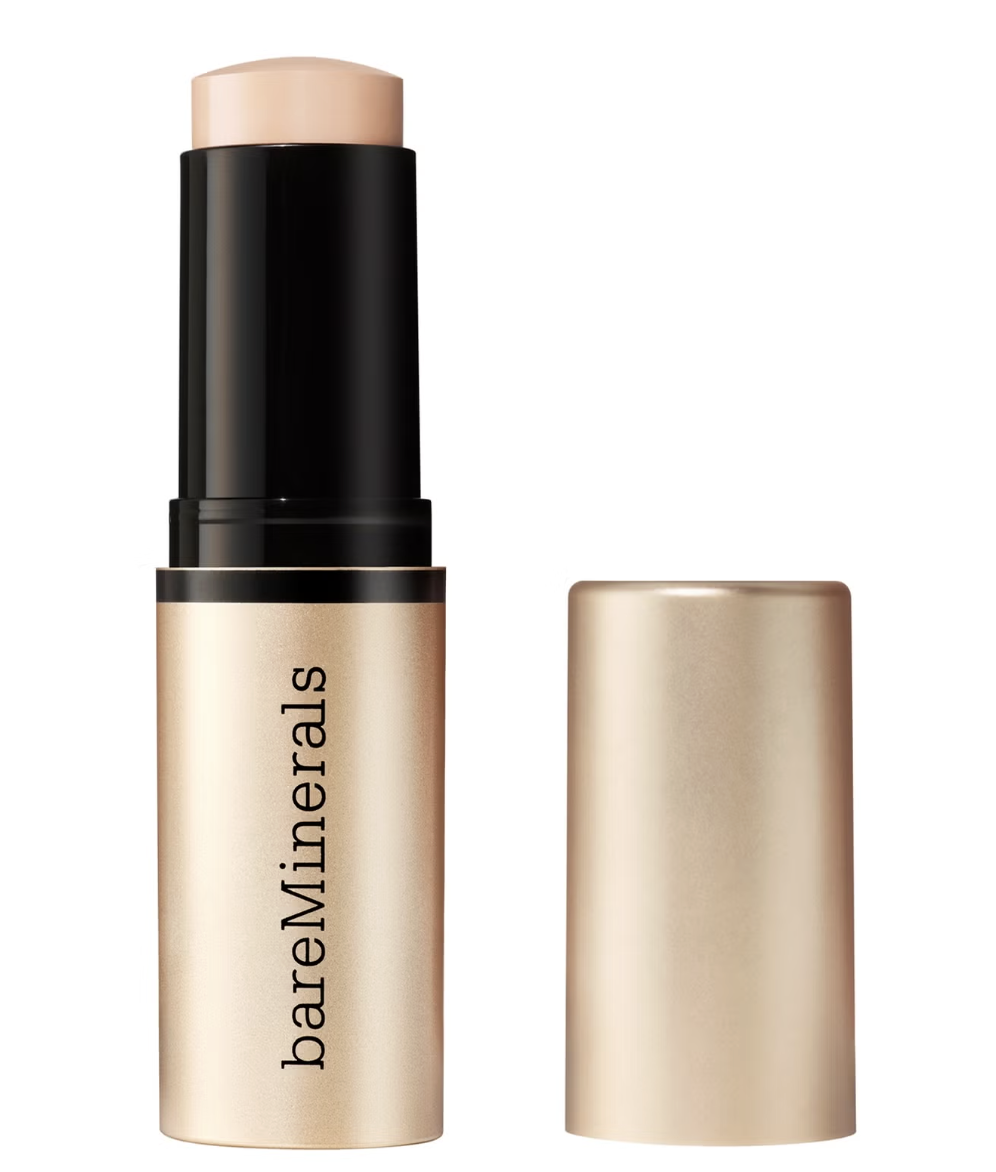
There’s a fine line between luminous and overly enthusiastic shine. This stays on the right side of it. Hydrating and light in texture, it gives skin a fresher, healthier look without becoming slippery, glittery or too much by mid-afternoon.
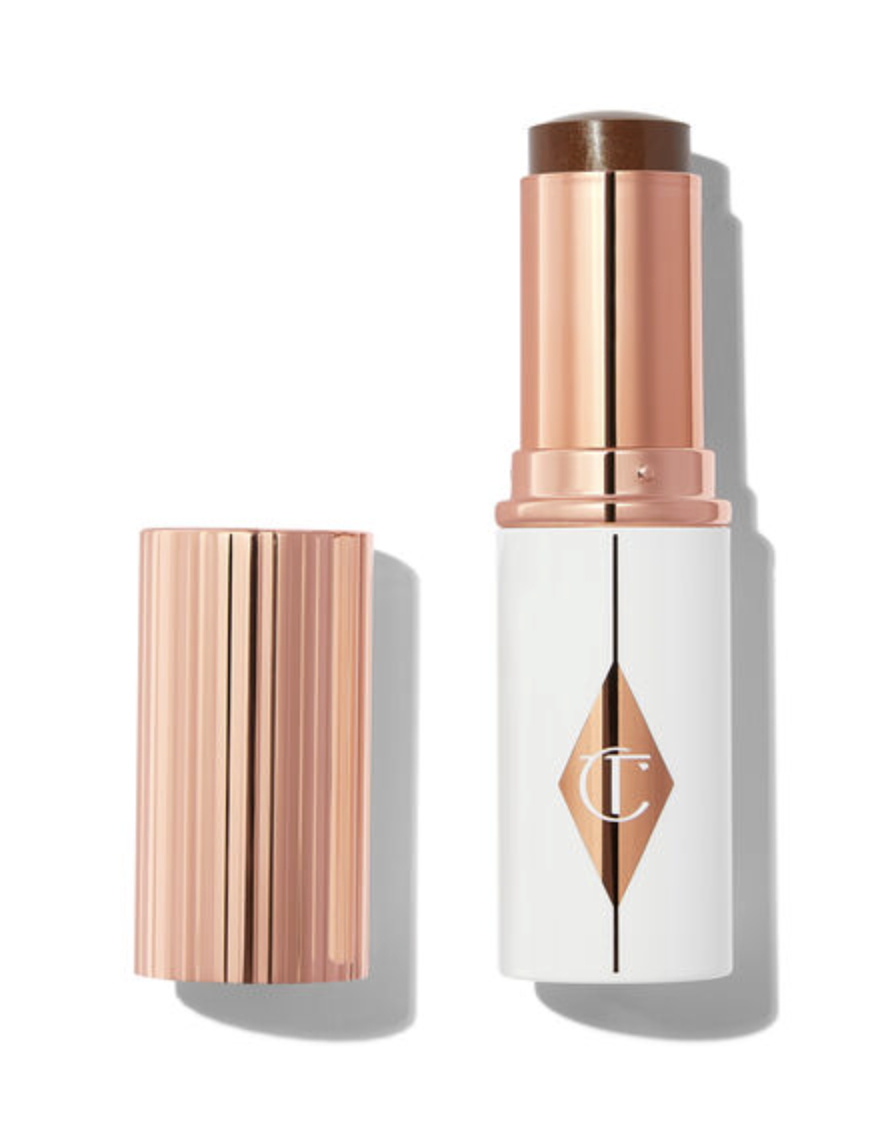
Some mornings, I want something that improves the overall look of my skin without requiring concentration. This does exactly that. Sheer, forgiving and easy to blend, it gives a fresh finish that enhances rather than covers.
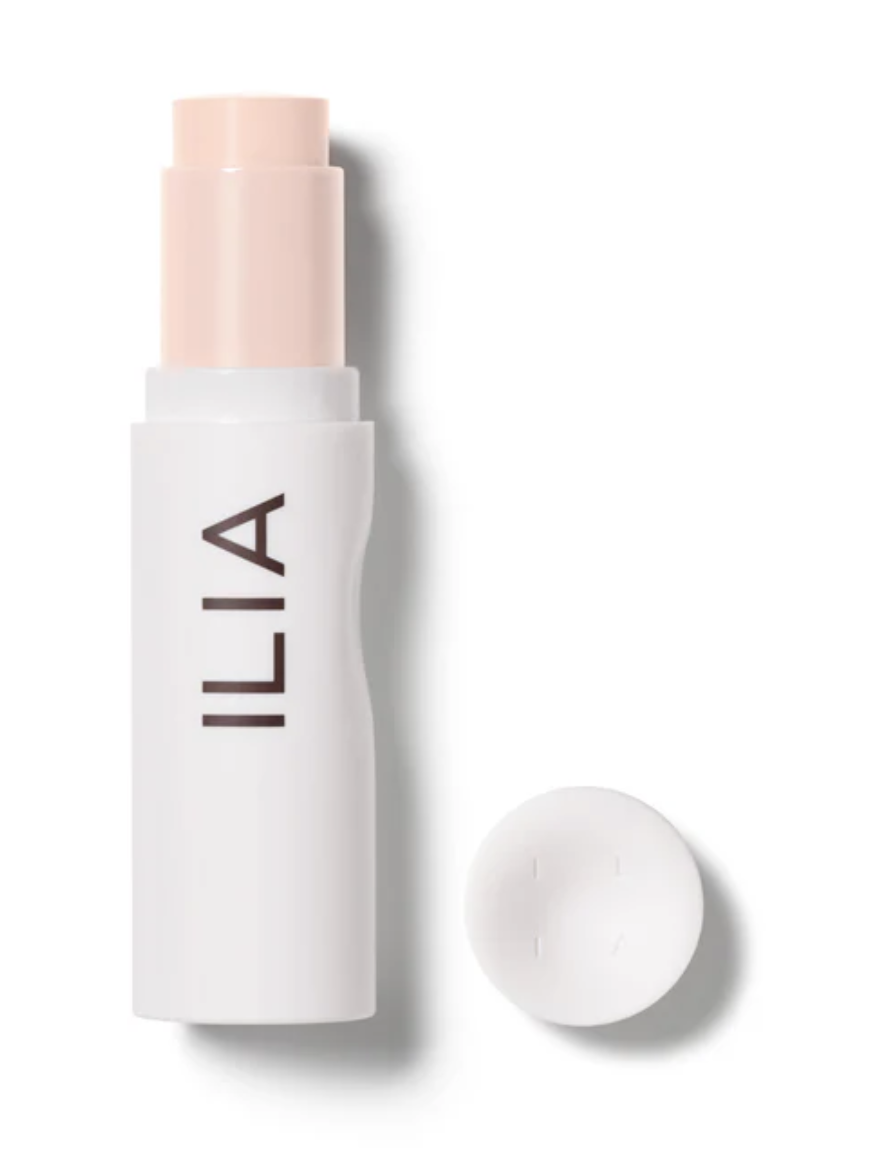
Ilia’s formulas tend to understand that healthy-looking skin isn’t the same thing as perfect-looking skin. This has more substance than some lightweight sticks, but it still keeps complexion looking dimensional, hydrated and convincingly skin-like.
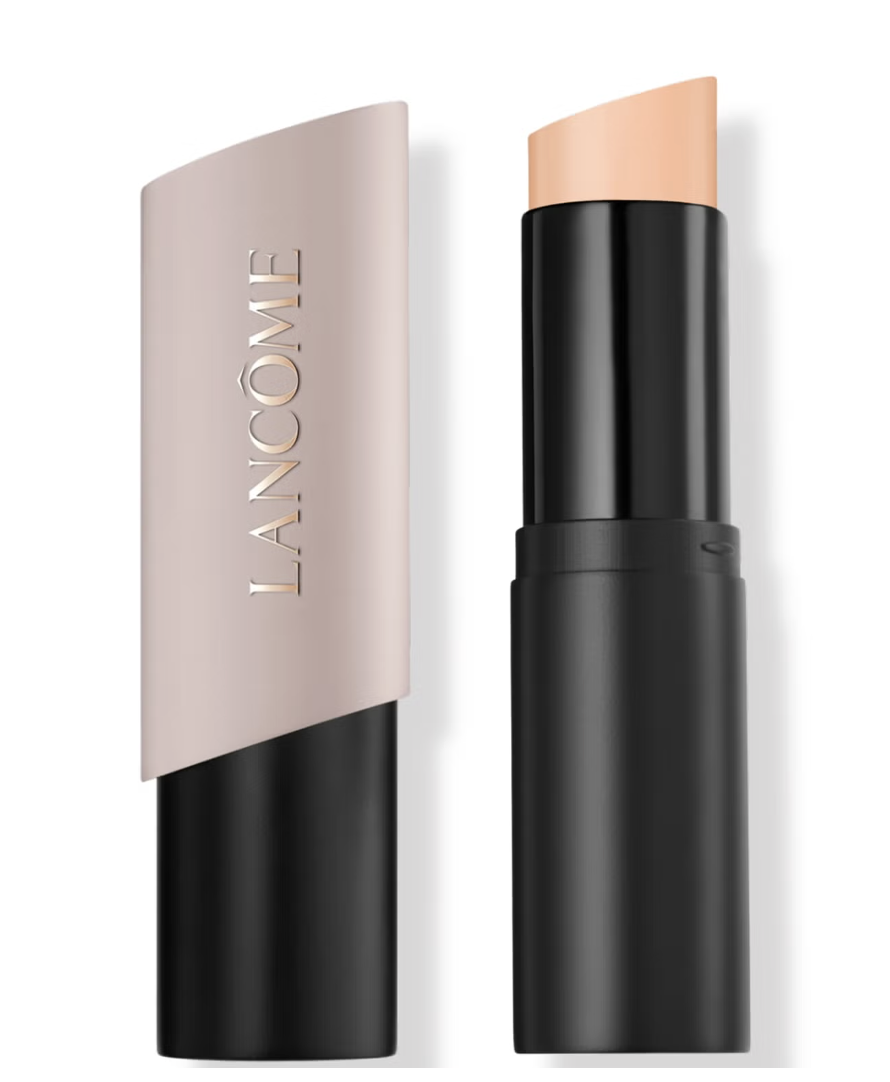
Long-wear formulas can be a gamble on mid-life skin, but this one holds up surprisingly well. The angled shape makes precise application easier than expected, while the soft matte finish delivers coverage and longevity without crossing into dry, overly perfected territory.