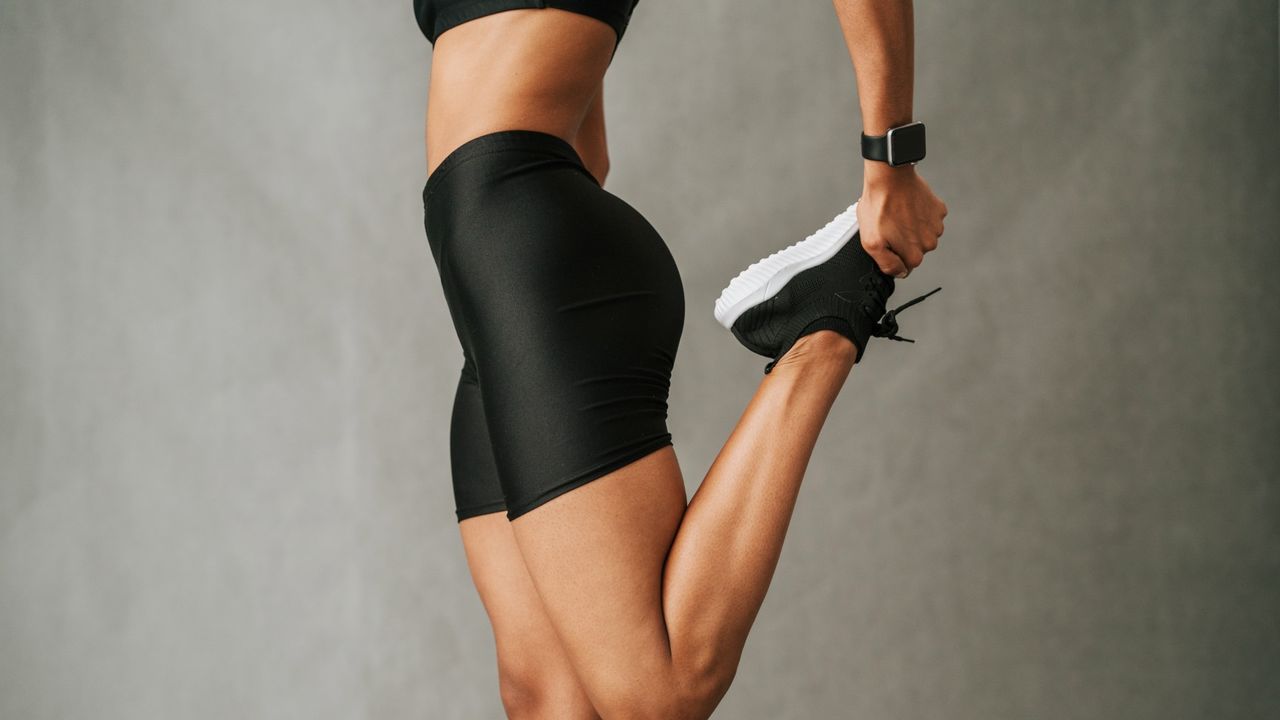
Hip mobility sounds like something you'd focus on in late life, when the stairs are looking a lot more problematic than they once did. But really, the best hip mobility exercises are as much preventative as they are reactive in managing hip health.
Despite it being more difficult to get clients excited about mobility drills than, say, dumbbell workouts or kettlebell conditioning, I will never forgo certain exercises, whether I get a groan in reply or not.
Done right, it can make an enormous difference in people's lives, whether that's during workouts, recovery, or just everyday life. And you don't need 30-minute stints, either; microdosing your routine can still pack in the benefits if you're intentional enough.
The mobility exercise below is one of my anti-aging weapons for helping unstick your hips and get you moving more freely. Plus, it's low-impact and beginner-friendly. You just need one of the best yoga mats to do it. Here's why I swear by it.
How to improve mobility in one move
This exercise alone won't change the world, but combined with a consistent routine including resistance training, gentle movement and some weekly mobility work, it can make a huge difference.
One way to improve mobility naturally is to be intentionally dynamic by moving often and in a variety of patterns, alongside strengthening and loading muscles using resistance. Even if that's adding a few extra walks into your day or having a quick stretch.
The more you get your body moving, the more you load your muscles and bones to withstand impact and more easily maintain the strength and muscle you already have. Being active is also good for maintaining a healthy metabolism; the more lean muscle mass you have, especially as you get older, the more energy you can expect to burn during the day.
Your joints, ligaments and fascia respond well to low-impact movement, which can be achieved through a challenging yet consistent mobility routine.
Your joints, ligaments and fascia respond well to low-impact movement, which can be achieved through a challenging yet consistent mobility routine.
If you experience pain at any time, stop and rest. If you're working with an injury or health condition, or you're currently pregnant or postnatal, I recommend seeking advice before starting.
The routine: 3-4 sets, 8-10 reps per side.
A post shared by Tom's Guide Fitness (@tomsguidefitness)
A photo posted by on
What are the benefits?
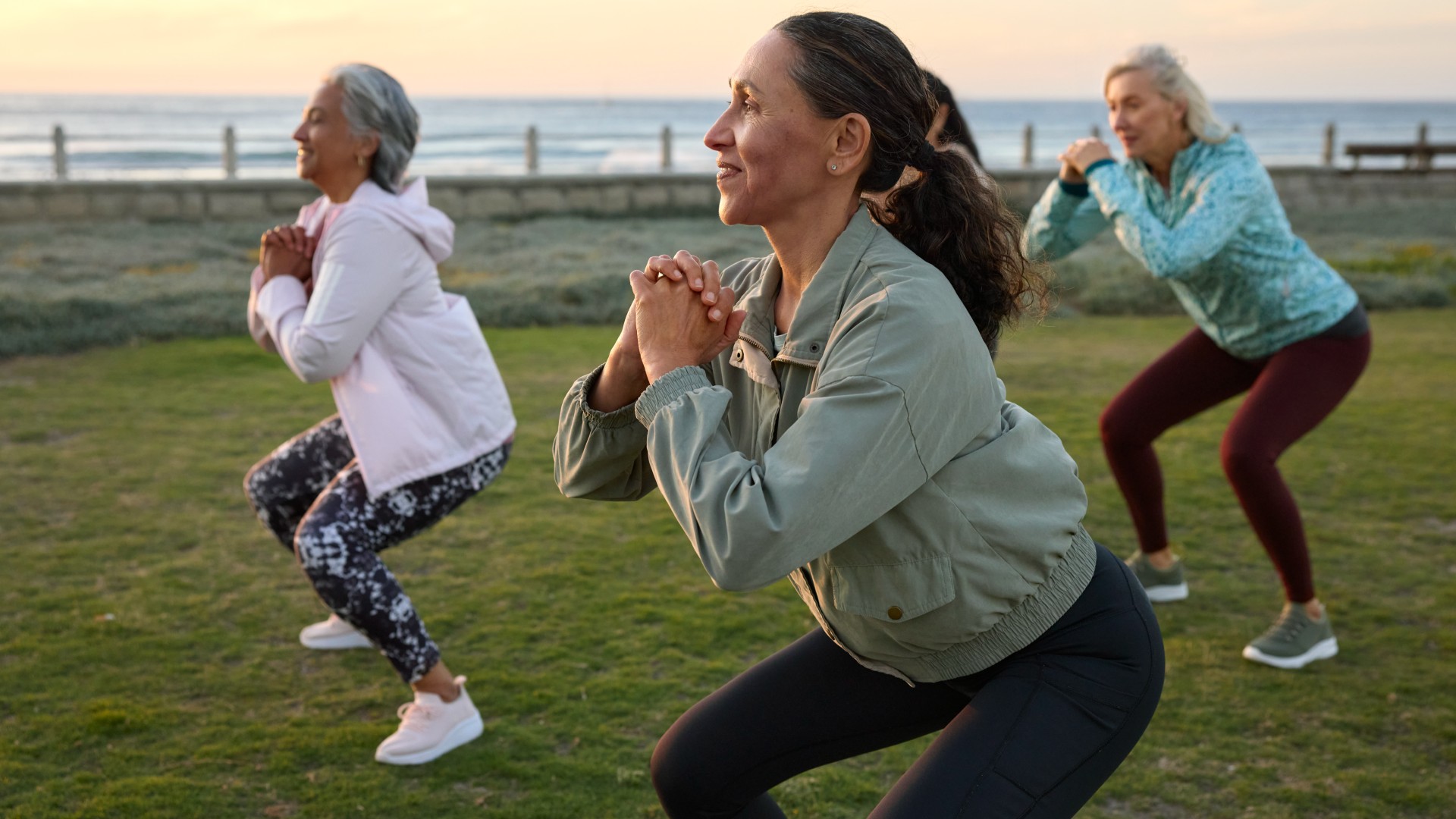
Depending on ability, programs and individual preferences, I might consider weights, bands, or adjustments to reps and sets, but the basis of the exercise stays the same.
Here are some benefits:
- Stretches the hips and groin: The low side lunge position naturally opens the hip and stretches along the adductors (inner thighs) and groin. When the toes are pointed forward, the focus moves to the inner thigh; when the toes point upward, the hamstrings get more of a deep stretch. This is brilliant if you sit for long periods or tend to seize up.
- Helpful for back pain: While I cannot diagnose or treat back pain like a physio or physical therapist can, this is one of those exercises that many people find help manage and relieve back pain. Focus on keeping a tall spine and avoid hunching. I strongly advise sitting on a yoga brick at all times for support. If you are working with a back condition, speak with a medical professional first.
- Works the hips in two directions: As you draw your toes up, you rotate the hip outward; you'll do the opposite as you draw your toes forward. This rotation is brilliant lubrication for the pelvis, especially if you experience a lot of lower-body tightness. Essentially, you combine movement with stretching, which I personally find helpful for unsticking "desk hips."
- Effective as a warm-up: Finally, this exercise works well for warm-ups, especially if you plan to do squat-heavy leg programs or running. You might choose to reduce the reps and/or sets if you're about to begin weightlifting and combine with a few other moves as well.
Before you consider adding weight, focus on sitting as low as you can and moving with a full range of motion in both directions. I recommend starting seated on a chair with one leg out to the side, then progressing to sitting on a tall book or similar. Eventually, you might reduce the height setting, or you might take away all support.
Control each of these movements and make the most of them, even if that means reducing the sets or reps or adding more rest. Moving to your end range can be uncomfortable, but you shouldn't experience any sharp pain or pinching.
Find length through your spine and draw your shoulders down away from your ears. But most importantly of all, be patient; the benefits may not appear straight away, but they're coming.
Follow Tom's Guide fitness on Instagram for more workouts, routines, tips, and tricks.
More from Tom's Guide
- I’m a personal trainer: These 4 essential exercises are 'liquid gold' if you sit at a desk all day
- I'm a personal trainer who works with clients over 50 — these are the 3 mobility exercises I never skip
- I teach people over 50 to be mobile: 3 low-impact moves that build more stability than a 30-minute walk