
Whether you’re feeling rushed, missing important tax documents or having trouble calculating exact numbers, using estimates or rounded numbers on your tax return can be tempting.
While it might not seem like a big deal, this practice can not only work against your goal of minimizing your tax bill but can also get you in trouble with the IRS.
According to Rachel Richards, certified public accountant (CPA) and head of tax at the tax company Gelt, here’s why “close enough” tax math can cost you.
For You: IRS Federal Income Tax Brackets: How They Work and What They Mean in 2026
Trending Now: 5 Low-Effort Ways To Make Passive Income (You Can Start This Week)
Surprise Costs
“If you estimate numbers on your tax return that are actually reported to the IRS on formal tax documents like 1099s, W-2s or brokerage statements, it’s almost guaranteed that you will receive a tax notice letting you know about the discrepancy and probably asking for an additional payment,” Richards said.
That unpleasant surprise tax bill may not only include unpaid taxes but also a 20% accuracy penalty and interest related to the shortage, per the IRS. While the IRS noted that it offers penalty relief in some situations, knowingly providing incorrect numbers likely won’t qualify you for it.
Additionally, Richards noted that even small differences in calculations can have a major impact on your tax bill, especially when your earnings end up higher. If you guess numbers, you might find yourself in a higher tax bracket, ineligible for certain deductions or liable for the net investment income tax.
See Next: I’m an Accountant: 6 ‘Big Beautiful Bill’ Tax Changes That Will Benefit the Middle Class
Audit Headaches
According to Richards, the IRS has precise automated systems that detect tax return inconsistencies. “[For example,] large, round expense categories or high charitable contributions that don’t align with your income level,” she added. They can also spot missing or contradictory information from official tax documents, such as W-2 and 1099 forms.
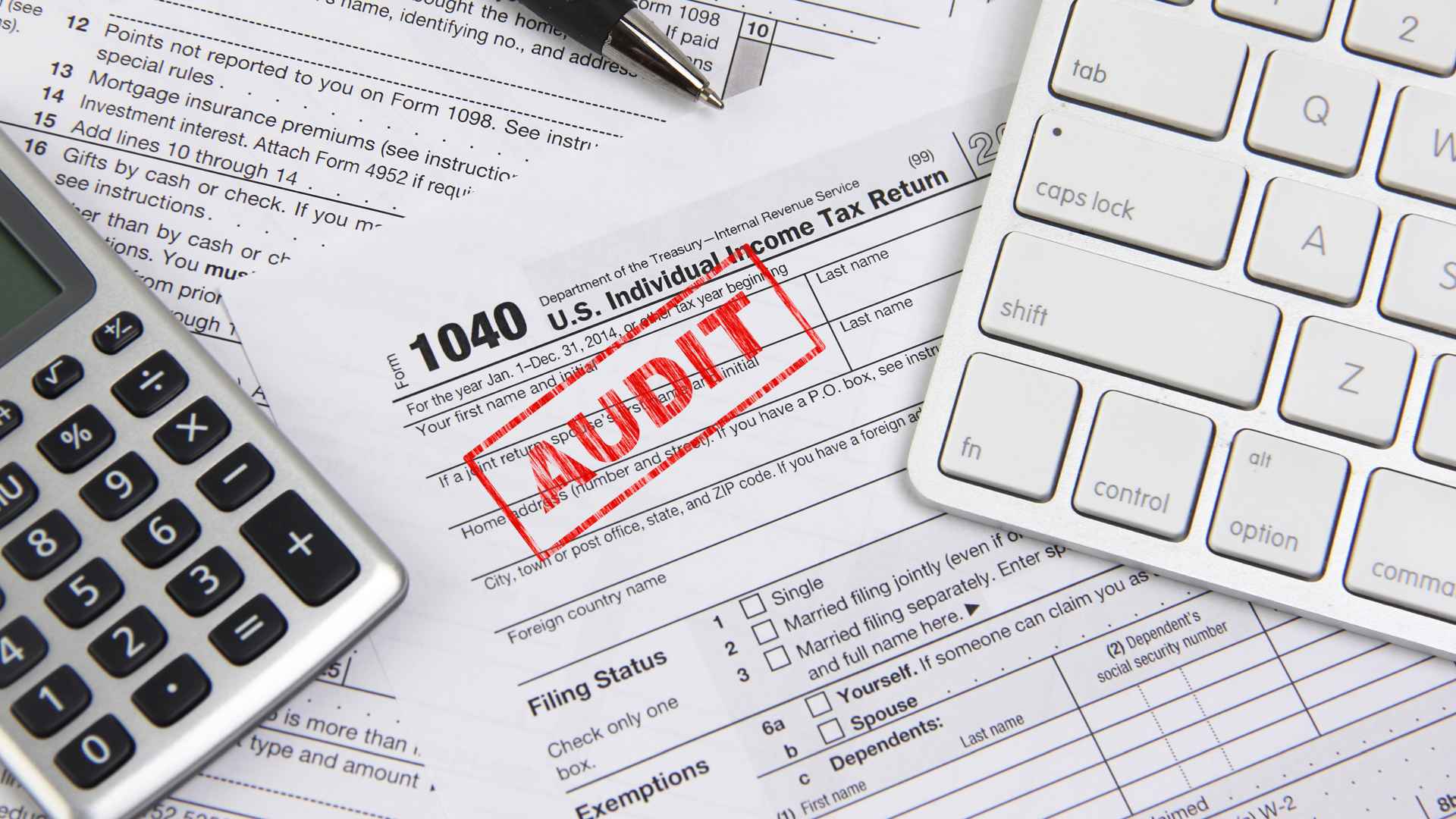
When inaccurate numbers trigger an audit, the IRS puts the burden of proof on you, who might find yourself paying a tax professional for help. Plus, the financial outcome depends on whether you can verify your income, expenses and other figures that raised the red flags.
“If you’re audited and have proper documentation for your deductions, it’s a disagreement among friends — but if you don’t have any documentation to back up your claims, the IRS may give you a tax bill,” Richards said.
Missed Savings Opportunities
Even if your “close enough” tax math doesn’t land you in trouble with the IRS, it can still make you pay more than you have to. That’s not only true when you file your return but also when you make planning decisions throughout the year.
“Tax strategy depends on precision, so without exact numbers, you can’t confidently maximize Roth conversions, harvest capital gains at optimal rates, optimize the 20% QBI (qualified business income) deduction, time income recognition across years or fully utilize your tax bracket,” Richards said.
Especially if you have a complex tax situation or want to maximize your savings, working with a CPA takes away the guesswork and can make tax season less emotionally and financially stressful.
More From GoBankingRates
- 5 Tax Loopholes the Ultra-Wealthy Use That Most Americans Don't Know About
- I'm an Accountant: 6 'Big Beautiful Bill' Tax Changes That Will Benefit the Middle Class
- 6 Safe Accounts Proven to Grow Your Money Up to 13x Faster
- How Far $750K Plus Social Security Goes in Retirement in Every US Region
This article originally appeared on GOBankingRates.com: I’m a CPA: Here’s Why ‘Close Enough’ Tax Math Can Cost You